Quick Guide
Let's be honest. For most people, the words "Black Rock Desert" instantly conjure up one image: Burning Man. That wild, temporary city of art and chaos that pops up for one week a year. And look, that's a huge part of its story—a massive, dusty, glitter-covered part. But if you think that's all there is to this place, you're missing out on one of the most starkly beautiful and geologically fascinating corners of America.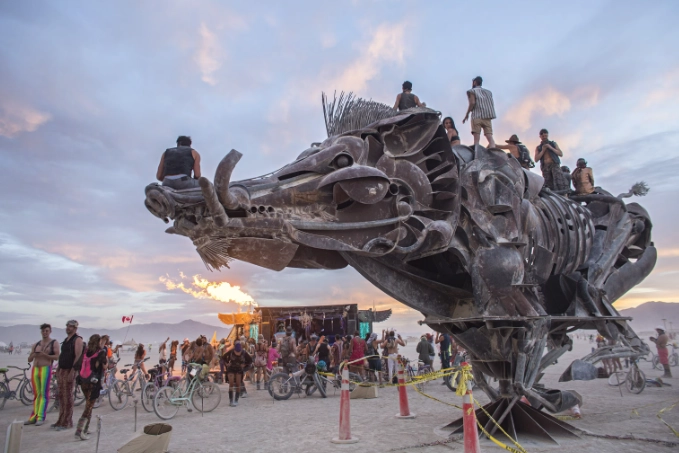
I drove out there for the first time outside of the Burn, and the silence hit me like a physical thing. It was almost unsettling. No thumping bass, no neon, just miles and miles of perfectly flat, cracked white earth stretching to distant mountains. It felt ancient, and lonely in a way that was deeply impressive. This isn't just a venue. It's a character itself.
So, what is the Black Rock Desert, really? It's a vast, remote playa—a dry lake bed—in northwestern Nevada. When we talk about the Black Rock Desert, we're often referring to the Black Rock Playa itself, the main event, which is about 100 miles north of Reno. This is the canvas. But the wider region, the Black Rock Desert-High Rock Canyon Emigrant Trails National Conservation Area managed by the Bureau of Land Management (BLM), is a sprawling 1.2 million acres of canyons, hot springs, and history.
The Lay of the Land: Geology and Climate of the Playa
To understand why the Black Rock Desert is so unique, you gotta start with the dirt under your feet. Or rather, the lack of it.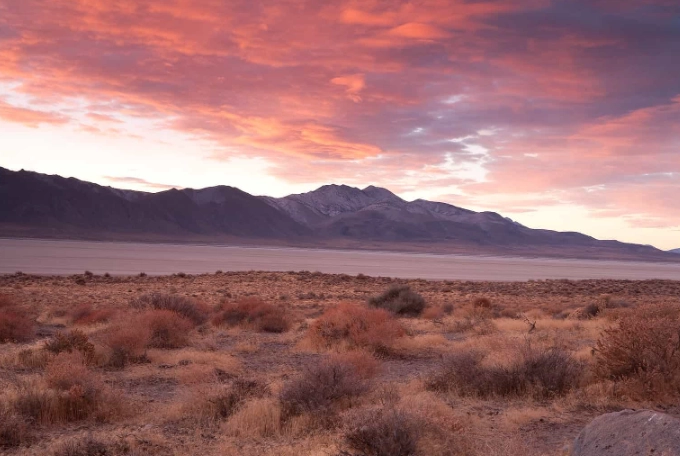
It's All About the Playa
The centerpiece is the playa. This giant flat area was once the bed of ancient Lake Lahontan, a massive ice-age lake that covered much of Nevada. When the climate dried up, the lake retreated, leaving behind this immense basin of fine sediment. Over millennia, wind and occasional water have smoothed it into that famous flatness. The surface is primarily clay, silt, and mineral salts. Walking on it when it's dry feels like walking on a giant, slightly crumbly sidewalk. When it's wet? Forget it. Your shoes will gain 10 pounds in 10 seconds.
The "Black Rock" itself is a solitary volcanic rock formation on the eastern edge of the playa, which gave the whole area its name. It's a landmark for travelers, past and present.
A Climate of Extremes
This isn't a gentle environment. The Black Rock Desert climate will test you. Summers are brutally hot and dry. I'm talking 100°F (38°C) plus, with relentless sun and zero shade. The UV index is off the charts. Winters are cold and windy, with temperatures often dipping below freezing. Spring and fall offer the most temperate conditions, but the wind is a constant companion, sculpting the dust into mini-whirlwinds across the playa.
The wind is a key player. It's what keeps the surface relatively free of debris and shapes the famous "playa texture"—those intricate patterns of cracks. It also means dust gets everywhere. If you have a camera, protect it. If you have lungs, well, you'll get used to it.
Life Finds a Way
It looks barren, but it's not dead. The Black Rock Desert ecosystem is specialized and fragile. After rare rains, ephemeral pools can form, bringing to life crustaceans like fairy shrimp. Hardy plants like greasewood and iodine bush cling to the edges. You might see pronghorn antelope in the distance, or hawks circling overhead. The key is to tread lightly—the biological soil crust (that dark, crumbly layer on the edges) takes decades to form and is easily destroyed by a single tire track or footprint.
This delicate balance is why the "Leave No Trace" ethos, championed by Burning Man but crucial for all visitors, is non-negotiable here.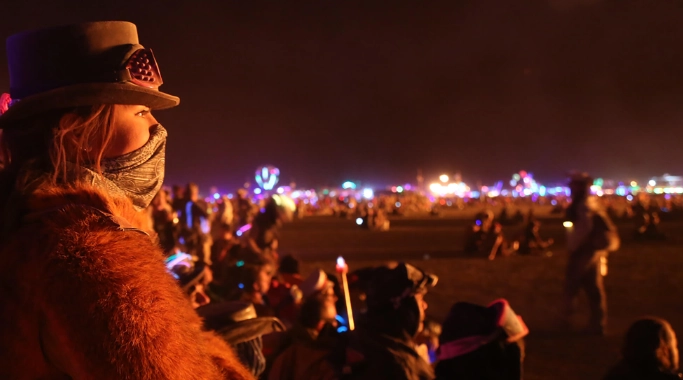
A Layer Cake of History: From Trails to Temporary Cities
The history of the Black Rock Desert is written in wagon ruts, pioneer names, and more recently, art car tracks.
The Original Inhabitants and the Emigrant Trails
Long before Instagram influencers in fur coats, the Northern Paiute people lived in and around this region, following seasonal resources. Then came the 19th-century emigrants. The Black Rock Desert served as a daunting stretch of the California Trail. Imagine crossing this vast, waterless plain in a covered wagon. The desperation is palpable at places like the "Giant's Grave," a hill covered in pioneer graffiti. You can still see the ruts of their wagons in certain areas, a haunting reminder of that brutal journey. The BLM conservation area is specifically named to protect these historic trail corridors.
Burning Man: How a Beach Party Moved to the Desert
Now for the elephant in the room—or the giant wooden man on the playa. Burning Man's origin story is well-known: started on a San Francisco beach in 1986, it moved to the Black Rock Desert in 1990. Founders Larry Harvey and Jerry James were looking for a place remote enough, vast enough, and legally permissive enough to build their experiment in radical self-expression and community.
The Black Rock Desert was the answer. The BLM permits the event, and it has grown from a few hundred people to a temporary city of nearly 80,000. The event's principles, like radical self-reliance, are directly born from the harsh demands of the environment. You can't be a passive consumer out there. You have to bring your own water, shelter, and food. The playa provides nothing but space and challenge.
Frankly, the event has gotten so big and commercial around the edges that it sometimes feels like it's straining against its own ideals. But the core magic—that feeling of collective creation in absolute emptiness—is still tied intrinsically to the location. You can't replicate that anywhere else.
What Can You Actually Do Out There? (Besides Burn Things)
Okay, so you're not going to Burning Man. Is there any other reason to visit the Black Rock Desert? Absolutely. The playa and the surrounding area are a year-round playground for specific types of adventure.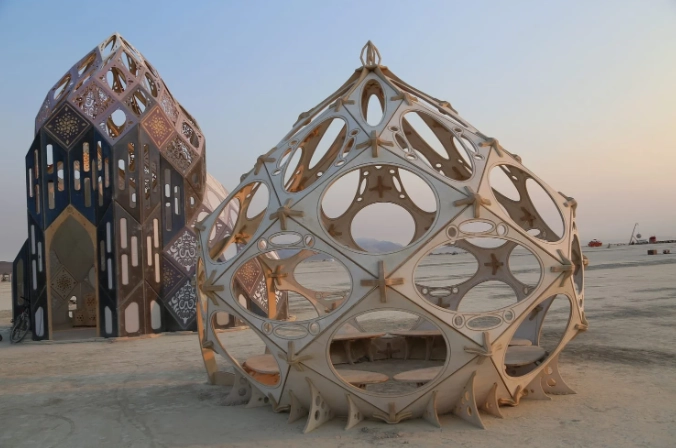
Land Speed Racing: Going Very, Very Fast on a Very, Very Flat Surface
That perfect flatness makes the Black Rock Desert playa one of the premier places on the planet for attempting land speed records. It's where teams like the North American Eagle Project have tested supersonic cars. Events are held periodically, where you might see streamliners, motorcycles, and all sorts of odd vehicles screaming across the horizon. The silence makes the roar of an engine even more dramatic.
Camping Under Infinite Stars
Dispersed camping is allowed on most of the public lands here. This isn't campground camping. There are no facilities—no water, no toilets, no fire rings. You find a spot (following BLM guidelines, staying away from wet areas and historical sites), and you set up. The solitude is profound. At night, with minimal light pollution, the Milky Way is a bright smear across the sky. It's some of the best stargazing in the lower 48.
Hot Springs and Geothermal Curiosities
The region is volcanically active. This means hot springs. Places like the Black Rock Hot Springs (also known as the "Hot Springs" or "Double Hot") are popular soak spots. They're primitive—just natural pools—and clothing is often optional, so be prepared. The water is hot, mineral-rich, and sitting in it while looking out at the cold desert is a surreal experience.
There's also the geothermal power plant near the playa's edge, a reminder that this harsh landscape holds significant renewable energy potential.
Hiking and Exploring the Outskirts
The playa itself is for walking or driving, but the edges of the Black Rock Desert are where you hike. The High Rock Canyon area to the north offers stunning canyon scenery, wildlife viewing, and more pioneer history. The Calico Mountains frame the west side. It's rugged, remote country where you need good maps, plenty of water, and a high-clearance vehicle just to reach the trailheads.
Your Practical Guide to Not Getting Stuck (or in Trouble)
Visiting the Black Rock Desert requires planning. This isn't a spontaneous picnic destination.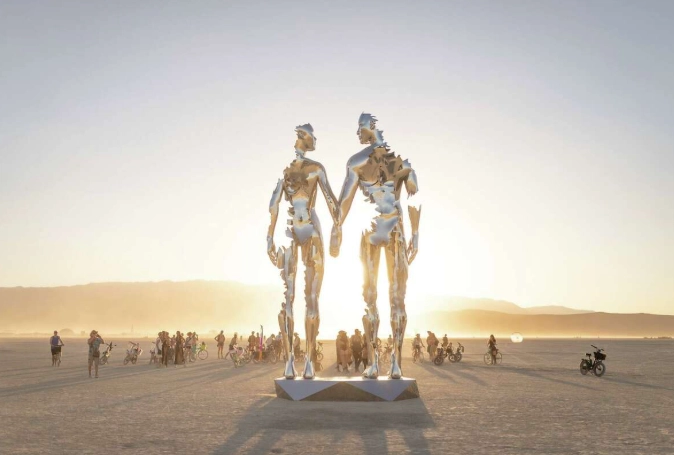
When to Go
Late spring (May-June) and early fall (September-October) are generally the best times. Summer is punishingly hot. Winter can be beautiful but bitterly cold and access roads may be muddy or snow-covered. Always, and I can't stress this enough, check the BLM site for current conditions and alerts.
The Sacred Art of Playa Driving
Driving on the Black Rock Desert playa is a privilege, not a right. Do it wrong, and you can cause long-term damage or get catastrophically stuck.
| Do's | Don'ts |
|---|---|
| Check conditions FIRST. Call the BLM or check their website. If it's closed, don't go. | Never drive on a wet or damp playa. Your tracks will last for years and you WILL get stuck. |
| Air down your tires. Lowering tire pressure to 15-20 PSI gives you a much larger footprint and prevents digging in. | Don't drive fast or make sharp turns. This digs up the surface and creates "playa pucks"—hard chunks of dried mud thrown from your tires. |
| Stay on established tracks when possible to minimize impact. | Avoid driving on the vegetated edges. You'll destroy fragile soil crust. |
| Bring recovery gear: a shovel, tow straps, jack boards, and a full-size spare tire. | Don't go alone. Have at least one other vehicle with you for safety. |
What to Pack: The Non-Negotiables
Forget the fancy stuff. Pack for survival and low impact.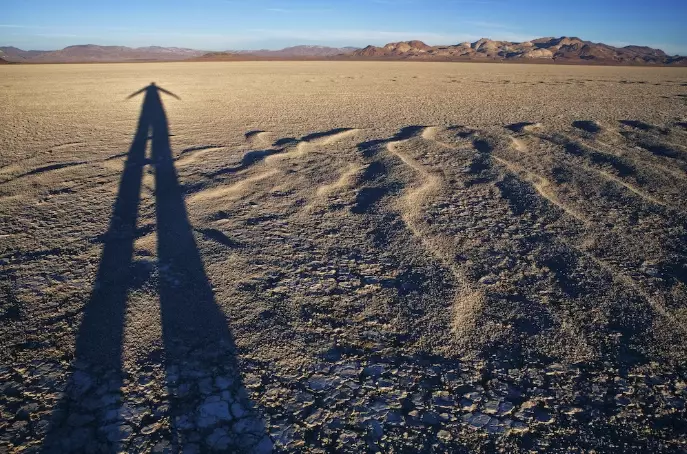
- Water: At least 2 gallons per person, per day. More in summer.
- Food & Shelter: Everything you need to be self-sufficient.
- Navigation: Paper maps (GPS can fail) and a compass. Cell service is non-existent on most of the playa.
- First Aid Kit: A good one, with supplies for cuts, burns, and dehydration.
- Waste Management: You must pack out ALL trash, including human waste. This is a BLM requirement. Use a portable toilet system or WAG bags.
- Warm Layers: Temperatures swing wildly from day to night, even in summer.
- Sun Protection: Hat, sunglasses, long sleeves, and serious sunscreen.
Common Questions About the Black Rock Desert (Answered)
The Black Rock Desert demands respect. It doesn't care about your plans, your Instagram feed, or your comfort. But if you approach it with the right preparation and humility, it offers an experience of scale and silence that's increasingly rare in our world.
It's a place that reminds you of your own smallness in the best way possible. You leave the dust behind, but the feeling of that immense, quiet space stays with you. Whether you're chasing speed records, soaking in a hot spring, or just sitting in a camp chair watching the stars wheel overhead, the true magic of the Black Rock Desert is the desert itself.
Reader Comments