Let's get one thing straight. Mammoth Terraces in California aren't some fossilized relic from the age of woolly giants. That's the first misconception I had to unlearn. What you're actually looking at is one of the most dynamic, alive landscapes in North America. It's a hillside that's literally being built and rebuilt every day by hot water seeping from the earth, depositing mineral-laden travertine in cascading steps and pools. The scale is humbling. The colors—from stark white to rusty orange—are surreal. And the fact that you can walk right up to it on a boardwalk still feels like a privilege.
I've lost count of how many times I've visited. Each season paints it differently. Each visit reveals a new detail: a tiny pool I hadn't noticed, a change in the flow of a spring. This guide isn't just a list of facts. It's the culmination of those trips, packed with the practical stuff you need to plan your visit and the deeper context to truly appreciate what you're seeing.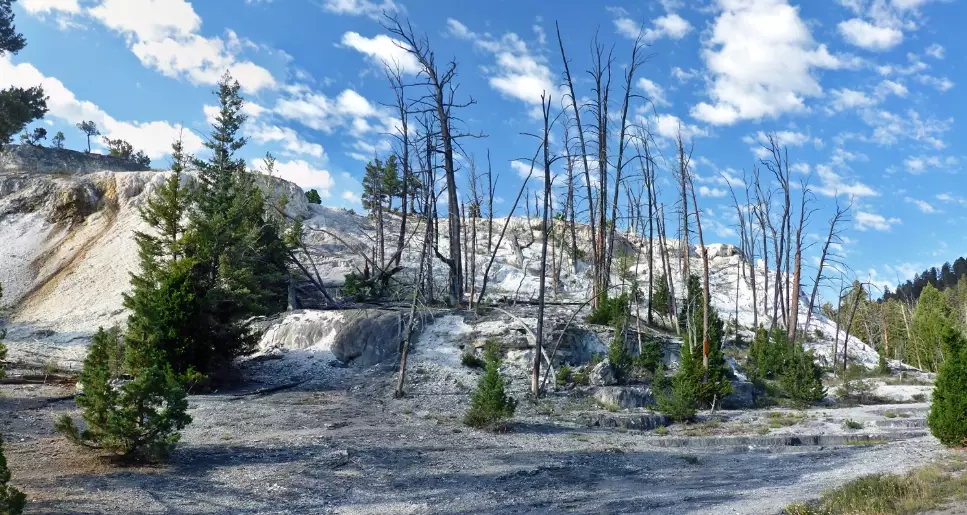
What You'll Find in This Guide
What Exactly Are the Mammoth Terraces?
Imagine a natural, open-air plumbing system on a monumental scale. Deep beneath the ground in the Long Valley Caldera (a massive volcanic depression), magma heats groundwater. This superheated water rises, dissolving calcium carbonate from the limestone bedrock. When it reaches the surface at Mammoth, the pressure drops, carbon dioxide gas fizzes out, and the calcium carbonate solidifies into travertine. Over decades and centuries, this process has built the massive, stair-stepped formations.
The key thing most summaries miss is that this isn't a static museum piece. It's a work in progress. Springs shift, dry up, and new ones burst forth. The colors come from thermophiles—heat-loving bacteria and algae that thrive in the different temperature bands. It's a lesson in geology, chemistry, and biology, all happening right before your eyes.
A Quick Geography Note
Location: Mammoth Terraces are located just outside the town of Mammoth Lakes, California, on the doorstep of the Eastern Sierra. They are part of a broader volcanic area that includes the Mono Lake tufa towers and the Long Valley Caldera. Administratively, they are often associated with nearby federal lands managed for recreation and conservation.
Planning Your Visit: The Nitty-Gritty Details
Here’s the practical information you need to lock down your trip. This is the stuff I always scramble for at the last minute.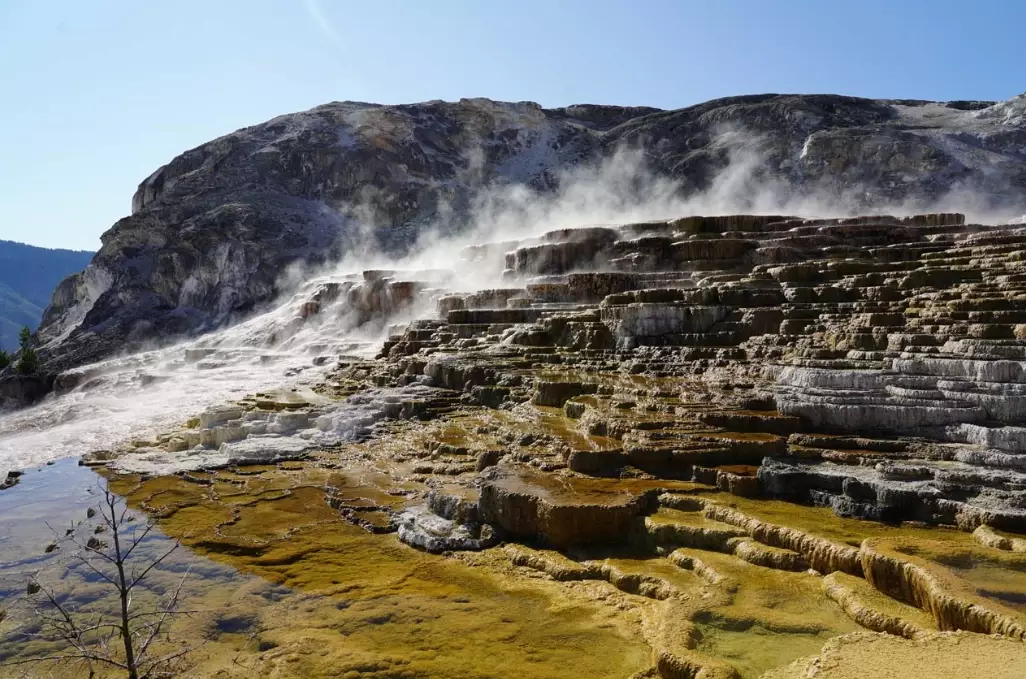
Hours and Admission
The terraces themselves are in a natural, open area and are technically accessible 24/7. However, the developed parking areas, main boardwalk access, and visitor facilities operate with more standard hours. There is typically no entrance fee specifically for the Mammoth Terraces boardwalk area. Parking is the main consideration—it's free but can fill up incredibly fast, especially on summer weekends. I've circled the lot for 20 minutes before finding a spot. Plan to arrive early or later in the afternoon to dodge the worst of it.
The Best Time to Go (And When to Avoid)
This is critical for your experience.
Prime Time (Late Spring/Early Fall): Late May through June and September through early October are magical. The weather is mild, crowds are thinner, and the light is perfect for photography. In fall, the aspen trees in the surrounding areas turn gold, creating an insane contrast with the white terraces.
Summer (July-August): This is peak season. Expect lots of people. The upside? All access roads are clear, and you can combine your visit with hiking, fishing, and other summer activities in Mammoth Lakes. Go on a weekday if you can. A morning visit at 8 AM feels completely different from a noon visit.
Winter (November-April): This is a whole different beast. The terraces are often shrouded in steam, with snow and ice creating dramatic scenes. However, access can be severely limited or require snowshoes or cross-country skis. The main boardwalk may be icy and treacherous. Only attempt this if you're prepared for winter conditions and have checked road and trail statuses.
| Season | Pros | Cons | My Recommendation |
|---|---|---|---|
| Spring (May-Jun) | Fewer crowds, flowing water, wildflowers. | Unpredictable weather, possible snowmelt runoff. | Best for photographers and solitude seekers. |
| Summer (Jul-Aug) | Guaranteed access, warm weather, all activities open. | Peak crowds, midday heat can be harsh. | Plan for early mornings, focus on combo trips. |
| Fall (Sep-Oct) | Stunning colors, cooler temps, thinning crowds. | Days getting shorter, chance of early snow. | The ideal all-around balance. |
| Winter (Nov-Apr) | Dramatic, steamy scenery, no crowds. | Extreme access challenges, cold, potential closures. | For experienced winter adventurers only. |
Getting There and Getting Around
Mammoth Lakes isn't exactly next door to a major city, but that's part of its charm.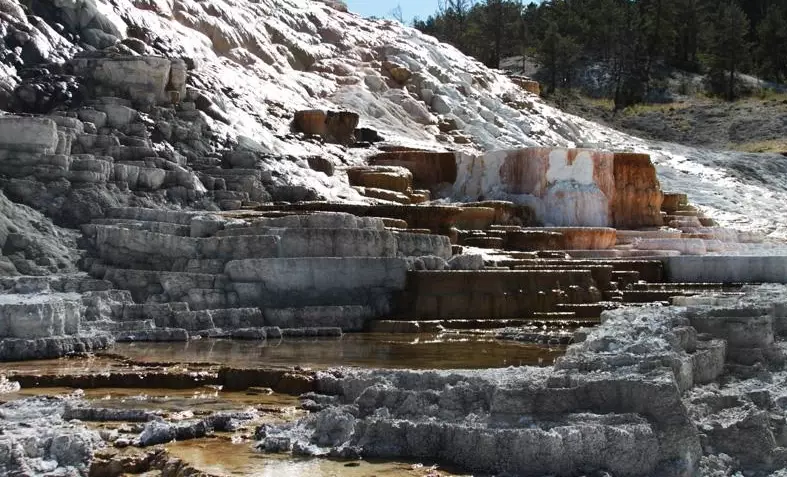
By Car (The Most Common Way): From the San Francisco Bay Area, it's about a 5-6 hour drive via US-395 South. From Los Angeles, it's also 5-6 hours via I-5 North to CA-14 to US-395 North. The 395 is one of America's most stunning highways—don't rush it. Stop at Mono Lake, Convict Lake, and pull over for the Sierra views. Once in Mammoth Lakes, follow signs for the main hot springs area. The turn-off is well-marked.
By Air: The nearest commercial airport is Mammoth Yosemite Airport (MMH), just a 10-minute drive from town. It has seasonal flights from major California hubs. Reno-Tahoe International Airport (RNO) is about a 3-hour drive north and offers more year-round options. You'll definitely need a rental car from either airport.
Public Transport: This is tricky. There's no direct, convenient public transit to the terraces themselves. The Eastern Sierra Transit Authority runs buses along US-395, connecting to towns like Bishop and Lone Pine, but you'd still need a taxi or rideshare for the final leg, which can be unreliable. Frankly, a car is non-negotiable for a smooth visit.
Capturing the Scene: Photography Tips
Everyone takes out their phone here. But to get a shot that stands out, you need a bit of strategy.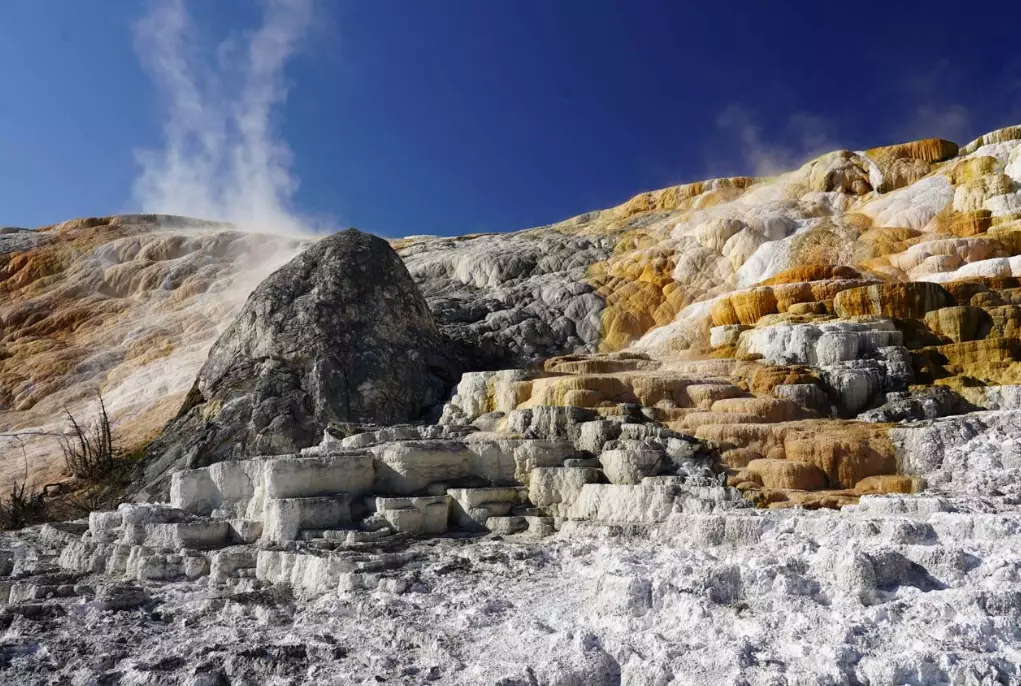
Light is Everything: The worst time to photograph is midday under a harsh, high sun. The travertine becomes a blinding white blob with no texture. Aim for the golden hours—the hour after sunrise and the hour before sunset. The low-angle light rakes across the formations, highlighting every ripple, pool, and step. It brings out the warm orange and brown hues in the rock.
Gear Suggestions: A smartphone can do wonders in good light. But if you have a camera, a polarizing filter is a secret weapon. It cuts the glare off the wet rocks and deepens the blue of the sky. A tripod is essential for sunrise/sunset or if you want to use a slower shutter speed to smooth out flowing water.
Composition Ideas:
Don't just shoot the whole hillside. Get close. Find patterns in the mineral stains. Frame a lone tree against the white terraces. Look for reflections in the still pools. Use the boardwalk as a leading line into the frame. After a dozen visits, my favorite shots are always the intimate details, not the wide postcard views.
One rookie mistake I see? People standing smack in the middle of the boardwalk for their shot, blocking everyone else. Be courteous. Step to the side, wait for a gap in the foot traffic. Your photos (and your karma) will be better for it.
Beyond the Boardwalk: Related Attractions
Mammoth Terraces are the headliner, but the Eastern Sierra is packed with wonders. Don't make this a blink-and-you-miss-it stop.
For More Hot Springs: If you're craving a soak (remember, you can't soak at the main terraces!), drive a bit further to Wild Willy's Hot Spring. It has a large, shallow, warm pool with an iconic view of the mountains. It's rustic, free, and can get crowded. For a more developed (and paid) experience, check out the pools at The Resort at Convict Lake.
For Hikers: The trailheads around Mammoth Lakes are legendary. For a moderate hike with huge payoff, try the Duck Pass Trail or the path around Convict Lake. For something easier, the Mammoth Lakes Basin Path is paved and accessible, connecting several stunning alpine lakes.
For the Geologically Curious: You're in a volcanic wonderland. Drive the Mono Lake Basin to see the bizarre tufa towers. Explore the obsidian flow at Obsidian Dome. The U.S. Geological Survey has fantastic resources on the Long Valley Caldera if you want to dive deep into the science.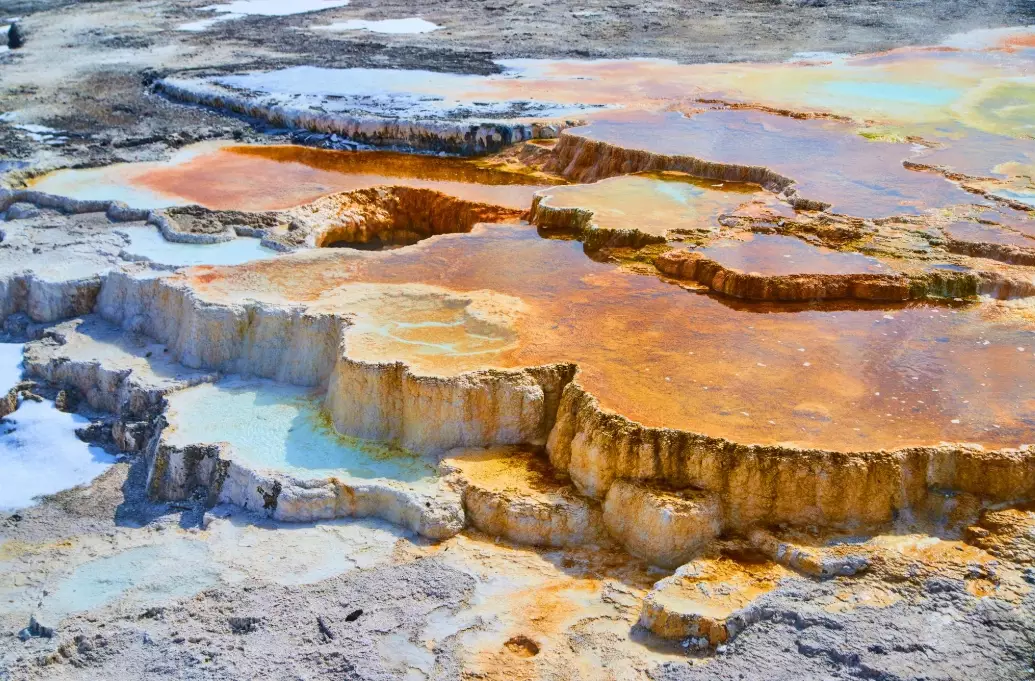
Your Questions, Answered
What is the best time of year to visit Mammoth Terraces to avoid crowds?
The absolute sweet spot is late May to early June, after most of the snow has melted but before the peak summer vacation rush hits in July. Weekdays are always better than weekends. If you must go in summer, aim for early morning or late afternoon. September and October are also fantastic, with fewer people and stunning fall colors, but be prepared for cooler temperatures and the chance of early snow.
Can you swim in the hot springs at Mammoth Terraces?
No, swimming or soaking in the active thermal features at the main Mammoth Terraces boardwalk area is strictly prohibited and extremely dangerous. The water is scalding hot and the delicate travertine formations are easily damaged. For a safe soaking experience, you need to visit the nearby, developed hot springs pools like the ones at the Resort at Convict Lake or Wild Willy's Hot Spring, which have separate, designated soaking areas with regulated temperatures.
How much time do I need to see Mammoth Terraces properly?
Most visitors spend 1 to 1.5 hours on the main boardwalk loop. This gives you time to read the interpretive signs, take plenty of photos, and just soak in the views. If you're a serious photographer or geology enthusiast, plan for 2+ hours, especially if you want to catch the light at golden hour. Don't make the mistake of rushing through in 30 minutes; the scale and detail reveal themselves slowly.
Are the Mammoth Terraces accessible for strollers or wheelchairs?
Accessibility is mixed. The main Lower Terraces area, including the boardwalk around Minerva Terrace, is paved and relatively flat, suitable for strollers and wheelchairs with assistance. However, the Upper Terraces Drive is a one-way road with several pullouts, and accessing those viewpoints often requires navigating uneven ground or short trails. The National Park Service website has detailed accessibility updates, and I always recommend calling the visitor center ahead of your visit for the most current conditions.
The Mammoth Terraces aren't just a checklist item. They're a reminder of the powerful, beautiful, and restless forces that shape our planet. With a little planning—choosing the right time, bringing your patience, and taking a moment to look beyond the obvious—your visit can be more than just a sightseeing stop. It can be a genuine encounter with a living landscape.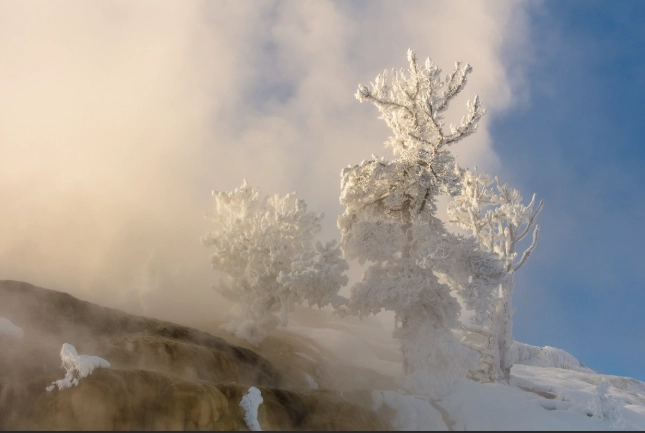
Pack your sense of wonder, your camera, and maybe an extra layer for the mountain weather. The terraces are waiting.
Reader Comments