Let's get the basic geography out of the way first. The Grand Canyon is located in the northwestern part of the U.S. state of Arizona. The Colorado River carved this immense gorge, which averages 10 miles across and a mile deep, over millions of years. Grand Canyon National Park, established in 1919, protects a vast swath of this landscape. But if you're planning a trip, just knowing it's in Arizona isn't enough. You need to understand its massive scale and the critical differences between its two main visiting areas: the South Rim and the North Rim. They're only about 10 miles apart as the crow flies, but a 4-5 hour drive separates them because you have to go around the canyon itself.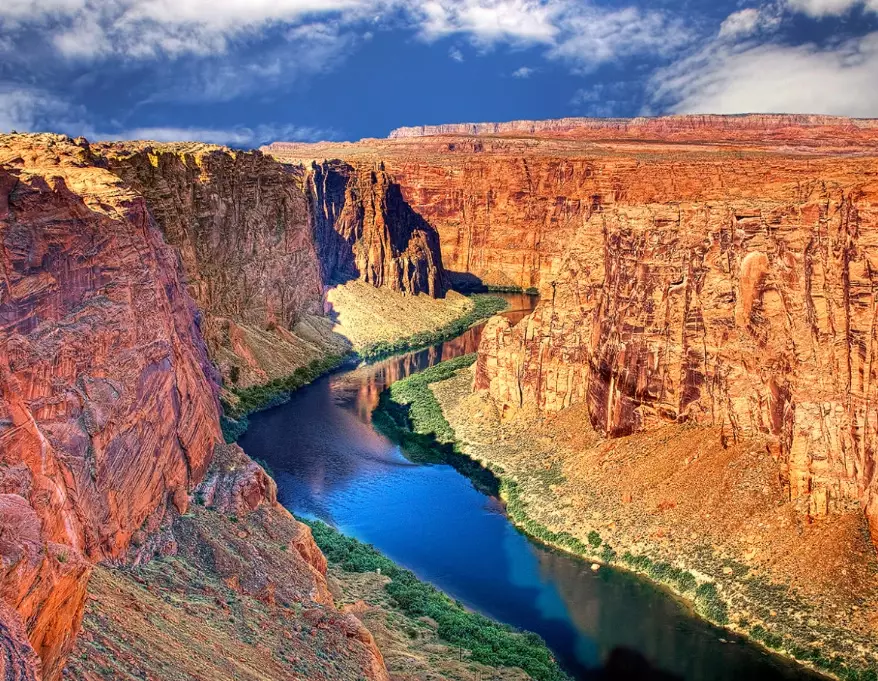
Your Grand Canyon Navigation Guide
The Grand Canyon’s Exact Location and Geography
Open Google Maps and search for "Grand Canyon Village, Arizona." That's the hub of the South Rim, the most visited section. The park's official mailing address is: Grand Canyon National Park, PO Box 129, Grand Canyon, AZ 86023. But that's just an administrative point. The park sprawls across 1.2 million acres.
The canyon sits on the Colorado Plateau, a high, semi-arid region. Its elevation is key to understanding the climate. The South Rim sits around 7,000 feet above sea level. The North Rim is over 8,000 feet. This means even summer days can be pleasant, but nights get cold, and snow is common from late fall through spring, especially on the North Rim.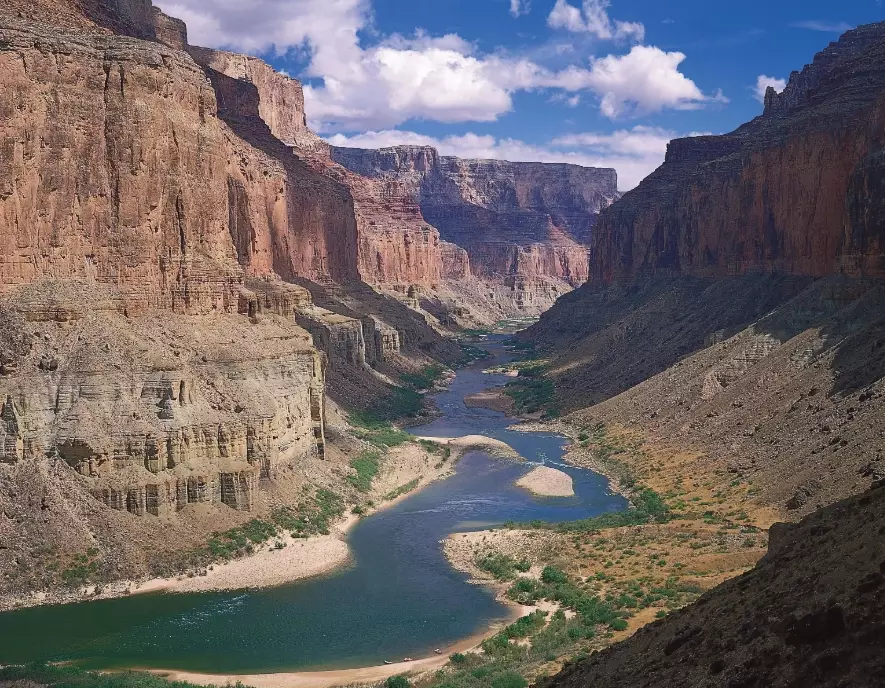
A Critical Distinction: South Rim vs. North Rim
This is the single most important decision for your trip. The South Rim is open year-round, has the most services (lodges, restaurants, visitor centers), and is about 60 miles north of Interstate 40 via AZ-64. It's the iconic, postcard view most people imagine. The North Rim is more remote, quieter, and sits 1,000 feet higher, offering a slightly different perspective. Its season is short: typically mid-May to mid-October, as snow closes the access road (AZ-67). It's a 210-mile drive from the South Rim village.
There's also the West Rim, which is not part of the national park. It's on Hualapai Tribe land and is home to the famous Skywalk glass bridge. It's closest to Las Vegas (about 2.5 hours) but has a very different, more commercialized feel.
How to Get to the Grand Canyon: Transportation Options
Unless you're on an organized tour, you'll likely be driving. Here’s the breakdown from major gateway cities.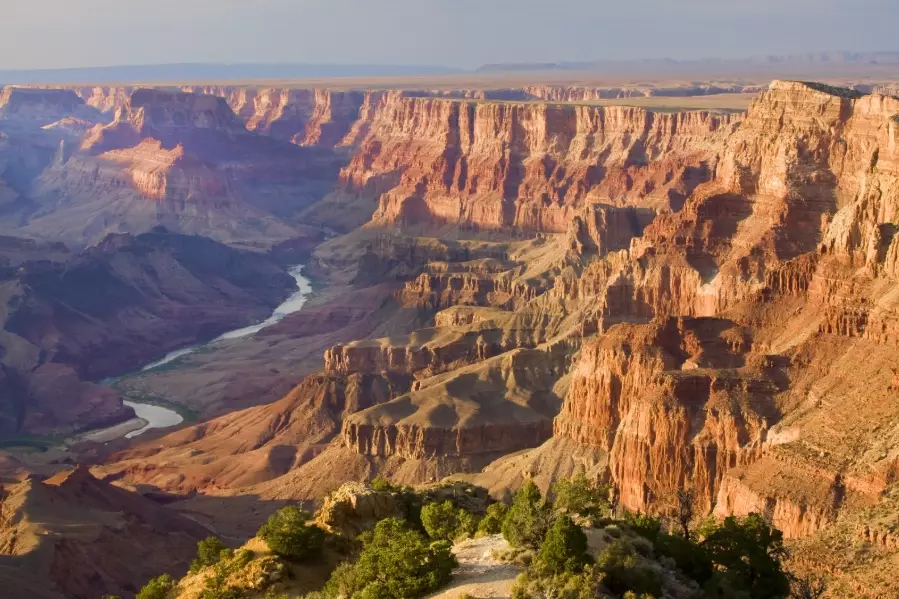
Driving to the South Rim
From Las Vegas, Nevada: Take US-93 South over the Hoover Dam to Kingman, AZ, then I-40 East to Williams, and finally AZ-64 North. It's about 275 miles, taking 4.5 to 5 hours without stops. The Hoover Dam can cause delays.
From Phoenix, Arizona: Take I-17 North to Flagstaff (about 2 hours), then I-40 West for a short stretch before taking AZ-64 North. The total is roughly 230 miles or 3.5 to 4 hours.
From Flagstaff, Arizona: The closest city with major amenities. It's a straight shot north on US-180 or a slightly longer route via I-40 and AZ-64. Either way, it's about 1.5 hours (80 miles).
Driving to the North Rim
From Las Vegas: The most direct route is I-15 North to UT-9 East through Zion National Park (check for tunnel restrictions for large RVs), then US-89 South to AZ-67 South. It's about 270 miles, or 4.5 to 5 hours.
From the South Rim: As mentioned, it's a 210-mile, 4-hour drive via AZ-64 East, US-89 North, and AZ-67 South. Don't plan to see both rims in the same day.
Other Ways to Arrive
By Train: The historic Grand Canyon Railway departs from Williams, AZ, and arrives at the South Rim. It's more about the nostalgic experience than speed. You can park your car in Williams.
By Air: The Flagstaff Pulliam Airport (FLG) and the Grand Canyon National Park Airport (GCN) near Tusayan offer limited commercial and charter flights. Most people fly into Phoenix or Las Vegas and rent a car.
By Bus & Shuttle: Seasonal shuttle services connect Flagstaff to the South Rim. Once inside the park, the free National Park Service shuttle buses are essential for getting around the South Rim's West Rim Drive (Hermit Road) in the busy season.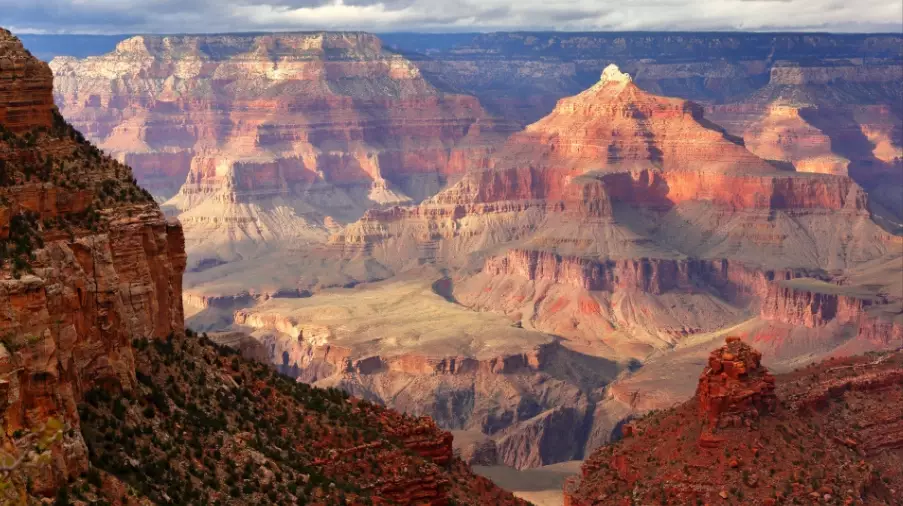
Planning Your Visit: Which Rim is Right for You?
Your choice dictates everything. Let's make it simple.
| Feature | South Rim | North Rim |
|---|---|---|
| Best For | First-time visitors, families, accessibility, year-round access, extensive services. | Solitude, backpackers, photographers seeking fewer crowds, a cooler summer retreat. |
| Open Season | Year-round. 24/7. | Mid-May to mid-October (approx). Facilities close in winter. |
| Address/Gate | South Entrance Station (AZ-64 from Williams) or East Entrance Station (AZ-64 from Desert View). | North Rim Entrance Station (end of AZ-67). |
| Entrance Fee | $35 per private vehicle (valid 7 days, both rims). Highly recommend the $80 America the Beautiful Annual Pass if visiting more than 2-3 national parks in a year. | |
| Lodging Inside Park | Multiple options: El Tovar, Bright Angel Lodge, etc. Book 13+ months in advance. | Grand Canyon Lodge. Extremely limited, books up instantly. |
| Nearest Town | Tusayan, AZ (5 min south of gate). Has hotels, food, gas. | Jacob Lake, AZ (45 min north). Very limited services. |
My take? For 90% of first-timers, the South Rim is the answer. It has the infrastructure to handle visitors and offers the classic, expansive views. The North Rim is a fantastic second visit or for those who truly prioritize quiet.
A huge, under-discussed factor is time of year. Summer (June-August) is packed. I mean, parking lots fill by 9 AM packed. Spring and fall are sublime. Winter is cold but magical, with snow dusting the red rocks and a fraction of the visitors. I once visited in late February and had Mather Point nearly to myself at sunrise—unthinkable in July.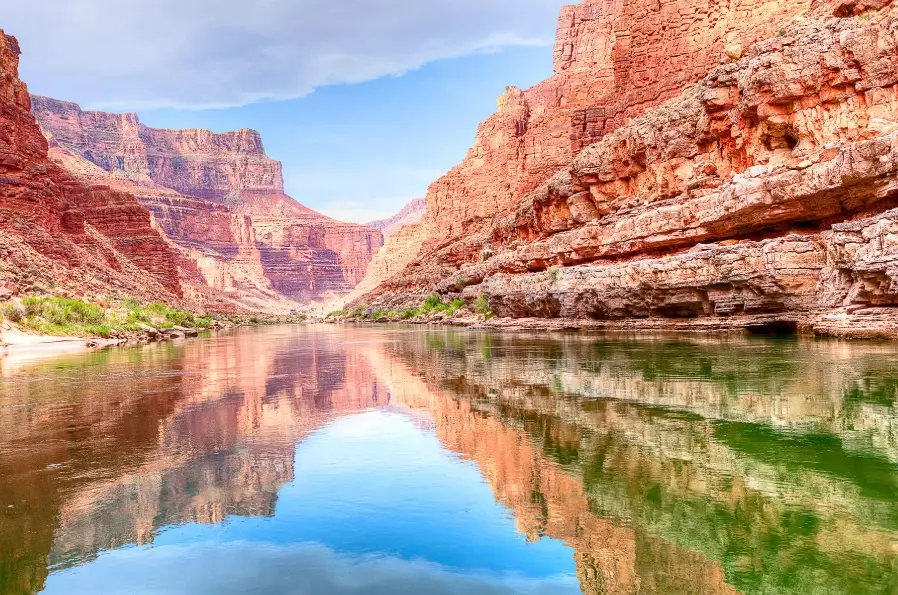
Grand Canyon Itinerary Ideas: From One Day to a Week
The One-Day Blitz (South Rim)
This is hectic but possible if you're based in Las Vegas or Phoenix and are short on time.
6:00 AM: Leave your hotel.
10:30 AM: Arrive at South Entrance. Head straight to Mather Point for the "wow" moment.
11:00 AM - 3:00 PM: Use the free shuttle on the Village Route (Blue) and Kaibab Rim Route (Orange). Get off at Yavapai Point, Geology Museum, and maybe hike a tiny way down the Bright Angel Trail just to feel the descent.
3:30 PM: Start driving the Desert View Drive (East Rim Drive) out of the park, stopping at Navajo Point and the Desert View Watchtower.
5:00 PM: Begin the long drive back. You'll be exhausted, but you'll have seen it.
The Perfect Weekend (South Rim)
This is the minimum I recommend.
Day 1: Arrive afternoon. Check in (stay in Tusayan if park lodging is full). Catch sunset at Hopi Point via the Hermit Road (Red) shuttle. Dinner.
Day 2: Sunrise at Yaki Point (Orange shuttle). Hike 1.5 miles down the South Kaibab Trail to Ooh Aah Point—it's the best short hike for views. Afternoon, explore the historic Village buildings (El Tovar, Hopi House). Catch a free ranger talk. Sunset at Desert View.
Day 3: Walk a portion of the Rim Trail between Bright Angel Lodge and the Village before driving out.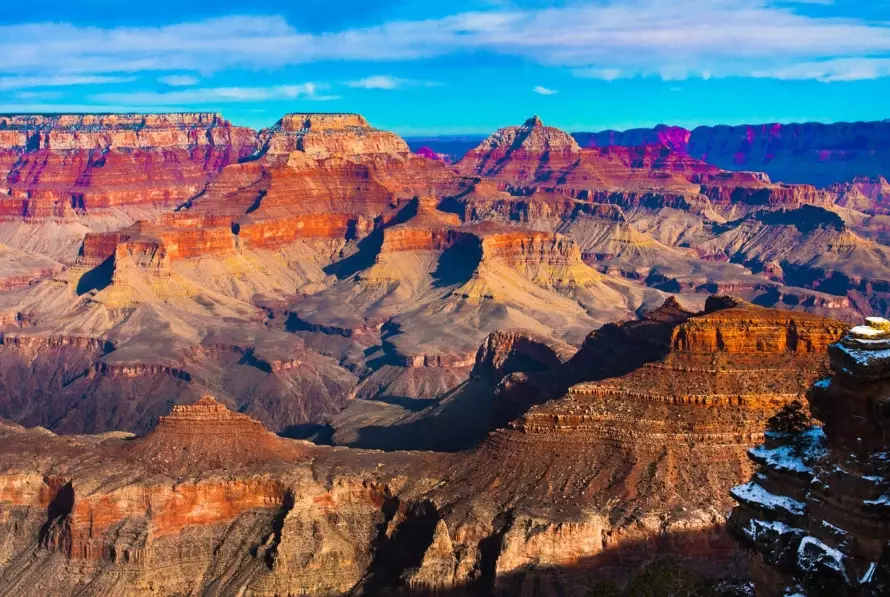
The Deep Dive (5+ Days)
Combine South Rim and North Rim, or add a backcountry permit for a rim-to-rim hike (a massive undertaking requiring serious planning). Spend a day just watching the light change. Take a guided van tour along the East Rim Drive. Visit the Tusayan Museum & Ruin. The canyon rewards slow travel.
Pro Tips for Your First Visit (Avoid the Crowds)
After a dozen trips, here's what I wish I knew the first time.
Parking is a nightmare from 9 AM to 4 PM. Use the Park & Ride lot in Tusayan and take the paid Tusayan Route (Purple) shuttle into the park. Or stay at a hotel in Tusayan that offers shuttle service.
Mather Point is a zoo. It's the first view for everyone. Walk 10 minutes east on the Rim Trail toward Yavapai Point, and the crowds thin dramatically.
You need a reservation for everything. Not just lodging. If you want to dine at the historic El Tovar dining room, book your table the moment you know your dates. Same for mule rides and certain guided tours.
Hydrate like it's your job. The air is dry, and the elevation sneaks up on you. Drink twice as much water as you think you need, especially if hiking.
The most common visitor injury? Ankle sprains from people stepping back for a photo near the unfenced edge. Be spatially aware. The canyon doesn't need a guardrail everywhere to be dangerous.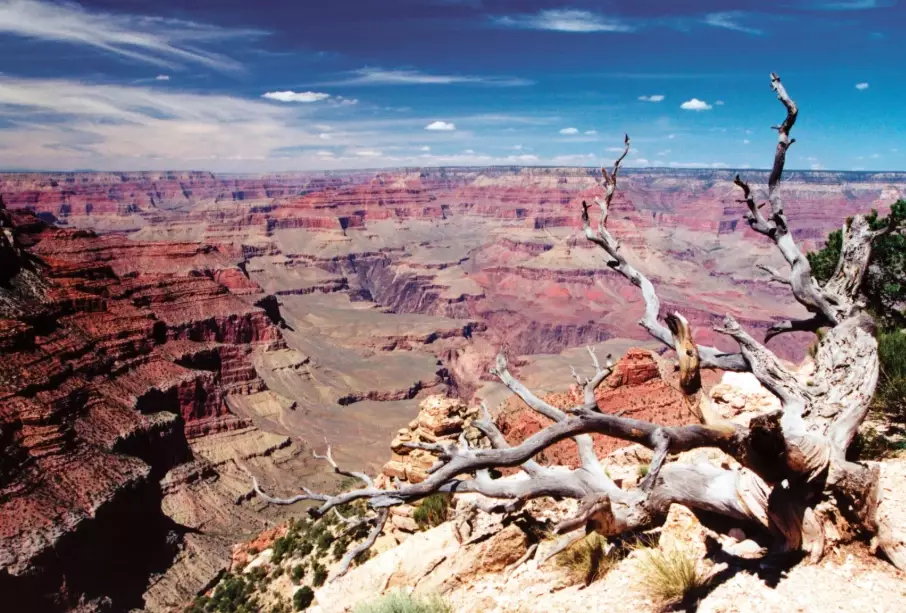
Your Grand Canyon Questions, Answered
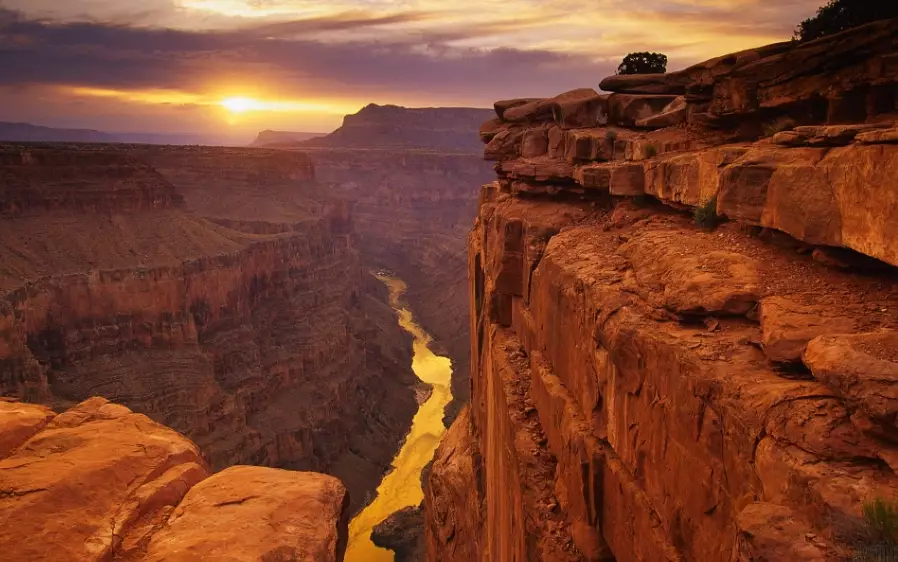 Can you visit the Grand Canyon in one day?
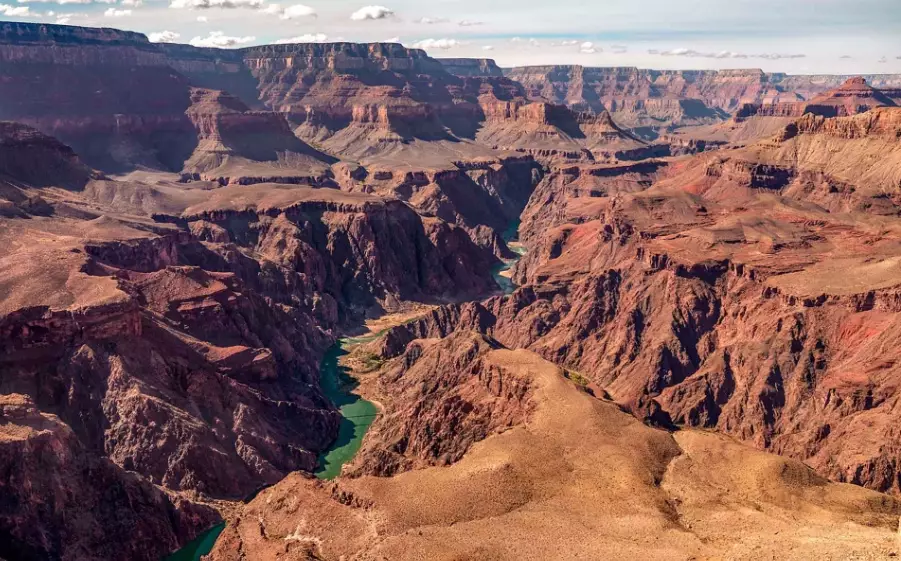 So, where is the Grand Canyon? It's in Arizona, on the Colorado Plateau, carved by the Colorado River. But more importantly, it's at the end of a journey that requires a bit of planning. It's a place where knowing the difference between the South Rim and North Rim, booking your lodging far in advance, and arriving early will transform your visit from a frustrating traffic jam into a profound encounter with one of the planet's greatest landscapes. Use the official National Park Service website as your final authority for fees, alerts, and shuttle schedules. Now you're ready to go.
Reader Comments