Quick Navigation
- The Absolute Must-Do: The Valley Drive
- Going Beyond the Loop: Guided Tours are Where the Magic Happens
- Where to Stay: The View at the End of the Day
- Chasing the Light: Photography Tips for Mere Mortals
- Respecting the Land and Culture: It's Not Just a Park
- Practical Stuff: The Nitty-Gritty Details
- Other Things to Do Near Monument Valley Utah
- Common Questions Answered (Stuff You Were Afraid to Ask)
- Wrapping It Up: More Than Just a Checklist
Let's be honest, you've probably seen the pictures. Those towering red sandstone buttes rising out of the flat desert floor, looking almost too perfect to be real. That's Monument Valley. It's the image that defines the American West for so many people around the world. But when you actually get there, standing in the middle of that vast, silent landscape, it hits you differently. It's bigger, quieter, and more powerful than any photo can capture.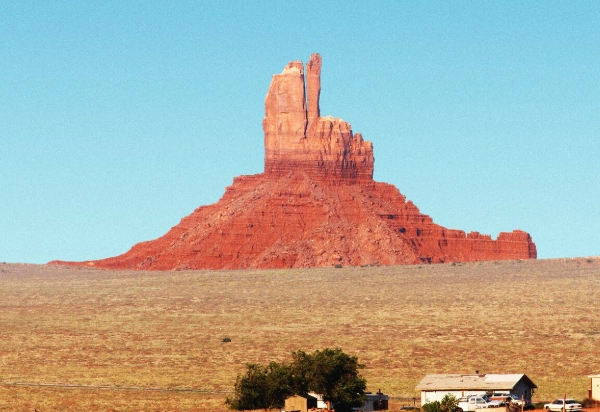
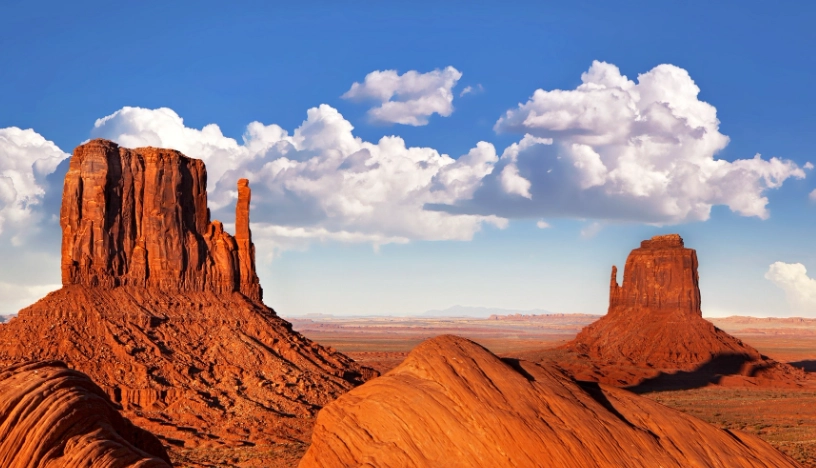
I remember my first time driving in from Kayenta, Arizona. You see the signs, you round a bend, and then there they are. The Mittens. Merrick Butte. It's a view that hasn't changed much in a million years, and it stops you in your tracks. Planning a trip here isn't about checking off a list of attractions; it's about experiencing a place that feels ancient and alive at the same time.
So, you're looking for things to do in Monument Valley Utah? Good. This isn't just another listicle. This is the guide I wish I had before my first visit, packed with the obvious must-dos, the hidden gems most people miss, and a whole lot of practical advice to save you from the common headaches. We'll talk about scenic drives, where to get that perfect shot, how to connect with the rich Navajo culture, and what to realistically expect from the weather and the roads (spoiler: they can be rough).
The Absolute Must-Do: The Valley Drive
If you only do one thing in Monument Valley, it has to be the 17-mile self-guided Valley Drive. This is the classic loop that takes you down into the heart of the monuments. It's a dirt road, and I mean a real, washboard, dusty, sometimes rocky dirt road. Don't even think about bringing a low-slung sports car. A standard sedan can make it if you drive painfully slow, but a high-clearance vehicle or SUV is your best friend here.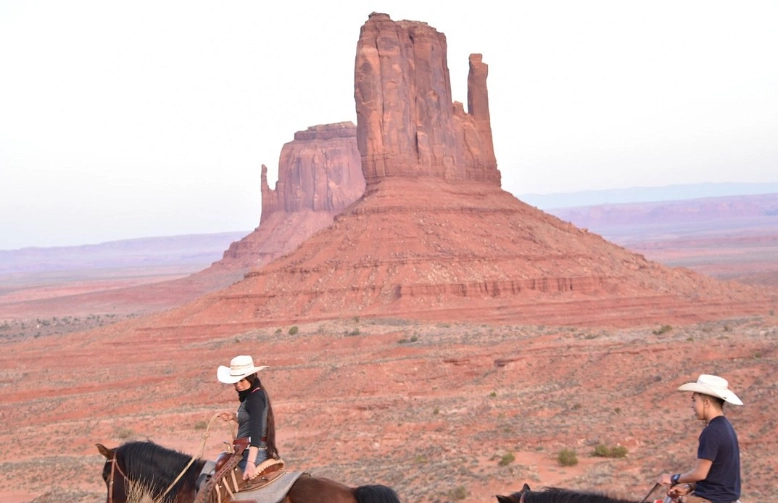
The drive has about 11 main stops. You'll get the famous up-close views of the East and West Mitten Buttes (they really do look like giant mittens), Merrick Butte, and the Three Sisters. One of the highlights is John Ford's Point. John Ford was the director who made this place famous in his western films, and this vantage point is named for him. You'll often see a Navajo guide on horseback there, posing against the epic backdrop—it's the quintessential Monument Valley photo op.
Another stop not to miss is the Totem Pole. This is a ridiculously skinny, 400-foot tall spire of rock. It looks impossible, like it should have toppled over centuries ago. Standing near its base makes you feel incredibly small.
How long does it take? If you just drive without stopping, maybe an hour. But who does that? Plan for at least 2 to 3 hours. Get out at every stop. Walk around. The light changes constantly, casting new shadows and revealing different colors in the rock.
Going Beyond the Loop: Guided Tours are Where the Magic Happens
Here's my biggest piece of advice: book a guided tour. The self-drive loop is great, but it only shows you about 10% of what's out there. The vast majority of Monument Valley Navajo Tribal Park is only accessible with a licensed Navajo guide. This isn't a restriction; it's an opportunity.
I was hesitant at first—I like exploring on my own. But joining a tour was the best decision I made. Our guide, a Navajo gentleman who grew up in the valley, took us to places I never knew existed. We drove in an open-air truck down into sandy washes, past ancient Anasazi petroglyphs hidden on cliff walls, and to places with names like "Ear of the Wind" and "Big Hogan." These are massive arches and alcoves sculpted by wind and water, far from the main road where you can often have them all to yourself.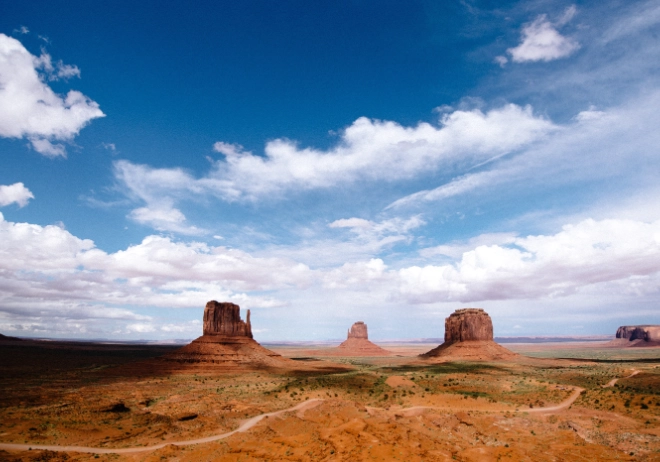
The knowledge the guides share transforms the landscape from a pretty picture into a living story. They'll point out formations that tell Navajo stories of creation, point to plants used for traditional medicine, and explain the deep spiritual connection their people have with this land. It turns a sightseeing trip into a cultural experience.
Types of Monument Valley Tours to Consider
You've got options, depending on your style and budget.
- Sunrise or Sunset Tours: This is the gold standard. The colors during the golden hours are beyond description. The red rock glows, the shadows are long and dramatic. A sunset tour that ends with watching the last light leave the Mittens is an experience you won't forget. It's cold at sunrise, though—bundle up!
- Photography Tours: These are led by guides who know every angle and how the light falls at different times of day. They'll get you to the right spot at the right time and often have tips for your camera settings.
- Hiking Tours: Want to get out and walk? Some tours include short hikes to more remote areas, like getting up close to the famed "Totem Pole" or exploring secluded canyons. The standard self-drive loop does not allow hiking away from the pull-outs.
- Half-Day vs. Full-Day: A half-day tour covers the main backcountry sights. A full-day tour is more immersive, often including a simple traditional lunch and visits to more distant areas.
You can book tours directly through the Navajo Nation Parks & Recreation Department website or through reputable local operators like Goulding's Tours. Book in advance, especially for sunrise/sunset slots—they fill up fast.
Where to Stay: The View at the End of the Day
Accommodation is part of the experience here. You have two main clusters: Goulding's Lodge and the View Hotel.
Goulding's Lodge is a historic spot with a lot of character. It's located just outside the park boundary and was the original trading post and base for Hollywood film crews. It has a museum, a decent restaurant, a grocery store (a lifesaver), and several room types. The views from their rim are spectacular.
The View Hotel is the only hotel located inside Monument Valley Tribal Park. As the name promises, every room has a private balcony facing the iconic East Mitten, West Mitten, and Merrick Butte. Waking up to that sunrise from your bed is pretty unbeatable. It's more modern than Goulding's, but it books up months in advance. No kidding—plan early.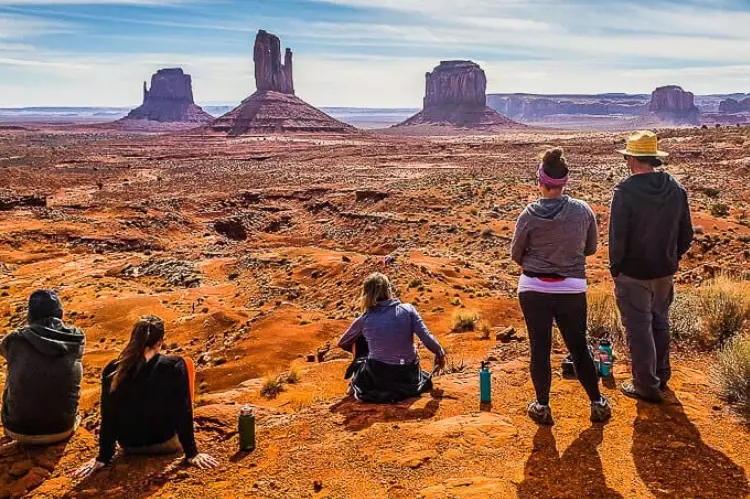
There are also campgrounds. The Mitten View Campground (run by the park) offers basic sites with that million-dollar view. It's first-come, first-served. Goulding's also has a campground with more amenities like full hookups. Camping here on a clear night, with a sky bursting with more stars than you thought possible, is magical. And cold. Even in summer, the desert night gets chilly.
Chasing the Light: Photography Tips for Mere Mortals
You don't need a $5000 camera to get great shots here. The landscape does most of the work. But a few tips can help.
Best Times: The hour after sunrise and the hour before sunset. The midday sun is harsh and creates flat, high-contrast light. During the golden hours, the warm light brings out the rich reds and oranges and creates long, defining shadows.
Top Photography Spots (that you can access):
- The View Hotel Patio: Even if you're not a guest, you can access the patio for a panoramic, elevated view. Great for sunrise.
- John Ford's Point: The classic, wide-angle shot. Try to include the buttes in the distance and the desert foreground.
- Artist's Point: On the Valley Drive, this spot gives a fantastic frontal view of the Mittens. It's perfect for sunset.
- The Visitor Center Outlook: Right by the parking lot. It's an easy, stunning overview of the entire valley. Good any time of day.
Bring a lens cloth. The dust is fine and gets everywhere. A polarizing filter can help deepen the blue sky and reduce glare off the rocks. And for goodness sake, look behind you. Some of the best shots are of the lesser-known formations catching the side light.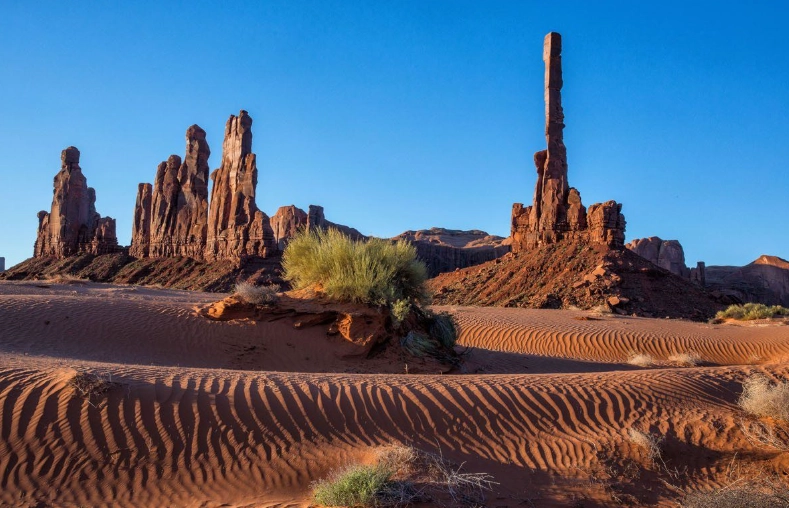
Respecting the Land and Culture: It's Not Just a Park
This is crucial. Monument Valley isn't a U.S. National Park; it's a Tribal Park managed by the Navajo Nation. You are a guest on their sovereign land. A few guidelines:
- No Drones. They are strictly prohibited without a permit. The noise is disruptive to the peace of the valley and is considered disrespectful.
- Do not climb on the rock formations. They are sacred. Stick to marked trails and roads.
- Ask before taking photos of people. This is basic courtesy anywhere, but especially here.
- Support the local economy. Hire Navajo guides, buy directly from Navajo artisans at the trading posts (look for the "Made in the Navajo Nation" tags), and eat at local restaurants. The fry bread? Get some. You'll thank me later.
Visiting the Navajo Nation Museum in nearby Window Rock, Arizona, can provide wonderful context before or after your trip, helping you understand the history and culture of the Diné (the Navajo people).
Practical Stuff: The Nitty-Gritty Details
Let's talk logistics. This is where many blogs gloss over the important details.
When to Go
Spring (April-May) and Fall (September-October) are ideal. Temperatures are mild, days are pleasant. Summer (June-August) is scorching hot. We're talking 100°F+ (38°C+) regularly. If you go in summer, all your activities must be planned for early morning or late afternoon. Monsoon season (July-August) can bring dramatic, short thunderstorms which are beautiful but can flash-flood roads.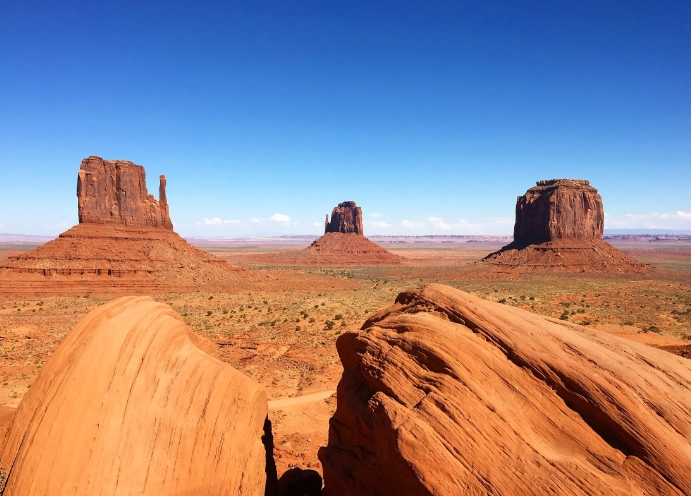
Winter (November-March) is cold, especially at night, and you might get snow. A dusting of snow on the red rocks is incredibly beautiful and makes for unique photos, but services and tour availability may be limited. Always check road conditions.
Fees and Passes
As of my last visit, the entry fee per vehicle was reasonable. It's separate from any tour fees. America the Beautiful National Parks passes do not work here, as it's not a federal park. Cash is king at the entrance gate, though they may take cards. Have both ready.
What to Pack
Other Things to Do Near Monument Valley Utah
You're in a region packed with wonders. If you have extra time, consider these day trips:
- Mystery Valley & Hunts Mesa: These are other sections of the Monument Valley area, often accessed by longer, more rugged tours. Hunts Mesa requires a permit and guide but offers a breathtaking top-down view of the entire valley—it's the iconic aerial shot perspective.
- Valley of the Gods: A little-known gem on BLM land in Utah. It's like a mini, free, drive-through version of Monument Valley with a 17-mile dirt road (high clearance recommended) winding between similar buttes. No services, just pure solitude.
- Goosenecks State Park: About an hour away in Utah. It's a mind-bending view of the San Juan River winding 1,000 feet below in deep, looping meanders. It's a quick stop but utterly geological.
- Mexican Hat: A quirky rock formation that looks like, well, a sombrero on a rock. It's a fun roadside photo stop.
- Antelope Canyon & Horseshoe Bend: These are near Page, Arizona, about a 2-hour drive. They're stunning but get insanely crowded. Book Antelope Canyon tours months in advance.
Common Questions Answered (Stuff You Were Afraid to Ask)
Wrapping It Up: More Than Just a Checklist
Finding the best things to do in Monument Valley Utah isn't about rushing from one photo spot to the next. It's about slowing down. Let the scale of the place sink in. Listen to the wind. Feel the sun and the dust. Talk to a guide and hear the stories in the rocks.
It's a landscape that demands respect and rewards patience. Whether you're watching a storm roll across the desert from your hotel balcony, bouncing along in the back of a tour truck to a hidden arch, or simply standing silently at John Ford's Point, you're participating in something timeless.
So plan, but leave room for wonder.
Book that sunset tour. Get up for the sunrise. Get your car dusty. Drink lots of water. And let one of the world's most iconic landscapes do what it does best—leave you utterly speechless.
Reader Comments