Your Quick Guide
- Where to Find the REAL Independence Pass Road Conditions Today
- What Do Those Road Conditions Actually Mean for Your Drive?
- The Seasonal Reality: Winter Closure is Absolute
- Your Vehicle and the Pass: A Frank Conversation
- Essential Driving Tips You Won't Find in the Manual
- What to Pack: The "Just In Case" Kit
- Frequently Asked Questions (The Real Ones)
- Putting It All Together: Your Decision Matrix
Let's cut to the chase. You're probably sitting there, maybe with a coffee getting cold, trying to figure out if you can drive over Independence Pass today. I get it. Planning a trip through the Colorado Rockies is exciting, but that excitement can quickly turn into anxiety when you're staring at a blank screen searching for a straight answer on Independence Pass road conditions today. Is it open? Is it a sheet of ice? Do you need chains? Will your sedan make it?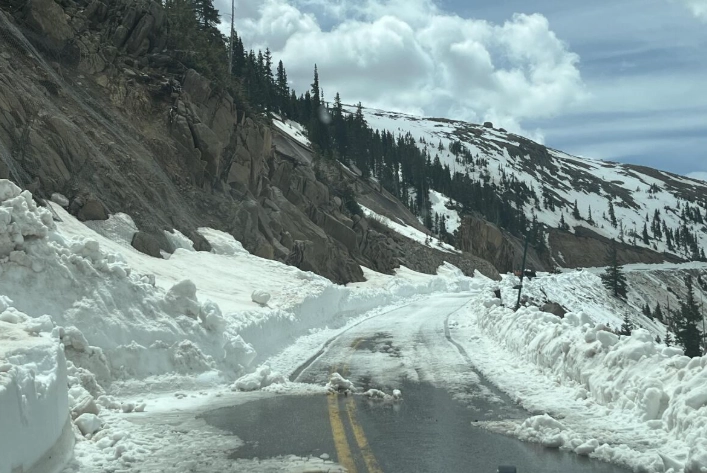
I've been there. I've also been the person who trusted the wrong "live" website only to find a "Road Closed" sign after a two-hour drive. Not fun. So, I'm writing this to save you from that headache. This isn't just another generic article stuffed with keywords. This is the guide I wish I had. We're going to talk about where to find the actual real-time status, what those conditions really mean for your drive, and how to prepare so you don't end up in a sketchy situation at 12,000 feet.
The Core Truth: There is no single, magical "live camera" that shows you the exact condition of every curve on the pass. Anyone who tells you otherwise is selling something. Getting the true picture of Independence Pass road conditions today requires checking a few trusted sources and understanding what you're looking at. That's what we'll unpack here.
Where to Find the REAL Independence Pass Road Conditions Today
Forget the shady third-party blogs with outdated info. If you want authority, you go straight to the source. For Colorado state highways, that source is the Colorado Department of Transportation (CDOT).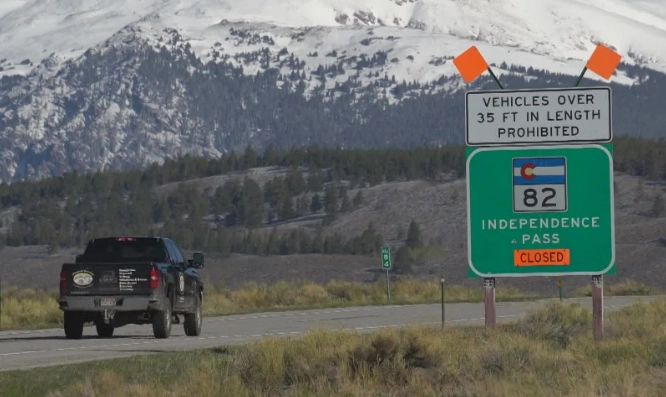
Their official traveler information site, COtrip.org, is your number one, non-negotiable stop. It's not always the prettiest website (government sites rarely are), but it's the most accurate. Here’s exactly how to use it to check on Independence Pass status:
- Go to the map page.
- Find Highway 82, which runs east-west through the heart of the state.
- Locate the stretch between Aspen and Twin Lakes. That's the pass.
- Click on the colored segments or the camera icons. Green means clear, red means closed, and various shades of yellow/amber indicate cautions like "chains required" or "high profile vehicles not advised."
The map updates regularly, but it's not instantaneous. For the absolute latest, especially during rapidly changing weather, I also call the CDOT hotline. Yeah, a phone call. It feels old-school, but the recorded message is often updated faster than the website during active snowstorms. The number for the Aspen area is (970) 925-8484. Write it down.
Another fantastic resource is the National Weather Service (NWS) forecast for the pass region. Search for "Independence Pass CO" on their site. The forecast will tell you not just about snow, but about wind—which can be just as dangerous, blowing snow across the road and reducing visibility to zero. Knowing if a storm is coming in 6 hours is just as crucial as knowing what's happening right now.
What Do Those Road Conditions Actually Mean for Your Drive?
So you've checked COtrip. It says the pass is "Open" but with "Adverse Conditions." What does that actually mean for you behind the wheel? This is where generic advice fails and real experience talks.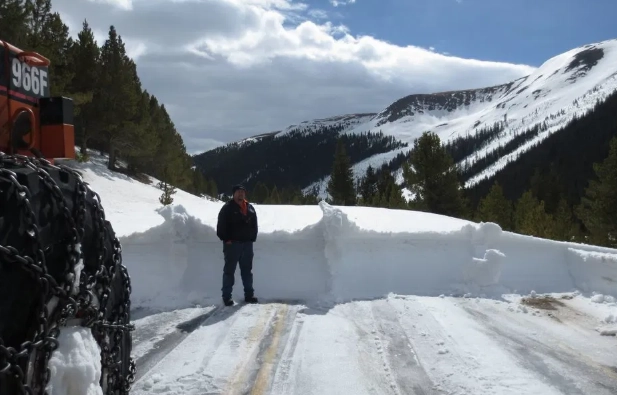
"Adverse Conditions" on Independence Pass isn't like a wet road in Denver. We're talking about a narrow, winding road with steep drop-offs, no guardrails in long sections, and weather that can change from sunshine to a whiteout in minutes. An "Adverse Conditions" flag often means:
- Wet or Icy Patches: Especially in the shaded corners on the east side. You hit one while going a bit too fast, and you're in trouble.
- Blowing Snow: The wind whips across the treeless summit area, drifting snow onto the pavement even if it's not currently snowing. This creates deceptive "bare pavement" spots followed by sudden piles of snow.
- Falling Rock or Debris: Common in spring during thaw cycles and summer afternoon storms.
Here’s a breakdown of what common statuses translate to in real-world driving:
| COtrip Status | What It Really Means | Should You Go? |
|---|---|---|
| Road Closed | The gate is down. Do not attempt. This happens for winter seasonal closure, avalanche control, or major accidents. | No. Turn around. |
| Chains Required | Active, significant snow on the road. Law enforcement may be checking. Passenger cars without adequate traction (chains or approved snow tires) will be turned back. | Only with proper equipment and high confidence in winter driving. |
| High Profile Warning | High winds, often exceeding 50 mph. Dangerous for RVs, trailers, tall vans, and motorcycles. | Not advisable for vulnerable vehicles. Passengers cars should proceed with extreme caution. |
| Adverse Conditions | Potentially hazardous driving. Could be ice, snow, slush, poor visibility. Road is technically open but not necessarily safe for the unprepared. | Proceed with significant caution. Assess your vehicle, tires, and skill level. |
| Normal Conditions | Road is clear and dry. This is the summer dream scenario. | Yes, but always stay alert for sudden weather. |
Checking Independence Pass Colorado road conditions today is step one. Interpreting them correctly is step two. If you see "Chains Required," and you're in a rear-wheel-drive sports car with summer tires, your trip is over. It's not a suggestion; it's a hard boundary for safety.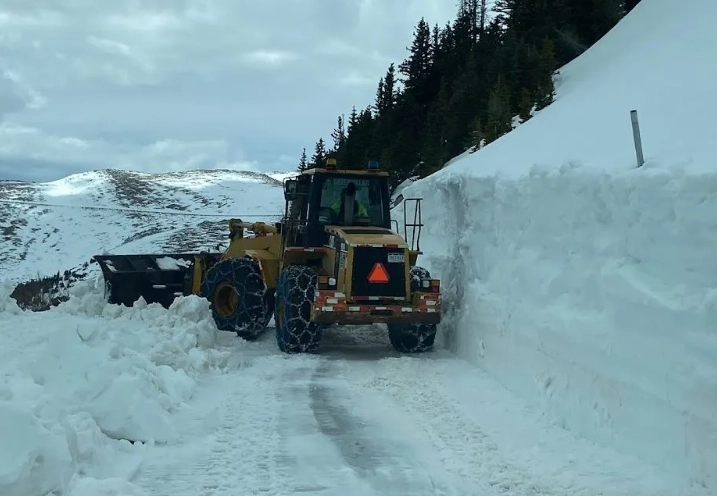
The Seasonal Reality: Winter Closure is Absolute
This is critical. Independence Pass is not a year-round highway. It's a seasonal pass. CDOT closes it every winter, typically around the first week of November. It reopens around Memorial Day in late May, but that date can swing by weeks depending on snowpack.
During the closure, the gates are locked at the winter closure points near Aspen and near Twin Lakes. The road is not maintained, not plowed, and not patrolled. It becomes a snowmobile and backcountry ski route. Attempting to bypass the gates is not only incredibly dangerous and illegal, it's a great way to get yourself stranded and slapped with a massive rescue bill and fines.
Let me be blunt: If you are searching for Independence Pass road conditions today between November and May, the answer is almost certainly "CLOSED." Do not waste your mental energy hoping for a miracle opening after a major snowstorm in January. It won't happen. Plan your route via I-70 through Glenwood Canyon instead.
The opening in spring is a big deal. Crews have to clear dozens of feet of snow, repair winter damage, and ensure the road is stable. The opening date is always tentative until CDOT makes the official announcement. So, if you're planning a Memorial Day weekend trip hoping to cross the pass, you need to be checking CDOT religiously in the weeks leading up to it. There's no guarantee.
Summer and Fall: The Prime Time (Mostly)
Once open, summer driving is generally straightforward, but it's still a high-altitude mountain pass. Afternoon thunderstorms are a daily occurrence in July and August. These can bring heavy rain, hail, lightning, and drastically reduced visibility. The rule of thumb is to aim to cross the pass in the morning. By 1 or 2 PM, those clouds start building.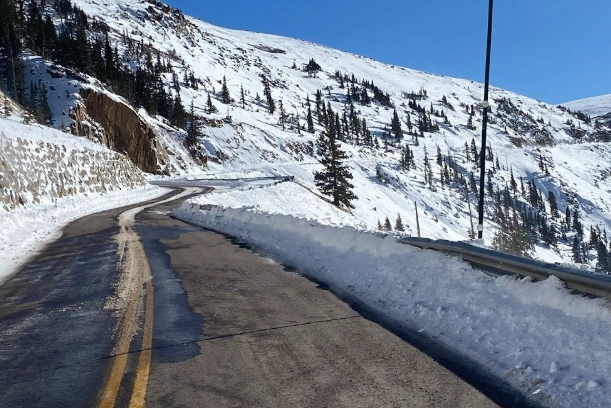
Fall is gorgeous with the aspen trees turning gold. It's also the most crowded time on the pass, with leaf-peepers everywhere. Traffic moves slowly, parking at overlooks is a nightmare, and everyone is distracted by the scenery. Conditions can be perfect, but you need patience. And watch for early season snowstorms, which can surprise everyone in late September or October.
Your Vehicle and the Pass: A Frank Conversation
Alright, let's talk about your car. I've seen everything on that road: massive RVs squeezing around corners, motorcycles leaning into the curves, and sedans crawling along with their hazard lights on. What's ideal?
The Gold Standard: An all-wheel-drive (AWD) or four-wheel-drive (4WD) vehicle with all-season or, better yet, mountain-snowflake rated tires with good tread. This setup gives you the best chance for traction year-round.
The Reality Check: Can a front-wheel-drive sedan with good all-season tires make it in the summer? Absolutely. I've done it many times. The key is the tires. Bald tires are a hard no, regardless of your drivetrain.
The No-Go Zone: Rear-wheel-drive cars (think many sports cars, older sedans, some pickup trucks without weight in the bed) are notoriously bad in snow and ice. If there's even a hint of winter weather in the forecast for your Independence Pass road conditions today check, seriously consider an alternate route if you're in one of these.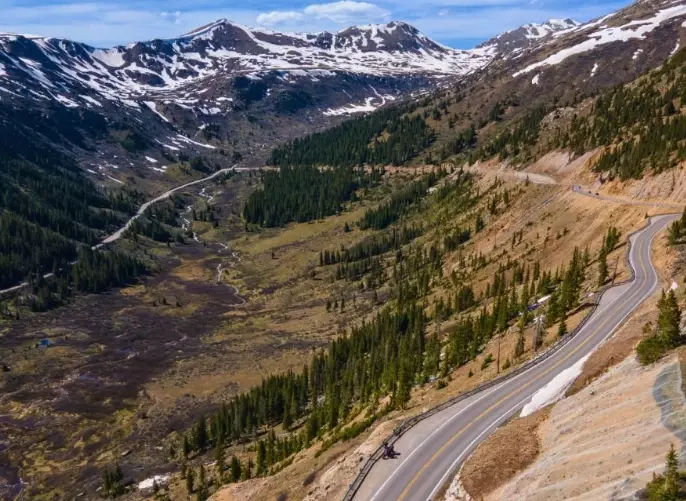
Here’s a quick pre-trip vehicle checklist I run through:
- Tire Tread: Use the penny test. Insert a penny into the tread with Lincoln's head down. If you can see the top of his head, your tread is too low.
- Tire Pressure: Check it when the tires are cold. Altitude changes affect pressure.
- Brakes: Listen for grinding. Feel for pulsation. Mountain driving is hard on brakes.
- Fluids: Windshield washer fluid (you'll use it), coolant, oil.
- Spare Tire & Jack: Make sure you actually have them and know how to use them. Cell service is spotty up there.
Essential Driving Tips You Won't Find in the Manual
You've got a good vehicle, you've checked the official Independence Pass status, and it's a go. Here’s the on-the-road wisdom that comes from experience, not a handbook.
Use the Pullouts. This is the single most important tip for keeping traffic flowing and avoiding road rage. The pass is full of slow vehicle turnouts. If you have more than 3 or 4 cars stacked up behind you, it is your responsibility to use them. Signal, pull over safely, let them pass, and then resume your drive. It's courteous and safe. The locals and truck drivers will thank you.
Downshift, Don't Ride Your Brakes. On the long, steep descent from the summit eastbound toward Leadville, you'll burn your brakes out if you keep your foot on the pedal. Shift into a lower gear (2 or L, sometimes even 1 in very steep sections) and let engine braking do the work. You'll smell the difference—or rather, you won't smell the acrid scent of burning brake pads.
Eyes Up, Hands at 9 and 3. The views are breathtaking. Seriously, they'll take your breath away. But you need to keep your eyes on the road, especially through the countless blind curves. No photo is worth going over the edge. Pull over completely, put the car in park, then take your picture.
Watch for Bicycles. The pass is a legendary climb for cyclists. Give them a wide berth—at least 3 feet when passing. They're working hard at that altitude.
Altitude affects your car too.
You might notice a slight loss of power as the air thins. It's normal. Your engine is just taking a deep breath of less oxygen-rich air. Don't panic and stomp on the gas; just be patient.
What to Pack: The "Just In Case" Kit
Even with perfect Independence Pass road conditions today, things happen. A summer thunderstorm can drop the temperature 40 degrees. A rock can puncture a tire. Being prepared isn't paranoid; it's smart.
My trunk kit for crossing any Colorado high pass includes:
- Water and Snacks: More than you think. Granola bars, nuts, jerky.
- Warm Layers: A fleece, a waterproof jacket, hat, and gloves. Even in August.
- Blanket or Sleeping Bag: For warmth if you're stuck.
- Flashlight/Headlamp: With extra batteries.
- Basic Tools: Jumper cables, tire pressure gauge, multi-tool.
- First-Aid Kit: A real one, not just a box of band-aids.
- Paper Map: Yes, paper. You can buy a Colorado state atlas at any gas station. When GPS fails, this is your lifeline.
- Full Charger for Your Phone: A battery pack, not just a cable for the car.
It all fits in a small duffel bag and gives me immense peace of mind.
Frequently Asked Questions (The Real Ones)
Putting It All Together: Your Decision Matrix
Let's synthesize everything. When you wake up and your first thought is checking Independence Pass road conditions today, follow this flow:
- Check Season: Is it between Nov 1 and May 15-ish? If yes, assume it's closed and verify on COtrip. Plan alternate route.
- Check COtrip.org: This is your primary source for the official Independence Pass status. Is it red (closed)? Stop. Is it green (open)? Proceed to step 3.
- Check Weather.gov: What's the forecast for the next 6-8 hours along Highway 82 over the pass? Any snow, heavy rain, or high wind warnings?
- Assess Your Vehicle: Do your tires and drivetrain match the conditions shown? (Refer to the table above).
- Assess Your Comfort & Skill: Be honest with yourself. Are you a confident mountain driver? If conditions are less than perfect and you're not, there's no shame in taking the interstate.
- Pack Your Kit & Go Early: If it's a go, pack your "just in case" items, fill up with gas, and hit the road early.
Independence Pass is one of Colorado's crown jewels. Driving it is a rite of passage. The key to a great experience is respect—for the road, the weather, and your own limits. By using the authoritative sources, understanding what the conditions mean, and preparing properly, you transform a potentially stressful search for Independence Pass road conditions today into the confident start of an unforgettable adventure.
Drive safe, take lots of pictures from the pullouts, and enjoy every curve.
Reader Comments