In This Guide
- What Exactly Is Horseshoe Bend?
- Getting There: Your Road Trip Options
- The Infamous Hike: What's It Really Like?
- When to Go: Beating the Crowds and the Heat
- Capturing the Shot: Photography Tips That Actually Work
- Beyond the Overlook: Tours and Alternative Experiences
- Frequently Asked Questions (The Real Ones People Ask)
- The Final Word: A Reminder on Respect
Let's be honest, you've probably seen the picture a thousand times. That impossibly deep, emerald green curve of the Colorado River, wrapped around a towering sandstone peninsula in the middle of the Arizona desert. It's one of those places that looks almost too perfect to be real. Horseshoe Bend. The name itself is pretty straightforward, but the experience of actually being there? That's a whole different story.
I remember my first time. I drove from Las Vegas, mind buzzing with images from Instagram, expecting... well, I'm not sure what I was expecting. A quiet overlook, maybe. What I got was a bustling parking lot, a line for the porta-potties, and a hike under a blistering sun. But then I walked up to the edge. And you know what? Every single cliché about having your breath taken away was true. It's massive. It's silent in a way that drowns out the crowd. The scale is something no photo can prepare you for.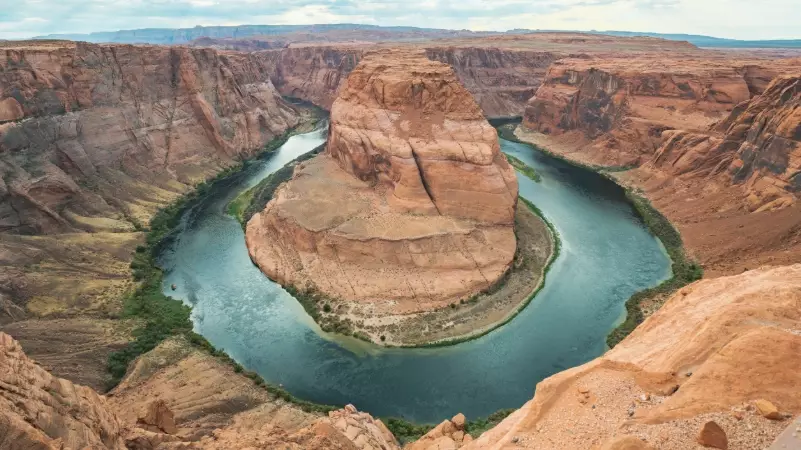
This guide isn't just another list of facts. It's the stuff I wish I'd known before I went, mixed with the hard-won tips from a few return visits. We'll talk about the good, the bad (yes, there are downsides), and the absolutely essential. Whether you're a serious photographer waiting for the perfect light, a family looking for a manageable adventure, or a solo traveler ticking off a bucket list item, I've got you covered.
What Exactly Is Horseshoe Bend?
Let's start with the basics, because it's easy to get it confused with other spots in the Southwest. Horseshoe Bend is a massive incised meander of the Colorado River. Think of the river taking a huge, U-shaped detour. It's located near the town of Page, Arizona, just a few miles downstream from the Glen Canyon Dam (which holds back Lake Powell).
The rock you're looking at is Navajo Sandstone. That's the same beautiful, cross-bedded rock that makes up much of the region's scenery. The bend itself is about 1,000 feet deep, and the river lies about 1,000 feet below the rim where you stand. The overlook faces roughly west, which is why the late afternoon light is so magical—it illuminates the entire canyon face.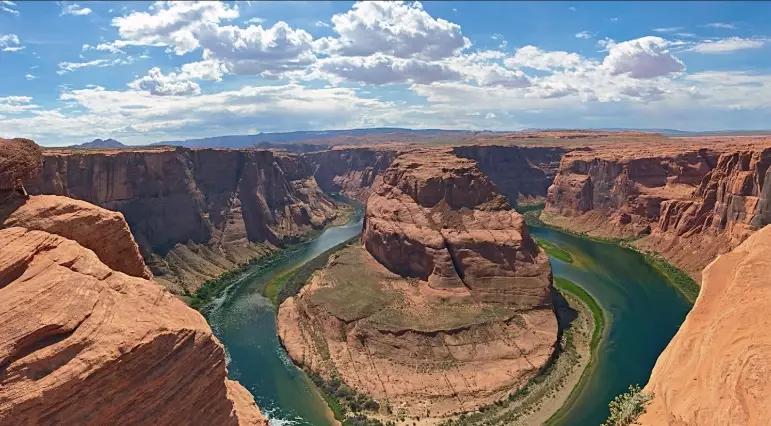
It's managed by the City of Page, not the National Park Service, which is an important distinction. That means different rules, different fees, and a different vibe than, say, the Grand Canyon. You can find the official visitor information on the City of Page website, which is useful for checking current conditions.
Getting There: Your Road Trip Options
Horseshoe Bend is remote, but accessible. Almost everyone drives.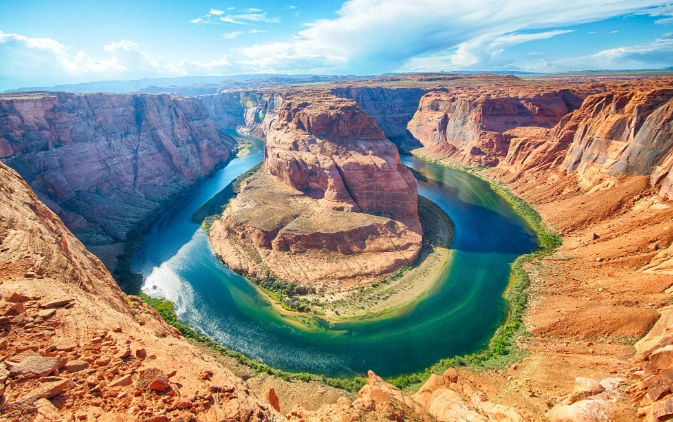
From Las Vegas
This is the most common route for first-timers. It's about a 4.5-hour drive (roughly 270 miles). You'll take I-15 east out of Vegas, then switch to AZ-389 and US-89ALT. The scenery shifts from Mojave Desert to the stunning Vermilion Cliffs. It's a gorgeous drive. You could easily pair it with a stop at the Paria Canyon-Vermilion Cliffs Wilderness area or even detour to Zion National Park if you have extra time.
From Phoenix/Flagstaff
Coming from the south, it's about a 4-hour drive from Phoenix (260 miles) on I-17 and US-89 North. From Flagstaff, it's a much easier 2-hour shot straight up US-89. This route takes you through the Navajo Nation, and it's a sobering, beautiful landscape.
No matter which way you come, plug "Horseshoe Bend Overlook Parking" into your GPS. Don't just search "Horseshoe Bend" or you might end up at a random spot on a map.
The Infamous Hike: What's It Really Like?
Okay, let's demystify the walk. It's not a wilderness trek. It's a well-defined, sandy path from the parking lot to the overlook. But the desert doesn't care about your paved starting point.
- Distance: It's about 1.5 miles round-trip (0.75 miles each way). Sounds easy, right?
- Terrain: Mostly packed sand and rock. It's a gentle incline on the way back. The path is wide and accessible.
- The Catch: The sun. There is zero shade. None. If you go in the middle of a summer day, the heat reflecting off the sand is brutal. I've seen people in flip-flops looking utterly miserable by the halfway point.
They've added some shaded structures with benches along the path, which are absolute lifesavers. Use them. Stop. Drink water even if you're not thirsty yet.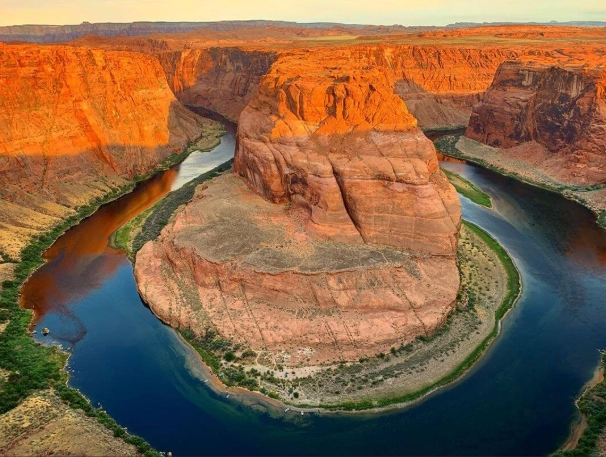
Essential Gear Checklist
Don't overcomplicate it, but don't underprepare. Here’s what should absolutely be in your bag or on your person for the Horseshoe Bend hike:
| Item | Why It's Non-Negotiable | Pro Tip |
|---|---|---|
| Water | Dehydration hits fast in dry heat. | Freeze a bottle halfway the night before, top it off in the morning. Cold water for longer. |
| Sun Protection | Hat, sunglasses, sunscreen. The rim offers no shade. | A wide-brimmed hat is far better than a baseball cap for neck coverage. |
| Sturdy Shoes | The sand is hot, and the rock can be slippery. | Closed-toe shoes with grip. Save the sandals for after. |
| Camera/Phone | Obviously. But also for safety. | Put it on a wrist strap or lanyard. Dropping it over the edge is a real risk. |
| Small Snack | A quick energy boost for the walk back. | Something like a granola bar or trail mix. |
| Patience & Awareness | It can be crowded. People stop for photos. | Go early or late to avoid the biggest crowds. |
When to Go: Beating the Crowds and the Heat
Timing is everything at Horseshoe Bend. Go at the wrong time, and you'll be sharing the view with hundreds of others under a punishing sun. Go at the right time, and it can feel like you have the planet to yourself.
Best Seasons
Spring (March-May) & Fall (September-November) are the gold standard. Daytime temperatures are pleasant (60s-80s°F). The light is beautiful. These are also the busiest times, so the "shoulder" months of late March/April and October are sweet spots.
Winter (December-February) is a secret hack, in my opinion. Yes, it can be cold and windy. I've been there with ice on the ground. But the crowds are thin, and the low winter sun can create incredible long shadows in the canyon. Just bundle up.
Summer (June-August) is... intense. Temperatures regularly soar above 100°F. If you go in summer, your only sane options are at sunrise or just before sunset. The midday heat is no joke and can be dangerous.
Best Time of Day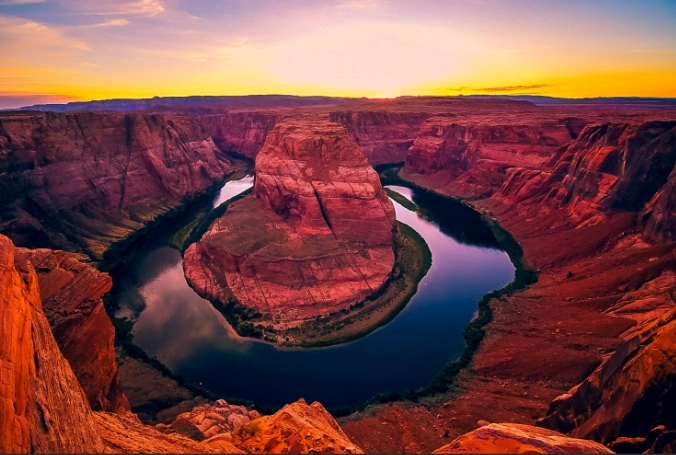
- Sunrise: The overlook faces west, so the canyon is in shadow. But! The light on the eastern landscape behind you is stunning, and you'll have the place almost to yourself. It's peaceful and cool.
- Late Afternoon to Sunset: This is the classic, famous time. The sun illuminates the entire canyon wall, turning it golden and then red. It's spectacular for photography. It's also the most crowded. Get there at least 90 minutes before sunset to secure a good spot.
- Midday: Generally not recommended due to harsh light and heat. The one advantage? The sun is high enough to light up the river, making that famous emerald green really pop in photos.
Capturing the Shot: Photography Tips That Actually Work
Everyone wants that perfect Horseshoe Bend photo. Here’s how to move beyond the snapshot.
The Gear Question: You can get a great shot with a modern smartphone using panorama mode. But if you have a DSLR or mirrorless camera, a wide-angle lens (16-35mm on a full-frame camera) is ideal. A standard kit lens (18-55mm) will work too—you'll just take a few steps back.
The Safety Talk First: People have died falling from the edge. There are no guardrails for most of the overlook. Set up your shot well back from the edge. Use your zoom. If you want a photo near the edge, have a friend hold onto you and do not walk backward. The rock can be sandy and slippery.
Top Vantage Points for Different Shots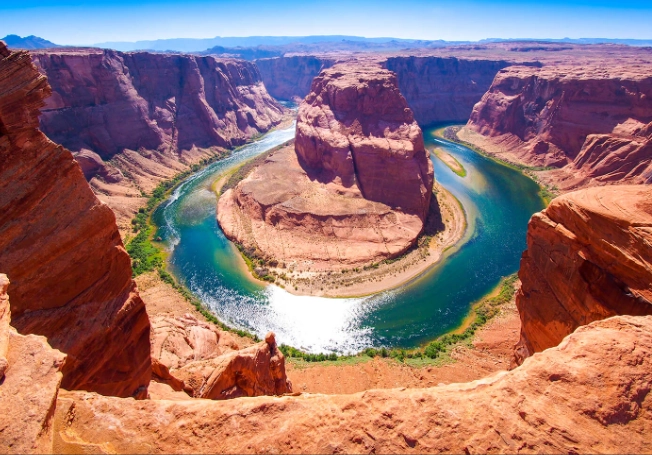
- The Main Platform (Lower): The classic, head-on view. It's crowded at sunset, but it's classic for a reason.
- The Upper Ridges (North & South): If you walk north or south from the main platform, you can find slightly higher perches. These offer a more three-quarter view, showing more of the river's approach. Fewer people up here.
- For the Brave/Experienced (Extreme Caution): Some photographers scramble down a bit on the lower rocks to the south of the platform to get a foreground element. This is risky and not recommended for most.
Composition Tricks: Try to include a person in the shot for scale—it makes the immense size of Horseshoe Bend hit home. Wait for a boat on the river (they look like tiny specks) to add a sense of life and movement. And don't just shoot at the canyon—turn around at sunset! The sky behind you can erupt in color.
My personal favorite shot? An hour after sunset. The crowd has left, the sky turns a deep blue, and the lights of Page start to twinkle in the distance. It's a completely different, serene mood.
Beyond the Overlook: Tours and Alternative Experiences
What if you don't just want to look from above? What if you want to be in the bend?
That's where tours come in. Several companies in Page offer boat tours from the Glen Canyon Dam that go upriver into Horseshoe Bend. You get a totally different, awe-inspiring perspective looking up at the 1,000-foot walls. Kayak tours are also available for the more adventurous, letting you paddle into the quiet heart of the curve.
Honestly, I haven't done the boat tour yet—it's on my list for next time. Friends who have done it say it's worth every penny to complete the experience. You can find licensed operators through the Glen Canyon National Recreation Area website, which is a reliable source for vetted guides.
Frequently Asked Questions (The Real Ones People Ask)
Let's cut through the noise and answer the questions I get asked most often.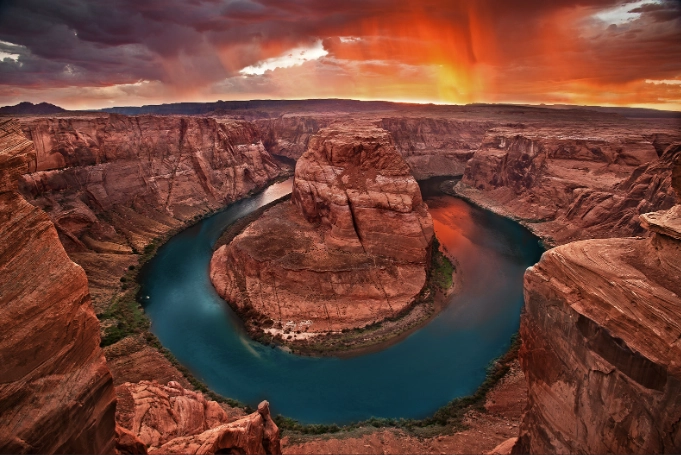
Is it free? How much does it cost?
No, it's not free. There's a parking fee. As of my last visit, it was $10 per car, motorcycle, or RV. They take credit cards. The money goes to maintaining the parking lot, restrooms, and the trail—and trust me, those porta-potties and shaded rest areas are worth it.
Are there bathrooms?
Yes, there are portable restrooms at the parking lot. There are no facilities at the overlook itself. Go before you start the hike.
Can I bring my dog?
Technically, yes, dogs on leashes are allowed. But I would strongly advise against it during hot months. The sand and rock will burn their paws, and they are just as susceptible to heatstroke. If you must bring them, go at the coolest time of day and consider protective booties.
Is it safe for kids?
Yes, but with extreme vigilance. The hike is manageable for school-age kids. The danger is entirely at the unguarded cliff edge. Hold hands tightly near the edge, and set very clear boundaries. It's not a place to let them run free.
What about drones?
Drone use is prohibited at Horseshoe Bend. It's within the Glen Canyon National Recreation Area flight restrictions. The noise also ruins the experience for others. Don't be that person.
What else is nearby?
Page is a hub. You're minutes from the otherworldly Antelope Canyon (which requires a guided tour, book well in advance). Lake Powell is right there for swimming, boating, or just cooling off. The Glen Canyon Dam offers interesting tours. You can make a fantastic 2-3 day trip out of this corner of Arizona.
The Final Word: A Reminder on Respect
Horseshoe Bend isn't a theme park. It's a fragile desert ecosystem on the edge of a vast wilderness. The social media boom has put incredible pressure on it.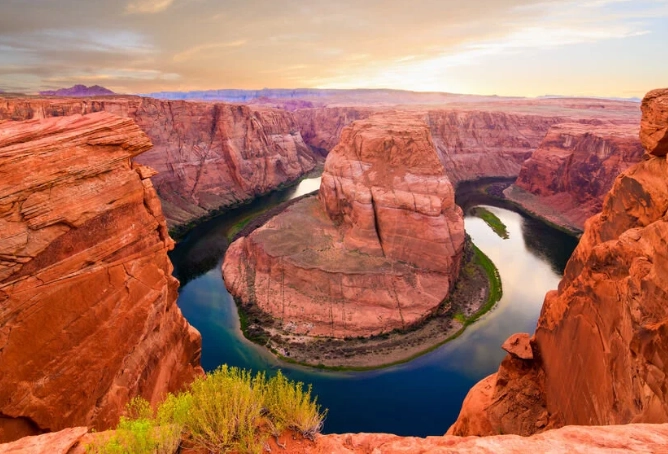
Take all your trash with you. Stay on the designated trail to protect the cryptobiotic soil (that black, crusty soil that holds the desert together—stepping on it kills it for decades). Respect the silence. And for heaven's sake, respect the edge. No selfie is worth your life.
Visiting Horseshoe Bend is a privilege. It's a stark, beautiful reminder of the power of water and time. With a little planning and a lot of respect, it can be one of the most memorable stops on any Southwest adventure. Just remember the water, respect the sun, and take a moment to really look—not just through your viewfinder, but with your own eyes.
See you on the trail.
Reader Comments