Explore the Journey
- The Short Answer: It's All About Water Finding a Crack
- The Detailed Breakdown: The Step-by-Step Process
- Factors That Make a Slot Canyon “World-Class”
- Slot Canyons vs. Other Canyons: What's the Difference?
- Where in the World Can You Find Them?
- Your Burning Questions Answered (FAQs)
- Why Understanding Formation Matters for Your Visit
You've seen the pictures. Those impossibly narrow, sinuous corridors of rock, with sunlight filtering down from a slit high above, painting the walls in waves of orange and red. Places like Antelope Canyon in Arizona look almost otherworldly. The first time I stood at the mouth of one, ready to squeeze through, my main thought was: how on earth does this even happen? How are slot canyons formed in such a precise, almost artistic way? It seemed too deliberate to be random.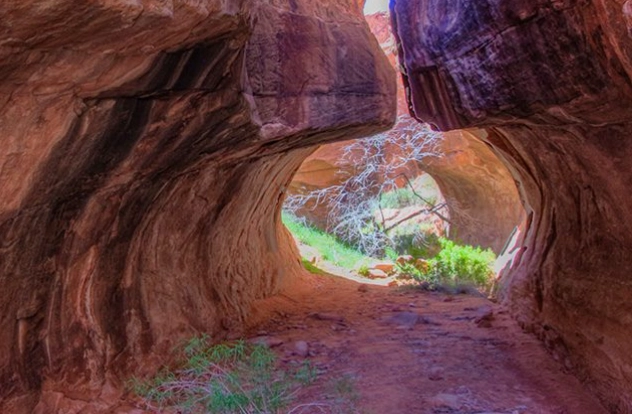
It's not magic, though it feels like it. The process is a spectacular, slow-motion battle between rock and water, a story written over millions of years. If you're curious about the geology behind these natural cathedrals, you're in the right place. We're going to ditch the overly complex textbook explanations and break down exactly how are slot canyons formed, step by step, in a way that actually makes sense. We'll also talk about where to find them, why they're so dangerous (a seriously important point most articles gloss over), and what you need to know before you visit one.
The Short Answer: It's All About Water Finding a Crack
Let's cut to the chase. The fundamental answer to how are slot canyons formed is deceptively simple: water erodes rock. But not just any water, and not just any erosion. We're talking about repeated, violent flash floods rushing through a pre-existing crack or joint in a layer of rock. This isn't a gentle river carving a wide valley over time. This is a high-pressure, sandblasting firehose of debris-charged water focused on a single, weak spot.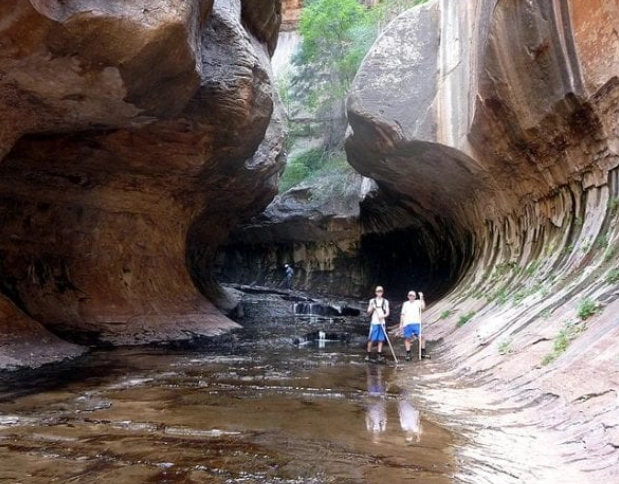
The key is the constriction. Because the water is forced into such a narrow space, its velocity and erosive power increase dramatically. It's this focused power that allows it to cut down much faster than it cuts wide, creating those characteristic deep, narrow channels where you can often touch both walls at once.
The Detailed Breakdown: The Step-by-Step Process
Okay, the simple answer is good, but the real story is better. Understanding how are slot canyons formed requires looking at a multi-stage geological drama. It's not one event; it's a cycle.
Stage 1: The Canvas - The Right Kind of Rock
This is the non-negotiable starting point. Not all rock can become a slot canyon. The perfect candidate is relatively homogeneous and soft enough to erode, but cohesive enough to hold a vertical wall without immediately collapsing. The rock stars of the slot canyon world are:
- Sandstone: The absolute classic. Its cemented sand grains are hard enough for structure but soft enough for water to work on. Navajo Sandstone in the Southwest US is the poster child.
- Limestone: Often dissolved slightly by slightly acidic water (a process called chemical weathering) which helps initiate cracks.
- Granite/Basalt: Less common, but can form in areas with massive, jointed formations. They're harder, so the process takes much, much longer.
I've seen canyons in softer rock, and honestly, they often look messier—more crumbly and less sculpted. The best, most photogenic slots need that Goldilocks rock: not too hard, not too soft.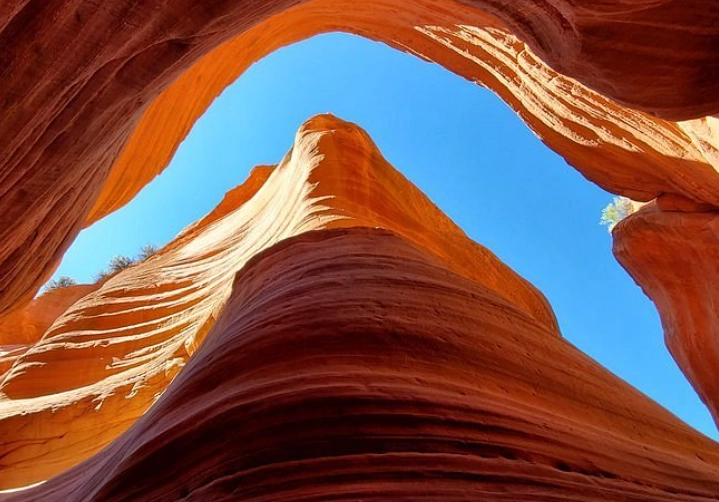
Stage 2: The Blueprint - Cracks and Joints
Water needs a place to start. It doesn't just punch a hole in solid rock. The initial pathways are usually natural fractures. These can be:
- Joints: Cracks from tectonic stresses as the rock cools or is uplifted. Picture the hexagonal columns at Giant's Causeway—those are joints.
- Faults: Planes where rock has actually moved past itself.
- Bedding Planes: The natural horizontal layers between different sedimentary deposits, which are often weaker.
Rainwater and snowmelt seep into these cracks. In colder climates, freeze-thaw cycles wedge them open further. This is the preparatory phase, creating the initial weakness that the big floods will exploit.
Stage 3: The Sculptor - Flash Flood Erosion
This is the main event. In arid and semi-arid regions (where most slot canyons are found), rainfall is infrequent but intense. A thunderstorm miles away on a mesa top can send a wall of water rushing down dry washes and into the nascent crack.
The floodwater isn't clear. It's a thick, abrasive slurry of mud, sand, gravel, and even boulders. This “bed load” is the cutting tool. As the slurry is funneled through the narrow crack:
- Abrasion: The sediment literally sandpapers the walls, smoothing and widening them over time.
- Potholing: Swirling currents drill circular potholes into the floor, which eventually connect and deepen the channel.
- Undercutting: Water erodes the base more than the top, leading to those dramatic overhangs and sinuous curves.
The flood recedes, leaving behind debris. Then it waits. The next flood, maybe years later, does it again. This episodic, catastrophic erosion is the primary chisel.
Stage 4: The Finishing Touches - Secondary Processes
Once the basic slot is carved, other forces add character:
- Wind: Blows sand through the canyon, contributing to minor abrasion, especially near the top.
- Chemical Weathering: In some rocks, water can dissolve mineral cement. You sometimes see honeycomb-like patterns called “tafoni” from this.
- Mass Wasting: Occasionally, a chunk of wall will collapse. This is rare in well-cemented rock but widens the canyon when it happens.
Factors That Make a Slot Canyon “World-Class”
So, we know the basic recipe. But why are some slot canyons just ditches and others like Antelope Canyon so breathtaking? A few special ingredients elevate the process.
| Factor | Why It Matters | Real-World Example |
|---|---|---|
| Rock Composition & Color | Iron oxides (rust) create reds and oranges. Manganese adds purples and blacks. Homogeneous rock allows for smooth walls. | Navajo Sandstone (Antelope Canyon) is rich in iron, giving its iconic warm hues. |
| Joint Pattern | Parallel, vertical joints lead to straight canyons. Curved or intersecting joints create twists, turns, and chambers. | The Wave (Coyote Buttes) follows swirling cross-bedding, not straight joints. |
| Sediment Load | More and harder sediment in floodwater means faster, more sculptural erosion. | Canyons near volcanic areas may have harder basalt chunks as cutting tools. |
| Hydraulic Action | The sheer force of compressed, air-pocketed water can hammer and fracture rock, especially at constrictions. | This creates those “keeper potholes” that are deep and smooth. |
| Rate of Uplift | If the land is rising relatively quickly, the water cuts down faster, creating deeper, more dramatic slots. | The Colorado Plateau's regional uplift supercharged canyon formation across the Southwest. |
It's the combination of these factors that creates the masterpieces. The rock has to be colorful, the joints interesting, the floods powerful but not *too* destructive, and the whole area needs to be geologically active enough to keep the process going. It's a fragile balance.
Slot Canyons vs. Other Canyons: What's the Difference?
People get confused. Is the Grand Canyon a slot canyon? Not even close. Here’s the quick breakdown.
A river canyon (like the Grand Canyon) is wide relative to its depth, carved by a perennial river over eons. It's a slow, steady widening. A slot canyon is deep relative to its width (often just a few feet wide but hundreds of feet deep), carved by episodic flash floods through fractures. The energy is focused, not dispersed.
Another key difference? You can usually see the sky in a river canyon. In a deep slot canyon, you often can't. You're in a subterranean world of rock.
Where in the World Can You Find Them?
While the desert Southwest of the United States is the global Mecca (Arizona, Utah, Nevada, New Mexico), they exist on every continent except Antarctica. The recipe just needs the right conditions: the right rock and periodic, intense water flow.
- USA: The Colorado Plateau is the undisputed king. Think Zion N.P., Grand Staircase-Escalante, Lake Powell region. The National Park Service page on Glen Canyon has great info on the geology of the region.
- Australia: The outback has spectacular slots in places like Karijini National Park.
- Europe: Gorges du Verdon in France has sections, though it's often wider.
- Middle East: Wadis in Jordan and Israel can form slot-like sections.
The US concentration is simply because the Colorado Plateau has a perfect storm of all the factors: vast deposits of beautiful sandstone, a recent geologic uplift, and a monsoon-season climate that provides the violent floods.
Your Burning Questions Answered (FAQs)
How long does it take for a slot canyon to form?
This is the million-year question. A modest slot canyon can form in “just” tens of thousands to hundreds of thousands of years under ideal conditions. The major, deep ones like Antelope Canyon likely started forming 1-2 million years ago. But remember, they're not done. A single major flood can change the floor level or a wall feature noticeably.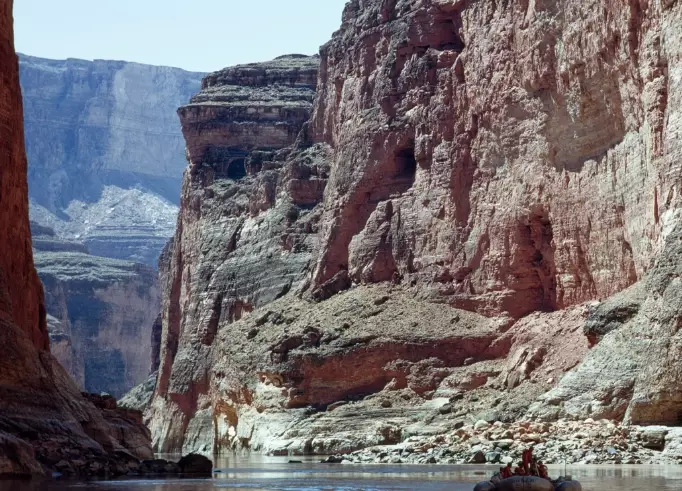
Are slot canyons dangerous to explore?
Yes. Full stop. This is the #1 user pain point. Their beauty masks their danger. The primary risk is flash flooding. You can be under a completely blue sky and be drowned by a wall of water from a storm 20 miles away. Other risks include hypothermia (water can be icy cold), falls on slippery rock, and getting stuck in tight passages. Always, always check the weather forecast upstream, never go during rain or if rain is predicted, and tell someone your plans. Better yet, go with a licensed guide who knows the canyon's specific dangers.
What's the best time of day/year to visit for photos?
The famous light beams happen when the sun is high enough to shine directly down into the slot. This typically means late morning to mid-afternoon in the summer months (May-September). But that's also monsoon season, so flood risk is highest. Spring and fall offer a safer compromise with softer, reflected light that still shows off the colors beautifully. Winter light is low and often can't reach the floor of deep slots.
Can you visit Antelope Canyon on your own?
No. Upper and Lower Antelope Canyon are on Navajo Nation land and require a guided tour. This is non-negotiable and for good reason—it protects a fragile site and ensures visitor safety. There are, however, many amazing slot canyons on BLM or National Forest land that you can explore independently if you have the skills, permits, and weather awareness.
What should I wear/bring into a slot canyon?
Forget fashion. Think function. Sturdy, closed-toe shoes with grip (hiking boots or approach shoes). Quick-dry pants. A hat for the approach. Bring more water than you think you need. A headlamp (even for day hikes—some sections are dark). A small first-aid kit. A weather radio. And for goodness sake, do not bring a massive backpack—you'll get stuck. The Bureau of Land Management's recreation safety page has excellent general tips for desert hiking that apply directly to canyon exploration.
Why Understanding Formation Matters for Your Visit
Knowing how are slot canyons formed isn't just trivia. It changes how you experience them.
You start to read the canyon. You see the smooth, polished walls and understand it's the sandblasting effect. You notice the potholes and imagine the swirling vortex that drilled them. You see a debris pile of logs and rocks wedged 30 feet up a wall, and you get a chilling sense of the flood power that put it there. You appreciate the colors as mineral stains, not just random paint.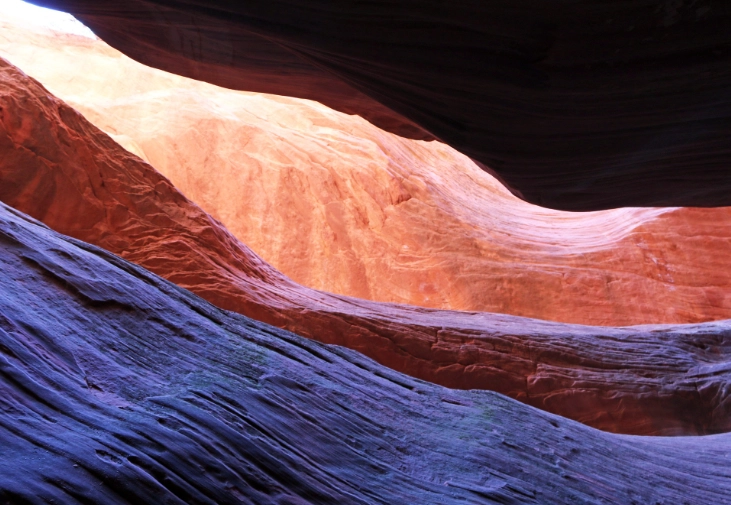
It turns a pretty hike into a geological journey. You're walking through a timeline of violence and patience. You develop a respect that goes beyond “cool rocks.” You understand the environment you're in, which is the first step to staying safe in it.
If you want to dive even deeper into the specific geology of the most famous canyon-forming region, the U.S. Geological Survey's page on the Colorado Plateau geology is an authoritative, if more technical, resource. It lays the grand foundation for all the processes we've talked about here.
So there you have it. Not just the how, but the why, the where, and the “be careful.” Go out, explore with new eyes, and stay safe. The canyons aren't going anywhere soon—they're just getting deeper.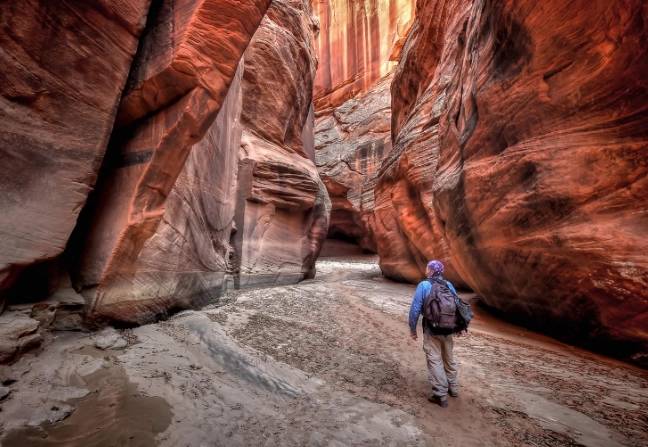
Reader Comments