Hiking Highlights
- Why Hike Here? What Makes the San Juans Special
- The Crown Jewels: Top San Juan Mountains Hiking Trails
- Planning Your San Juan Mountains Hiking Trip: The Nitty-Gritty
- What to Pack: The Non-Negotiables
- Safety and Etiquette: Playing It Smart
- Basecamp Towns: Where to Stay and Refuel
- Common Questions (The Stuff You're Actually Wondering)
- Final Thoughts From the Trail
Let's talk about the San Juan Mountains. If you're even remotely into hiking, backpacking, or just staring at ridiculously beautiful scenery, this corner of Colorado should be at the top of your list. I'm not just saying that because it's pretty—I've spent weeks out there, gotten lost (briefly, don't worry), been humbled by the altitude, and had my jaw drop more times than I can count. This isn't your average weekend hill walk. Hiking in the San Juan Mountains is a full-on adventure that demands respect and rewards you with some of the most dramatic landscapes in the Lower 48.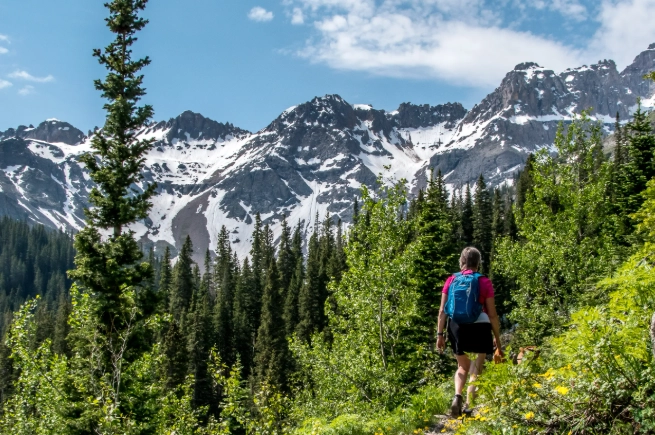
Picture this: jagged, rusty-red peaks that look like they belong in the Andes, wildflower meadows that go on forever, alpine lakes so clear and cold they take your breath away (literally and figuratively), and remnants of the area's mining history scattered around like a ghost story. That's what you're signing up for.
But here's the thing. A lot of guides just list the trails. They tell you to go to Ice Lakes Basin (which you should) and call it a day. I want to give you more than that. I want to help you understand what makes this place special, how to actually prepare for it, and how to have a safe, incredible time out there. Because a bad day in the San Juans can get real, real fast if you're not ready.
Why Hike Here? What Makes the San Juans Special
First off, the scale is different. This is the most extensive and rugged mountain range in Colorado. We're talking about vast wilderness areas, not just a single peak. The geology is wild—volcanic activity millions of years ago created these crazy spires and colorful rock layers. You get a mix of everything: sheer cliffs, gentle passes, dense forests, and open tundra.
The hiking here feels more remote, even on popular trails. You get a sense of solitude that's harder to find in, say, Rocky Mountain National Park. It's also a haven for wildlife. I've seen more marmots and pikas here than anywhere else, always keeping an eye out for the occasional black bear or elk.
But the real magic? The light. When the afternoon sun hits those red and orange peaks, especially around fall when the aspens are turning gold... man, there's nothing like it. It's a photographer's dream and a hiker's paradise rolled into one.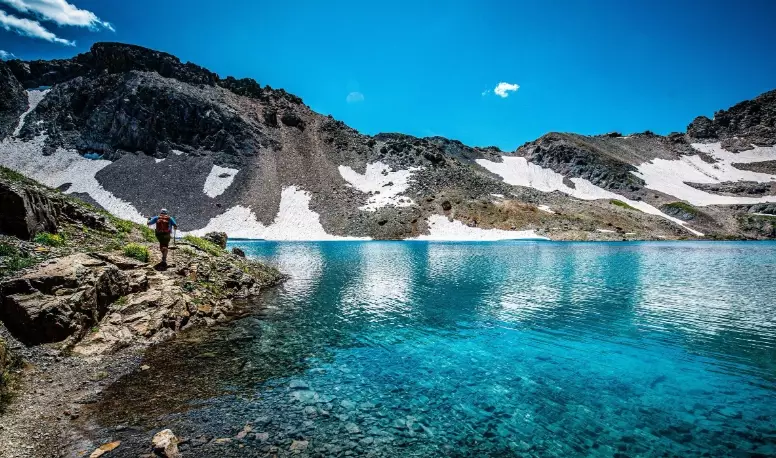
The Crown Jewels: Top San Juan Mountains Hiking Trails
Okay, let's get to the trails. Picking favorites is tough, but based on my own boots-on-the-ground experience and talking to countless other hikers, here are the ones that consistently blow people's minds. Remember, "difficulty" here is heavily influenced by altitude. A "moderate" 8-miler at 11,000 feet feels very different than one at sea level.
| Trail Name | Location (Nearest Town) | Round-Trip Distance | Elevation Gain | Key Features & My Take |
|---|---|---|---|---|
| Ice Lakes Basin | Near Silverton | ~7.5 miles | ~2,500 ft | The poster child for a reason. Turquoise alpine lakes, wildflowers galore, insane views. Extremely popular—go on a weekday or very early. The final climb to the upper basin is a leg-burner. |
| Blue Lakes Trail | Near Ridgway | ~6.5 miles to Lower Lake | ~1,600 ft | A slightly more accessible gem. Stunning blue-green lakes at the base of Mount Sneffels. Great for strong beginners. The water color is unreal, like someone dropped food coloring in it. |
| Chicago Basin (via Needleton) | Weminuche Wilderness (access via Durango & Silverton Narrow Gauge Railroad) | ~18 miles (multi-day) | ~4,000 ft | This is a proper backpacking adventure. You take a historic train to the trailhead! Home to herds of mountain goats and multiple 14ers. A commitment, but the experience is unmatched. |
| Highland Mary Lakes | Near Silverton | ~5.5 miles | ~1,400 ft | My personal "hidden" favorite (though it's not so hidden anymore). A string of beautiful lakes, fewer crowds than Ice Lakes, and absolutely breathtaking views of the surrounding peaks. The initial climb is steady but manageable. |
| American Basin to Handies Peak | Lake City / Alpine Loop | ~5.5 miles (to summit) | ~2,500 ft | Want to bag a 14er? Handies is often called the "easiest" in the San Juans. "Easiest" is relative—it's still a 14er! American Basin in July is a carpet of wildflowers. A great intro to high peak climbing. |
See what I mean? The variety is insane.
You've got your iconic day hikes (Ice Lakes), your perfect intro trails (Blue Lakes), and your epic multi-day expeditions (Chicago Basin). There's a San Juan Mountains hiking route for every ambition level, as long as you're honest about your fitness and acclimation.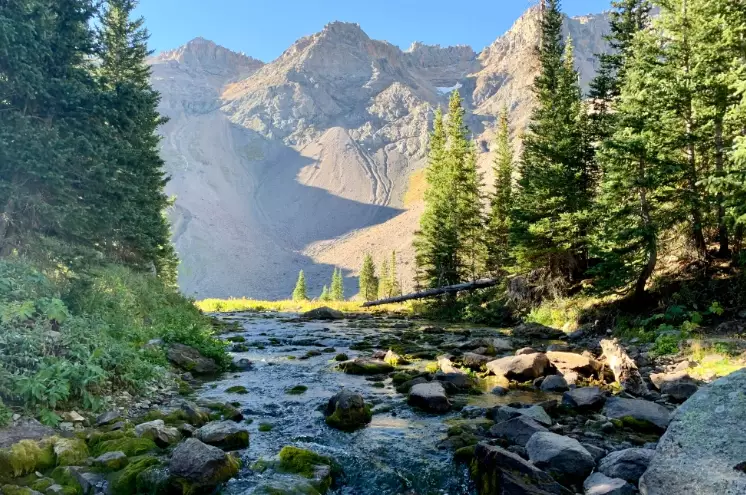
Beyond the Top 5: Other Can't-Miss Routes
The list doesn't stop there. If you have more time, or if the main trails are swamped, consider these:
- Vestal Basin (via Molas Pass): For the truly ambitious. A long approach to some of the most dramatic and iconic peaks in the range, the Trinities. This is serious, remote wilderness hiking.
- Crater Lake (near Telluride): Don't confuse it with the Oregon one! This is a steep but short hike leading to a dramatic lake nestled under the towering peaks of the Telluride ski area. The view from the lake back down the valley is worth every step.
- Alpine Loop Scenic Byway 4x4 Roads: Not a traditional hike, but hear me out. If you have a high-clearance 4WD vehicle, driving parts of the Alpine Loop (like Engineer Pass, Cinnamon Pass) gives you access to incredible high-alpine trailheads and views with minimal walking. It's a cheat code for altitude-weary legs or less-mobile companions. Check road conditions with the US Forest Service first—these are serious roads.
Planning Your San Juan Mountains Hiking Trip: The Nitty-Gritty
This is where most generic guides fall short. They don't tell you how to actually prepare. Let's break it down.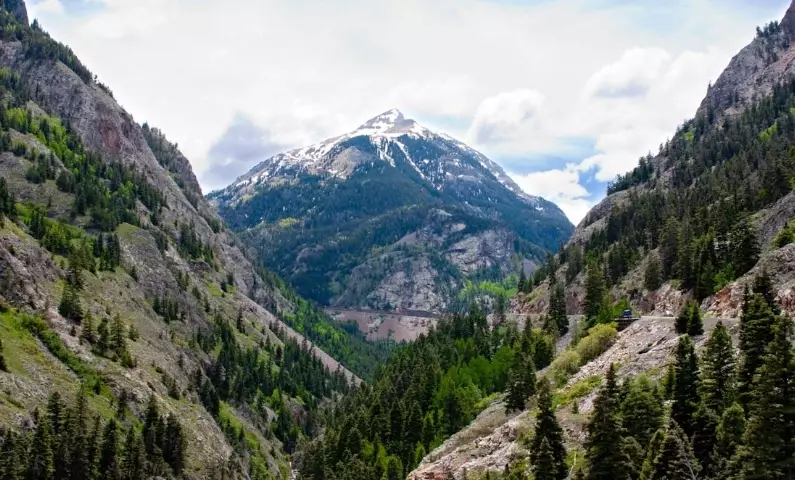
When to Go: Timing is Everything
The sweet spot is mid-July through late September.
- July: Peak wildflowers. Also peak afternoon thunderstorms. Seriously, be off the peaks by noon.
- August: Generally more stable weather, warmer temps. Still watch for storms.
- September: My favorite. Fewer people, fewer bugs, stable weather, and the fall colors start. Nights get cold. By late September, early snow is possible.
June can be iffy—you'll hit a lot of snow at higher elevations, requiring traction and route-finding skills. October is winter up high.
A crucial note on Monsoon Season (July-August): Afternoon thunderstorms are not a suggestion; they are a daily, violent certainty. Lightning is a major killer in the Colorado high country. Your schedule must revolve around this: start early (like, sunrise early), aim to be descending from summits and passes by noon, and be below treeline by early afternoon. No exceptions.
The Altitude: Your Biggest Hurdle
This is the #1 thing first-timers underestimate. Trailheads here often start between 9,000 and 11,000 feet. You'll be hiking well above 12,000 feet. Altitude sickness is real and can ruin your trip.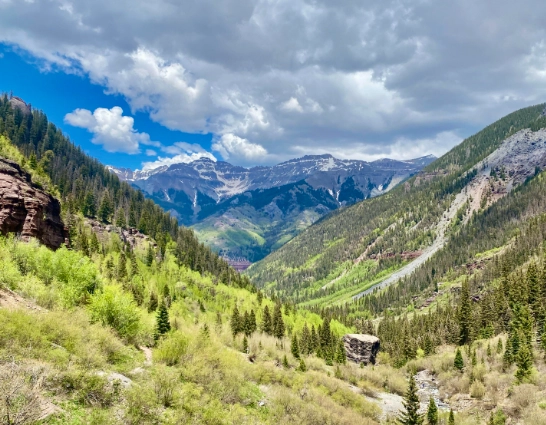
How to deal?
- Acclimate. Spend at least one full night, preferably two, at a moderate elevation (like in Durango, Ouray, or Montrose) before tackling a big hike. Don't fly in from Florida and head straight to Ice Lakes.
- Hydrate like it's your job. Drink way more water than you think you need. Avoid excessive alcohol the first couple of nights.
- Listen to your body. Headache, nausea, dizziness, extreme fatigue? That's your cue to descend. Pushing through can lead to dangerous pulmonary or cerebral edema.
- Consider discussing Diamox (acetazolamide) with your doctor before the trip if you have a history of altitude sickness.
My first big hike here, I felt like I was breathing through a straw with a 20-pound weight on my chest. I had to turn around halfway. It was humbling. Now, I always plan a lazy first day—maybe just a short walk around a lower-elevation lake—to let my body adjust. It makes all the difference.
Permits, Passes, and Red Tape
Good news: For most day hiking in the San Juan Mountains, you don't need a permit. You will need to follow Leave No Trace principles though—pack out all trash, stay on designated trails, camp at least 100 feet from water.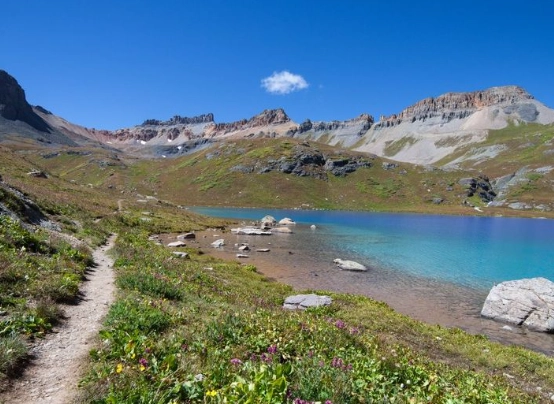
For backpacking in Wilderness Areas (like the Weminuche, the largest in Colorado), self-registration permits are often required at the trailhead. Some popular zones may have quotas. Always check the specific regulations for the area you're visiting on the San Juan National Forest website or the Grand Mesa, Uncompahgre and Gunnison (GMUG) National Forest site.
You'll likely need a parking pass. The "America the Beautiful" Interagency Annual Pass covers you at most national forest trailheads. Some specific trailheads may have their own daily fee. Have cash just in case.
What to Pack: The Non-Negotiables
Forget the fancy stuff. Here's what you absolutely cannot do a San Juan Mountains hike without:
The 10 Essentials, San Juan Edition:
- Navigation: Topographic map (paper!) and compass, plus a GPS device or phone with offline maps (Gaia GPS, AllTrails). Cell service is nonexistent in most areas.
- Sun Protection: High-altitude sun is brutal. SPF 50+, lip balm with SPF, sunglasses, and a wide-brimmed hat.
- Insulation: The weather changes in minutes. Always carry a warm layer (fleece/puffy) and a waterproof/windproof shell (rain jacket).
- Illumination: Headlamp with extra batteries. Those early starts mean hiking in the dark.
- First-Aid Kit: Include blister care (moleskin/leukotape), pain relievers, and personal medications.
- Fire: Waterproof matches/lighter and firestarter.
- Repair Kit and Tools: Multi-tool, duct tape, strap.
- Nutrition: Extra day's worth of food. High-calorie snacks are your friend.
- Hydration: More than you think. 3 liters minimum. Consider a filtration system (Sawyer Squeeze, Katadyn BeFree) to refill from streams.
- Emergency Shelter: Emergency bivy or space blanket.
And a few San Juan-specific additions:
- Microspikes: Even in August, you can encounter stubborn snowfields on north-facing slopes. A lightweight pair of traction devices can save your hike.
- Trekking Poles: A lifesaver for steep descents, creek crossings, and saving your knees.
- Bear Spray: While black bear encounters are not super common, they happen. It's good insurance and can also deter other wildlife (like moose, which can be aggressive).
Safety and Etiquette: Playing It Smart
Hiking here is incredible, but it's not a playground. A few hard rules: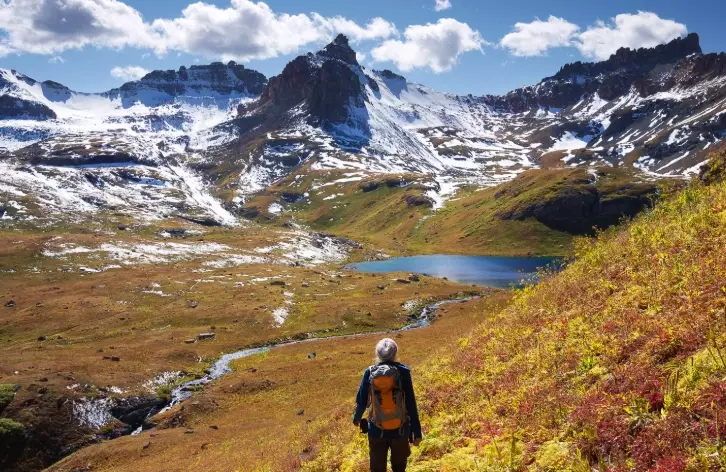
Weather Wisdom (Again, Because It's That Important)
Check the forecast from a reliable source like the National Weather Service for Grand Junction (which covers much of the area). But assume it will be wrong. Mountain weather is hyper-local. If the sky looks threatening, it is. Turn around. The mountain will be there another day.
River and Creek Crossings
In early summer, snowmelt turns creeks into raging torrents. Crossing can be the most dangerous part of your hike. If it looks too deep or fast, it is. Don't risk it. Turn back or find a safer spot upstream/downstream.
Respecting the Land and Others
- Leave No Trace. Seriously. I've seen too many wildflower patches trampled and toilet paper "flowers." Pack it out.
- Right of Way. Uphill hikers generally have the right of way. Mountain bikers yield to hikers. Everyone yields to horses.
- Parking. Park only in designated spots. Don't block gates or roads. The narrow mountain roads are not made for cars parked willy-nilly.
Basecamp Towns: Where to Stay and Refuel
Part of the charm of a San Juan Mountains hiking trip is the historic towns you get to stay in. Each has its own vibe.
- Silverton: The quintessential high-altitude mining town, raw and authentic. Great access to the north San Juans. Limited amenities but full of character.
- Ouray: "The Switzerland of America." More polished than Silverton, with amazing hot springs to soak your sore muscles after a hike. Perfect for families or those wanting more comfort.
- Telluride: Upscale and stunningly beautiful. A world-class ski resort in winter, a gorgeous hiking base in summer. Pricier, but the scenery is unbeatable.
- Lake City: The quieter, more laid-back gateway to the southern and eastern San Juans. Less crowded, fantastic access to the Alpine Loop and Slumgullion Pass areas.
- Durango: The biggest town in the region. Has everything you need (major grocery stores, gear shops, airports). A longer drive to some trailheads, but a great place to start your acclimation.
Common Questions (The Stuff You're Actually Wondering)
Final Thoughts From the Trail
Hiking in the San Juan Mountains isn't just about checking a trail off a list. It's an experience that sticks with you. The sheer scale of the landscape forces you to slow down, pay attention, and feel pretty small in the best possible way. It's challenging, sometimes frustrating (I'm looking at you, afternoon hail storms), but always, always rewarding.
Do your homework. Respect the altitude. Pack for every season in one day. And then go get lost in those incredible mountains. Just make sure you have your map so you can find your way back.
The trails are waiting. They're as good as everyone says they are.
Reader Comments