Quick Guide
Let's be honest, when you think of Arizona, you probably picture cactus, scorching heat, and maybe the Grand Canyon. But tucked away in the Tonto National Forest, there's a massive, shimmering body of water that feels almost out of place. That's Theodore Roosevelt Lake. It's Arizona's largest reservoir, and it's a world away from the desert stereotype.
I first stumbled upon it years ago on a road trip, just a blue blob on the map. What I found was this incredible, sprawling lake surrounded by rugged, beautiful hills. It's not some manicured resort spot; it's raw, it's real, and it's packed with things to do. Whether you're a hardcore angler, a family looking for a weekend campout, or just someone who wants to jet ski under a massive blue sky, this place delivers.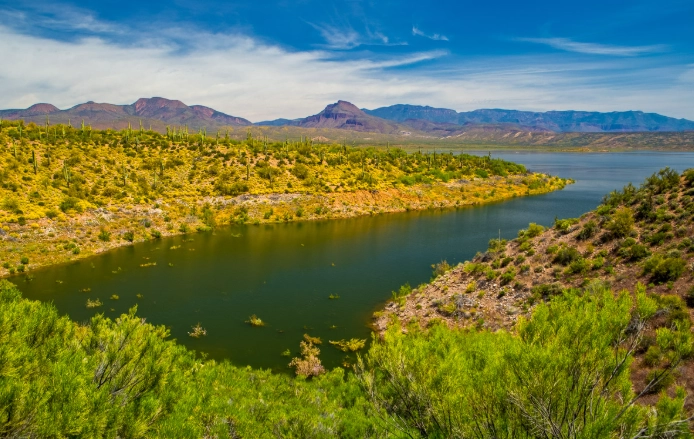
Quick Facts: Formed by the Roosevelt Dam on the Salt River, Theodore Roosevelt Lake holds over 1.6 million acre-feet of water when full. It's a cornerstone of the Salt River Project, providing water and power to the Phoenix metro area. But for us visitors, it's pure recreation.
More Than Just Water: The Story Behind the Lake
You can't really appreciate Theodore Roosevelt Lake without knowing why it's there. It wasn't born for fun. In the early 1900s, the Salt River would flood like crazy, then turn into a trickle. Farmers downstream were at the mercy of the weather. The solution? Build a dam. A big one.
The Roosevelt Dam was a marvel of its time, completed in 1911. It was the tallest masonry dam in the world back then. They named the reservoir after President Theodore Roosevelt, who was a huge supporter of the Reclamation Act that made projects like this possible. The dam tamed the river, stored water for irrigation, and later generated hydropower. The lake that formed behind it was almost a happy accident for recreation.
The dam was even heightened in the 1990s, which expanded the lake's capacity. You can drive across the top of the dam on State Route 188—the views are incredible, and it's a direct link to the past. The whole history gives the place a sense of purpose you don't get at a random pond.
Driving across that dam for the first time, with the lake stretching out on one side and the dam structure on the other, it hits you. This isn't natural. Humans built this. It's a weird mix of awe at the engineering and appreciation for the playground it created.
What Can You Actually Do at Theodore Roosevelt Lake?
Okay, history lesson over. Let's get to the good stuff. What brings most people to Theodore Roosevelt Lake? The activities. And boy, are there options.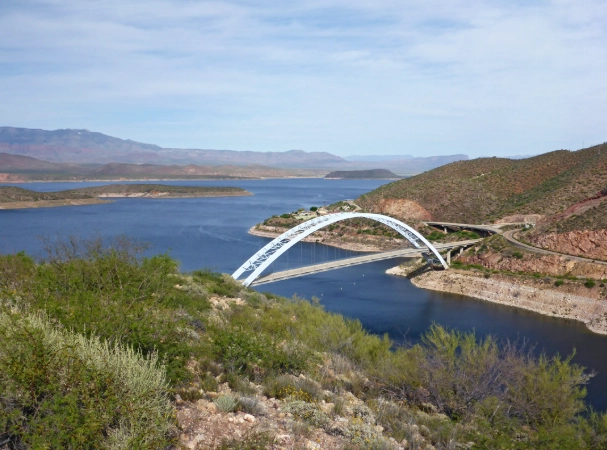
Fishing: The Main Attraction
If you talk to any regular, fishing is king here. The lake is famous for its bass. We're talking largemouth, smallmouth, and even spotted bass. The Arizona Game and Fish Department stocks it regularly, and the structure—sunken trees, rock piles, old river channels—makes it a bass angler's dream. But it's not just bass.
- Top Catches: Largemouth Bass, Smallmouth Bass, Crappie, Yellow Bass, Channel Catfish, Flathead Catfish.
- Best Time: Spring and fall are legendary for bass. The pre-spawn and fall feed are crazy good. Summer means early mornings or late evenings, unless you like the midday heat.
- My Two Cents: Don't sleep on the yellow bass. They school up, and when you find them, it's non-stop action. Great for kids or if you just want to catch a bunch of fish.
You'll need an Arizona fishing license, which you can get online in minutes from the Arizona Game and Fish Department. Their website also has the most current fishing reports for Roosevelt Lake, which is gold for planning your trip.
Camping: From RV Luxury to Bare Bones
This is where you really get to know the lake. Waking up to the water right outside your tent or RV is the whole point. Options vary wildly.
| Campground | Best For | Amenities | My Take |
|---|---|---|---|
| Cholla Campground | Families, RVers | Flush toilets, showers, boat ramp, some sites with hookups. | The most developed. Gets busy, especially on holidays. Good if you need comforts. |
| Windy Hill Campground | Boaters, larger groups | Boat ramp, vault toilets, more spacious sites. | Great lake access. Feels a bit more spread out. Can be, well, windy. |
| Graduate Campground | Quiet, scenic views | Vault toilets, no water hookups. | Smaller, quieter, with killer views of the dam. More primitive vibe. |
| Dispersed Camping (Tonto NF) | Adventure, solitude | None. Pack it in, pack it out. | My personal favorite for short trips. Find your own spot along the shore. No fees, no neighbors. Requires self-sufficiency. |
For the developed campgrounds, reservations are a must from fall through spring. Summer? You can often roll the dice, but it's still smart to check. The Recreation.gov site is your hub for booking Cholla and Windy Hill.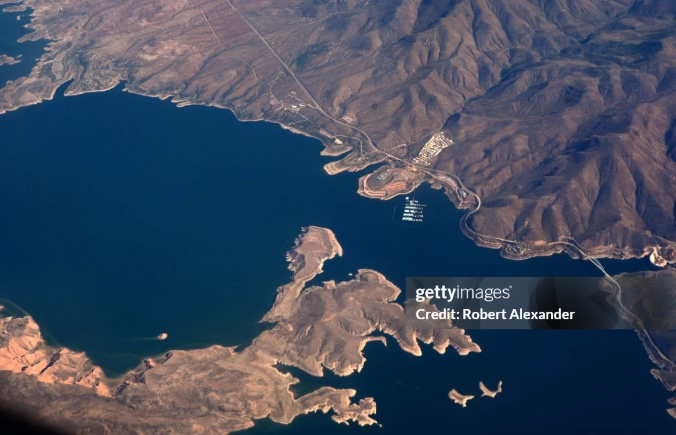
Pro Tip for Dispersed Camping: Get a good map of the Tonto National Forest. The roads close to the water can be rough—high clearance is recommended, and 4WD is a peace-of-mind bonus after rain. Always camp on durable surfaces and be 200+ feet from the water's edge where possible.
Boating and Water Sports
The size of Theodore Roosevelt Lake is its blessing for boaters. You've got room. Miles of room. Five main launch ramps service different parts of the lake.
- Water Skiing & Wakeboarding: The main body, especially on weekdays, can be glassy and perfect.
- Jet Skiing & Kayaking: Explore coves and inlets. The northern arms of the lake are quieter for paddling.
- Sailing: Yes, sailing! The afternoon winds can be strong and steady, making for great sails.
Just remember, the lake level fluctuates. A lot.
It's a reservoir, so it goes up and down with water demand and snowmelt. A cove that's perfect for anchoring in April might be a mudflat in June. Always check the current lake level on the U.S. Bureau of Reclamation's website before you finalize your boating plans. It affects which ramps are usable and where you can navigate.
Hiking and Exploring Ashore
Got tired of the water? The surrounding Tonto National Forest has trails. They're not the lush, shaded hikes you might find further north. This is desert hiking—rugged, exposed, and stunning in its own way.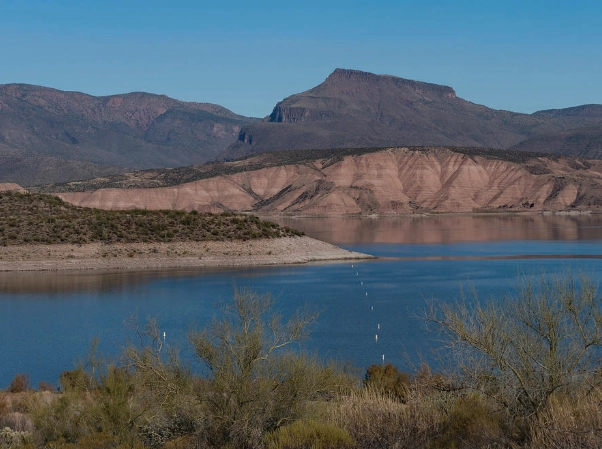
The Bush Highway Tonto National Monument (not to be confused with the lake-side trails) is a short drive away and has well-preserved cliff dwellings—a totally different, cultural side-trip. For lake-specific views, ask around at the marinas for informal trails leading to bluffs overlooking Theodore Roosevelt Lake.
Planning Your Trip: The Nitty-Gritty Details
This is the stuff that makes or breaks a trip. Let's get practical.
Best Time to Visit Theodore Roosevelt Lake
This is the million-dollar question. There is no single "perfect" time—it depends on your tolerance.
- Spring (March-May): The gold standard. Wildflowers, perfect temps (70s-80s °F), great fishing. This is when everyone wants to be here, so campgrounds are packed.
- Summer (June-August): Hot. We're talking 100+ °F (38+ °C) regularly. It's a dry heat, but it's intense. Boating at dawn/dusk is lovely. Midday is for napping in the shade or being in the water. Crowds thin out.
- Fall (Sept-Nov): Another fantastic window. Heat breaks, water's still warm, fishing picks up again. Less crowded than spring.
- Winter (Dec-Feb): Mild days, cold nights. You can have the place almost to yourself. Some facilities have reduced services. Not for swimming, but fine for fishing from a boat or hiking.
What to Pack (The Non-Obvious Stuff)
Everyone knows sunscreen and water. I'm talking about the things you'll kick yourself for forgetting.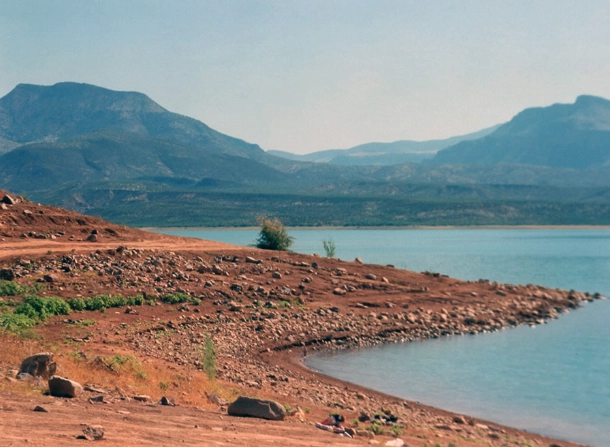
- Windbreaker/Jacket: Even on hot days, the breeze on the water or at night can be chilly.
- Water Shoes: The shoreline can be rocky or muddy. Protect your feet.
- Extra Anchoring Gear: If you're boating. The lake bottom can be hard, and winds can kick up. A second anchor isn't a bad idea.
- Cash: Some of the smaller marina stores or ice vendors might prefer it.
- A Good Map (Physical or Offline): Cell service is spotty to non-existent around much of Theodore Roosevelt Lake. Don't rely on Google Maps in real-time.
I learned the cell service lesson the hard way. Trying to find a specific dispersed campsite with a dead phone was not fun. Now a paper map of the Tonto NF lives in my truck.
Getting There and Getting Around
Theodore Roosevelt Lake is about 80 miles east of Phoenix. Taking the US-60 east to SR-188 is the most common route. It's a beautiful drive that makes you feel like you're leaving the city behind.
Once you're there, SR-188 is the main artery.
It loops around a good portion of the lake, connecting the dam, the main campgrounds, and the small community of Roosevelt. Gas is available in Roosevelt or at the marina, but it's pricier than in Phoenix—fill up before you get too deep into the forest.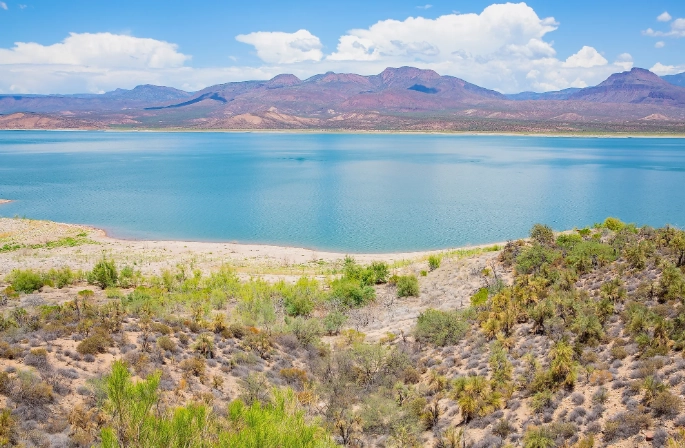
Answering Your Burning Questions (FAQs)
Can you swim in Theodore Roosevelt Lake?
Absolutely. There are no designated "swimming beaches" with lifeguards, so it's at your own risk. The water is clean and refreshing, especially in summer. Just watch for boat traffic, be aware of underwater obstacles, and remember that the water can be deep very quickly off shore. Always supervise kids closely.
Are there houses or rentals on the lake?
Not really. This isn't a lake covered in vacation homes. There's some private land, but most of the shoreline is part of the Tonto National Forest. Your options are camping or finding a cabin or vacation rental in the nearby town of Payson (about a 45-minute drive away). For true lakefront living, you bring your tent or RV.
Is the lake good for kayaking or paddleboarding?
It's excellent, but with a big caveat: the wind and size. A calm morning paddle is heaven. By afternoon, winds can whip up whitecaps on the main body that would challenge an experienced paddler. Stick to the more protected coves and inlets, and always wear your life jacket. Check the weather and wind forecast religiously.
What's the deal with the "bathtub ring"?
Ah, the classic reservoir sight. Because the water level at Theodore Roosevelt Lake changes so much, you'll see a distinct light-colored "ring" around the shoreline on the rocks. It's mineral deposits left behind as the water recedes. It's perfectly natural, just a visual reminder that this is a managed reservoir, not a natural lake. Some people find it unsightly; I think it tells the story of the lake's purpose.
The Final Word: Is Theodore Roosevelt Lake Worth It?
If you're looking for a polished, resort-style lake vacation with fancy restaurants and boardwalks, this isn't it. Go somewhere else.
But if you want a massive, raw, incredibly scenic playground where you can fish, boat, camp, and just escape under a huge sky, then Theodore Roosevelt Lake is absolutely worth it. It has its quirks—the heat, the wind, the fluctuating water, the basic facilities. But that's part of the charm. It feels real. It feels like Arizona.
The key is going in with the right expectations. Plan ahead, especially for camping. Pack for all conditions. Respect the desert environment and the power of the water. Do that, and you'll discover why so many people, myself included, keep going back to this giant oasis in the desert.
Before You Go Final Check: 1) Check lake levels & ramp status via USBR. 2) Book your campsite or scout your dispersed area. 3) Buy your fishing license online. 4) Check the weather AND wind forecast. 5) Tell someone your plans and when you'll be back.
Honestly, my biggest piece of advice? Put the phone away. Soak in the views, the quiet (broken by the laugh of a loon or the splash of a fish), and the sheer scale of it. That's what you'll remember.
Reader Comments