Guide Highlights
So you're planning a trip and the question pops up: what cities are in the San Juan Mountains? It's a fantastic question because the answer isn't as straightforward as you might think. The San Juans, sprawled across southwestern Colorado, are famous for their rugged peaks, incredible mining history, and some of the most stunning scenery in the Lower 48. But you won't find a sprawling metropolis here.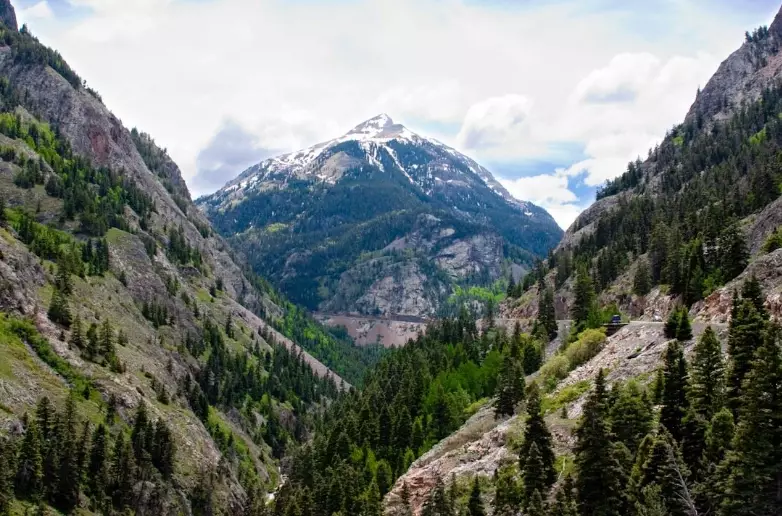
Instead, you find a collection of historic, charismatic, and sometimes tiny towns nestled in deep valleys or perched on high passes. Each one has its own soul. I've spent a lot of time driving the Million Dollar Highway, hiking the trails, and yes, getting a bit lost on some backcountry roads. The charm of these places isn't in their size, but in their character and their direct connection to the wild mountains surrounding them.
This guide is going to walk you through every significant settlement you can consider a part of this magnificent range. We'll cover the famous spots, the hidden gems, how to get to them, what makes each one special, and frankly, what some of their downsides are. Because no place is perfect, and knowing the full picture helps you plan a better trip.
The Major Hubs: The Heart of the San Juans
These are the places you've most likely heard of. They are the anchors for tourism, have the most services (relatively speaking), and are the most common answers to the query about cities in the San Juan Mountains.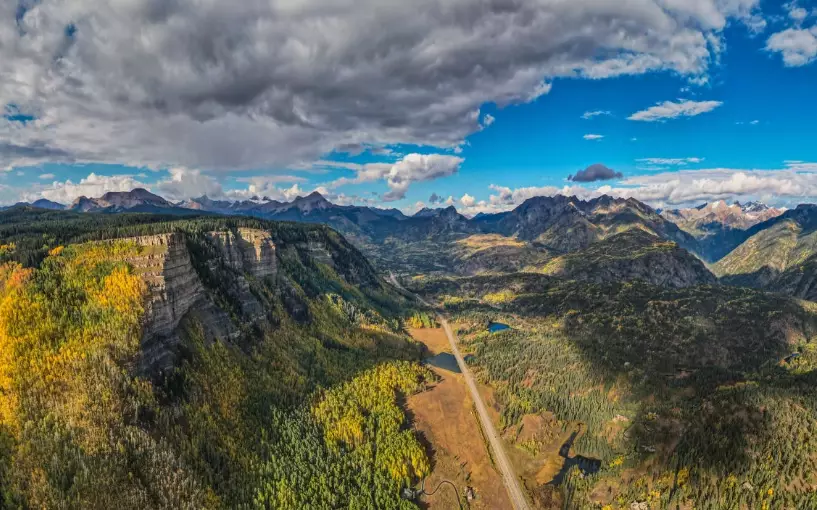
Durango: The Gateway
Durango is often the first and last stop for many visitors. Sitting at the southeastern edge of the range, it feels more like a small city compared to its mountain neighbors. With a population around 19,000, it has a real airport (Durango-La Plata County Airport), a historic downtown with great restaurants, and it's home to Fort Lewis College.
Its biggest claim to fame is the Durango & Silverton Narrow Gauge Railroad. That steam train chugging through the Animas River Canyon is an iconic image. Durango is your base if you want a wider variety of amenities but still want day-trip access to the high country. It's less of a "mountain town" and more of a vibrant Colorado community with the mountains right there. The skiing at Purgatory Resort is a short drive away.
My take? It's a fantastic place to stay. More relaxed than some of the glitzier spots, with great river access and a lively vibe. But if you're seeking that remote, tucked-into-the-peaks feeling, you'll need to venture further in.
Telluride: The Postcard
Telluride is spectacular. There's no other word for it. Boxed in by sheer, jaw-dropping cliffs at the head of a box canyon, its setting is unbeatable. It's a world-class ski resort in winter and a festival hub (Bluegrass, Film) in summer. The free gondola connecting the historic town with the Mountain Village is a genius piece of public transit with incredible views.
But let's be real. Telluride is expensive. It can feel crowded during peak seasons. The airport (Telluride Regional) is exciting to fly into but is weather-dependent. It represents the high-end, luxurious side of the San Juans. The hiking from town is immediate and breathtaking—Bridal Veil Falls, the tallest free-falling waterfall in Colorado, is right there.
Ouray: The Switzerland of America
Ouray might be my personal favorite. It calls itself the "Switzerland of America," and while that's a bold claim, the town nestled in a tight valley surrounded on all sides by 13,000-foot peaks makes a strong case. It's famous for its natural hot springs pools, right in the middle of town. The vibe is less pretentious than Telluride, more focused on genuine outdoor adventure.
Ouray is the Jeeping capital of Colorado. The roads leading out of town—like the infamous Black Bear Pass (experts only!) and the breathtaking Engineer Pass—are legendary. It's also a world-class ice climbing destination in winter. The town is small, walkable, and feels authentically connected to its mining past. The downside? That same tight valley means it can feel dark earlier in the day as the sun dips behind the massive peaks.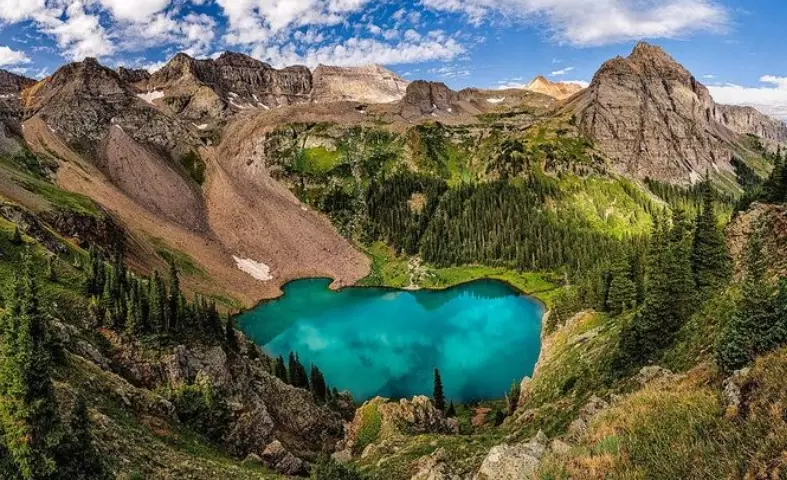
Silverton: The Living Museum
If you want to step back in time, Silverton is your spot. At 9,318 feet, it's one of the highest towns in the U.S. It sits at the northern end of the Durango & Silverton Railroad line and feels like a movie set. The entire town is a National Historic Landmark District. Dirt streets, historic false-front buildings, and a raw, unpolished feel.
Silverton is remote. It's the only town on this list without a single traffic light—it doesn't need one. Winter is severe here, and many businesses close. Summer brings the off-roaders and train tourists. The nearby Animas Forks ghost town is an easy side trip. I love Silverton's authenticity, but services are limited. Come for the atmosphere and adventure, not for luxury shopping.
So, when someone asks what cities are in the San Juan Mountains, these four are the heavy hitters. But the story doesn't end there.
The Smaller Towns & Hidden Valleys
The San Juans are filled with smaller communities, each with a specific flavor. You might drive through them on your way somewhere else, but they're worth knowing about.
Lake City: The Remote Gem
Tucked away on the eastern side of the range, Lake City feels wonderfully isolated. It's the county seat of Hinsdale County, the least populous county in Colorado. The town is quaint, sitting by Lake San Cristobal, Colorado's second-largest natural lake. It's another major hub for 4x4 adventures, with roads like Cinnamon Pass and the incredibly challenging Alpine Loop nearby. It's quieter, more affordable, and has a strong sense of community. The drive in itself, especially from the north over Slumgullion Pass, is an event.
Ridgway: The Crossroads
Located just north of Ouray where the Uncompahgre River Valley opens up, Ridgway is often overlooked but shouldn't be. It has a more relaxed, ranching feel compared to its neighbor. It's famous as the filming location for the classic John Wayne movie "True Grit." Ridgway State Park, just to the north, offers fantastic water recreation on the reservoir. Many people find it a great, slightly more affordable place to stay while exploring Ouray and Telluride, which are both about a 30-minute drive away.
Pagosa Springs: The Hot Springs Haven
On the southeastern flank of the range, Pagosa Springs is defined by one thing: the world's deepest geothermal hot spring aquifer. The town is built around it, with multiple hot springs resorts right on the banks of the San Juan River. It's a great family-friendly destination, with a charming downtown and access to the vast San Juan National Forest and Wolf Creek Pass, which gets some of the heaviest snowfall in Colorado. It feels less "alpine" and more "mountain valley" than the towns deeper in the core of the range.
Mountain Villages & Ghosts
Then you have places like Telluride's Mountain Village (the modern, ski-base area up the mountain), Ophir (a tiny, funky community near Telluride), and literal ghost towns like Animas Forks and Mineral Point. These aren't "cities," but they are integral parts of the human landscape of the San Juans.
Let's put this all together in a way that's easy to scan. If you're trying to figure out what cities are in the San Juan Mountains and what they offer, this table breaks it down.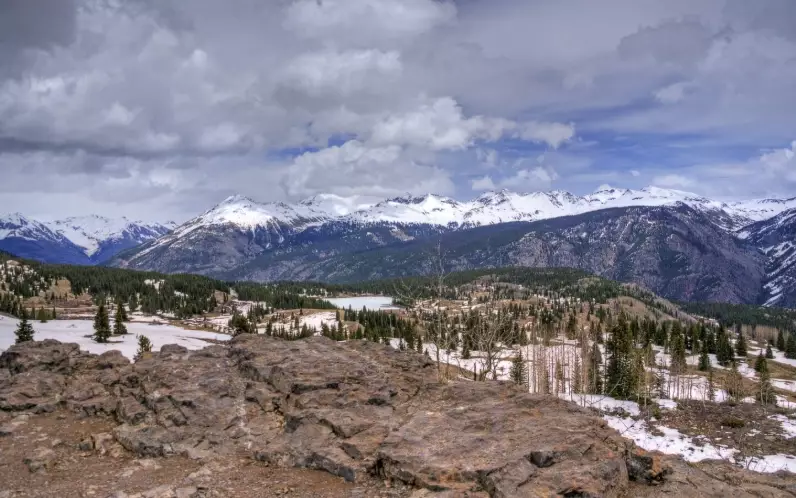
| Town/City | Elevation (approx.) | Key Vibe/Claim to Fame | Best For |
|---|---|---|---|
| Durango | 6,512 ft | The Gateway City, Historic Railroad, College Town | First-time visitors, families, those wanting more amenities & airport access. |
| Telluride | 8,750 ft | Luxury Resort, Festival Town, Stunning Box Canyon | Skiing, festivals, high-end dining, iconic mountain scenery. |
| Ouray | 7,792 ft | "Switzerland of America," Hot Springs, Jeeping Capital | Hot springs, off-roading (4x4), ice climbing, intimate mountain feel. |
| Silverton | 9,318 ft | High-Alpine Historic Landmark, Railroad Terminus | History buffs, hardcore off-roaders, authentic & raw mountain experience. |
| Lake City | 8,661 ft | Remote Gem, Lake San Cristobal, Alpine Loop Access | Getting off the beaten path, fishing, 4x4 adventures, quiet relaxation. |
| Ridgway | 7,000 ft | Relaxed Crossroads, "True Grit" Setting, State Park | Base camp for exploring, families, a more laid-back vibe. |
| Pagosa Springs | 7,079 ft | World-Class Hot Springs, San Juan River, Family-Friendly | Soaking in hot springs, river activities, a less intense mountain base. |
How to Get There & Get Around
This is a crucial piece of the puzzle. You can't talk about the cities in the San Juan Mountains without talking about access. It's part of what defines them.
Major airports serving the region are in Durango (DRO), Telluride (TEX)—which is scenic but tricky—Montrose (MTJ) to the north, and Albuquerque (ABQ) to the south. Most people end up renting a car. You'll need one.
Now, the roads. This is where the adventure truly begins. US Highway 550, known as the Million Dollar Highway between Silverton and Ouray, is one of the most spectacular and nerve-wracking drives in America. It's perfectly safe if you drive carefully, but there are no guardrails on long sections with sheer drops. The views are worth the white knuckles.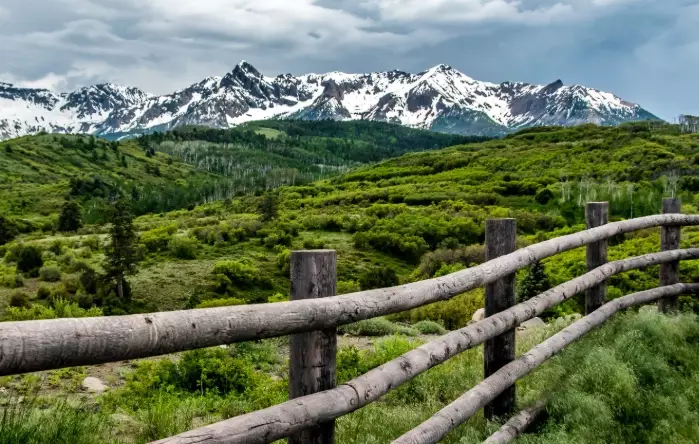
For the smaller towns and attractions, you'll often find yourself on Forest Service roads. Some are well-graded gravel, suitable for any car in dry weather. Others require high-clearance, 4WD vehicles. Knowing the difference is key to not getting stuck. I learned that the hard way once on a "shortcut" that turned into a rocky ordeal.
Public transit within the region is very limited. The Telluride Gondola is a brilliant exception. Some shuttle services run between towns (like between Durango and Silverton when the train isn't running), but don't count on a comprehensive bus network. This is a place where self-reliance and planning your route are part of the experience.
What to Do in the San Juan Mountain Towns
Okay, you know what cities are in the San Juan Mountains. But what do you actually *do* once you're there? The activities are as dramatic as the landscape.
- Hiking & Backpacking: This is the top draw. Trails range from easy walks to old mining sites to epic multi-day treks like the Chicago Basin area, where you can see the famous Sunshine and Redcloud Peaks. Wildflowers in July and August are insane.
- Scenic Drives & Off-Roading: Already mentioned, but it can't be overstated. Even if you don't have a 4x4, drives over Lizard Head Pass (to Telluride) or along the San Juan Skyway loop are unforgettable.
- Historic Sites & Ghost Towns: The mining history is everywhere. Exploring places like the Old Hundred Mine near Silverton or the ghost town of Animas Forks feels like touching the past.
- Winter Sports: Telluride and Purgatory (Durango) are the major ski resorts. But there's also incredible backcountry skiing, snowshoeing, and Ouray's famous Ice Park for climbing.
- Relaxation: The hot springs in Ouray and Pagosa Springs are the perfect antidote to a long day of hiking or driving.
- Photography: Bring extra memory cards. Seriously. From the alpine vistas to the historic architecture, you'll be snapping constantly.
Answering Your Questions: San Juan Mountains FAQ
By far, that's Durango. With a population nearing 20,000 and a full suite of services (big box stores, hospital, university, major airport), it functions as the regional hub. None of the other towns come close in size.
Not in the way you'd think of Denver or Colorado Springs as "major." Durango is the closest thing, but it's still a small city. The character of the San Juans is defined by small towns, not major urban centers.
There's no single answer—it depends entirely on what you want.
- For first-timers & families: Durango or Ridgway. More options, easier logistics.
- For iconic scenery & luxury: Telluride.
- For adventure & hot springs: Ouray.
- For history & remoteness: Silverton or Lake City.
- For a hot springs-focused trip: Pagosa Springs.
Yes, if you are a confident driver and pay full attention. The road is well-paved and wide enough for two lanes. The dangers come from distraction, weather (ice, fog, rain), and not respecting the road. Drive during daylight, take your time, pull over at turnouts to let faster locals pass, and enjoy the view when you're stopped. Don't let the hype scare you off—just respect it.
Summer (July-Sept) is peak season for hiking and wildflowers, but also for crowds. Fall (late Sept-Oct) is spectacular with aspen colors, but weather becomes unpredictable and some services start to wind down. Winter is for skiers and a very quiet, snow-blanketed experience in towns like Ouray and Silverton. Spring (May-June) is mud season, with many high trails still snow-covered and some passes closed.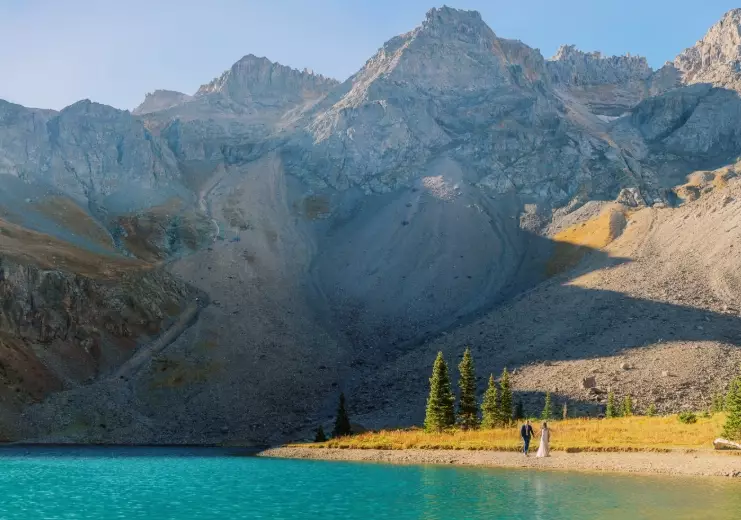
Final Thoughts on the Towns of the San Juans
So, when you ask, "What cities are in the San Juan Mountains?" you're really opening the door to a diverse collection of mountain communities. From the relative bustle of Durango to the silent, high-altitude streets of Silverton, each place offers a different key to unlocking this incredible corner of Colorado.
They're not just dots on a map. They're living communities with their own stories, challenges (like affordable housing and tourism pressure), and deep connections to the land. Visiting them requires a bit more planning than a trip to a big city. You have to think about elevation, weather, and road conditions.
But the reward is immense. It's the feeling of being in a place where nature is the dominant force, where history is written on the hillsides in old mine shafts, and where the scale of the landscape reminds you of your own small, wonderful place in it. Pick a town that matches your travel style, do your homework, and go. The mountains are waiting.
Just remember to pack a jacket. Even in summer, those high altitudes have a chill.
Reader Comments