Explore This Guide
- What Exactly Is the Little Colorado River?
- How to Actually See the Little Colorado River Gorge
- When to Go: Timing is Everything
- What to Know Before You Go: Safety & Respect
- Beyond the Turquoise: The Cultural Heart of the River
- Putting It All Together: Your Trip Planning Checklist
- Common Questions (The Stuff You're Actually Wondering)
- Final Thoughts
So you've seen pictures. You know the ones—impossibly bright turquoise water snaking through a deep, rust-colored canyon in the middle of the Arizona desert. That's the Little Colorado River, and it's one of those places that doesn't look real until you're standing there, feeling the spray on your face. It's a tributary to the big one, the Grand Canyon, but it has a personality all its own.
I remember my first trip down there. The drive itself felt like an accomplishment, all dusty roads and careful turns. Then you get to the edge and... wow. That color. It's like someone dropped a giant aquamarine into the earth. But here's the thing nobody tells you right away: seeing the Little Colorado River in Arizona isn't always straightforward. Access is tricky, the water levels change like the mood of the desert, and you need to be prepared. This guide is what I wish I'd had before I went—a no-nonsense, from-the-ground look at how to actually experience this place, not just dream about it.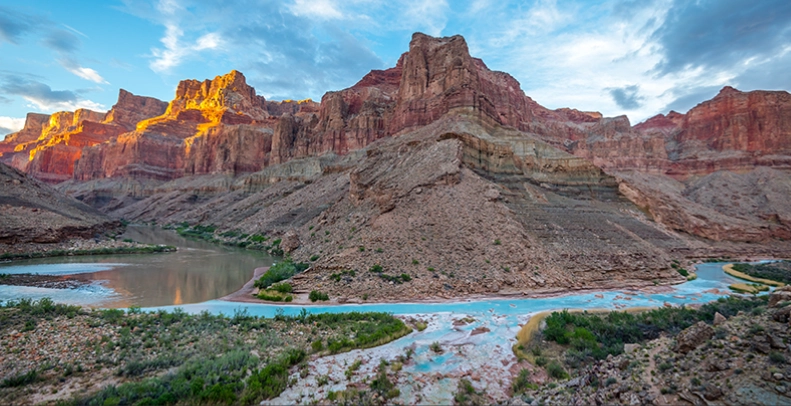
What Exactly Is the Little Colorado River?
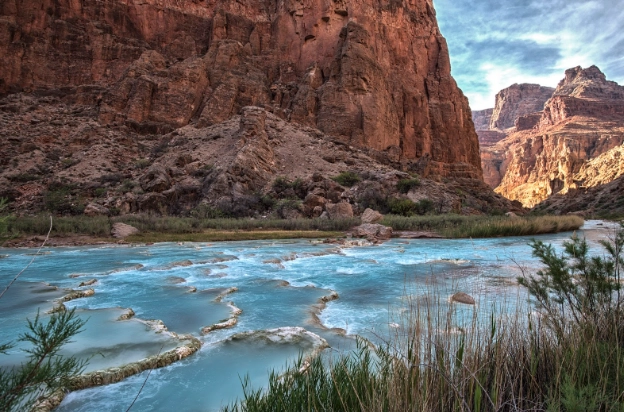
Let's clear something up first. The Little Colorado River (often just called the LCR) isn't some secret creek. It's a major river in its own right, running about 340 miles from the White Mountains of eastern Arizona all the way to where it dramatically meets the Colorado River deep inside the Grand Canyon. The part everyone goes crazy for is the lower section, near Cameron, where the water turns that milky, brilliant turquoise. Why that color? It's all about the minerals. The water picks up dissolved calcium carbonate from the limestone it flows through. When the water slows down and evaporates a bit, the calcium carbonate precipitates out as tiny white particles (they call it "tufa"). Sunlight hits that white, suspended sediment mixed with the blue of the water, and bam—you get that surreal turquoise glow. It's science, but it feels like magic.
How to Actually See the Little Colorado River Gorge
This is the big question. You can't just pull off Highway 89 and walk to the edge. Most of the gorge is on Navajo Nation land, and access is controlled. You've got a few main options, each with very different vibes.
Option 1: The Official Viewpoint (Grand Canyon National Park)
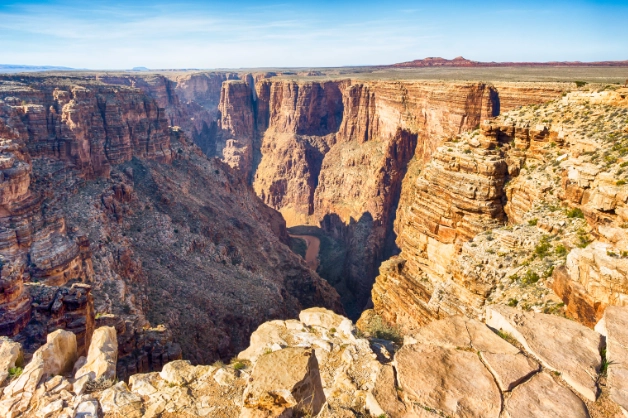
If you want a guaranteed, no-hassle view, this is it. From Desert View Drive on the South Rim of the Grand Canyon, there's a signed viewpoint. You park, walk a short paved path, and there you are. You're looking down into the confluence area from about 3,000 feet up. The view is staggering, a true bird's-eye perspective. You see the muddy brown Colorado and the brilliant blue-green Little Colorado River Arizona waters swirling together. It's iconic, it's easy, and it's perfect for families or anyone short on time. The downside? You're very far away. You feel the scale, but you don't feel the river. You can't hear it or smell it. It's a postcard view. Still, for your first time, it's mind-blowing.
Check the National Park Service website for current fees and Desert View area operating hours. It's included with your Grand Canyon park entrance pass.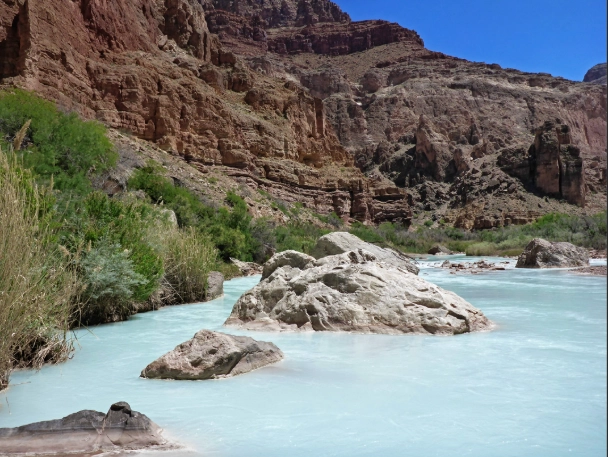
Option 2: Hiking Down to the River (The Real Adventure)
This is for the do-it-yourself crowd. To get to the water's edge, you need to hike. The most famous (and really, the only feasible DIY) route is the Salt Trail Canyon or nearby routes that descend from the rim on the Navajo Nation. Here's the critical part: You need a permit. Not a suggestion, a requirement. You get it from the Navajo Parks and Recreation department. Don't even think about going without one; it's disrespectful and can land you in serious trouble.
The hike is no joke. I'm not trying to scare you, but you need to know. It's a steep, unmaintained trail that drops over 2,000 feet in a few miles. The trailhead is remote, the road to it is rough dirt (4WD high-clearance is a must, seriously), and there's zero shade. You need to carry ALL your water—a gallon per person per day is the bare minimum. The hike back up is a brutal, sun-exposed climb. This isn't a casual stroll. People get rescued from here every year. If you're not an experienced desert hiker with top-notch fitness and preparation, admire it from the top or go with a guide.
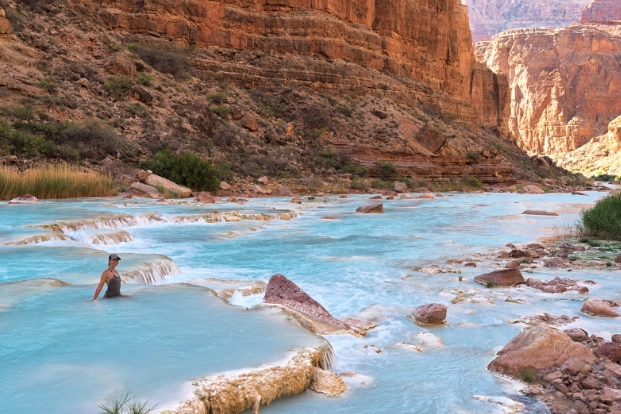
But if you are prepared? It's transformative. Standing in that cold, vibrant water after the grueling hike is a feeling I can't describe. The silence down there, broken only by the river, is profound. You see details you'd never glimpse from above—the travertine dams creating small waterfalls, the way the light filters down the narrow walls.
Option 3: Guided Tours from the Navajo Nation
This is, in my opinion, the absolute best way for most people to experience the Little Colorado River. Navajo-owned tour companies have special access and take small groups down to the river in 4x4 vehicles, often combined with a short hike for the final descent. You get the immersive experience without the logistical nightmare and immense physical risk.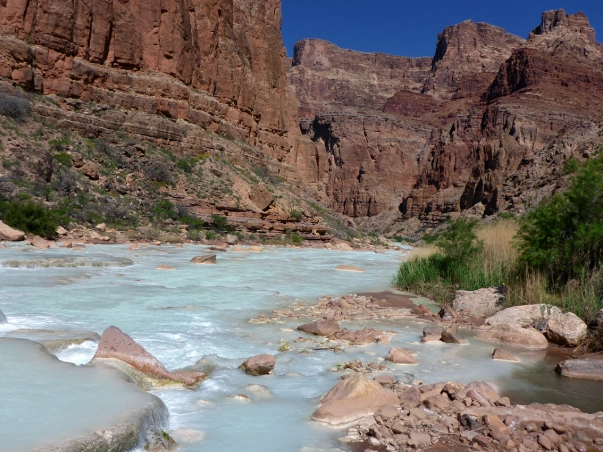
The guides share knowledge you won't find in any guidebook—the cultural and spiritual significance of the river (called *Tó Nídeeshgizh* in Diné), local geology, and stories. The river isn't just a scenic spot to them; it's a living part of their homeland. That context changes everything. You're not just a tourist; you're a guest. Tours usually depart from Cameron or nearby. They book up, especially in spring and fall, so plan ahead.
| Access Method | Best For | Effort Level | Experience | Key Consideration |
|---|---|---|---|---|
| Grand Canyon Viewpoint | Families, first-time visitors, those with limited time/mobility | Very Easy | Spectacular aerial view of the confluence | Distant view; part of Grand Canyon visit |
| Permitted Hike (Salt Trail) | Experienced, self-sufficient backpackers & hikers | Extremely Strenuous | Immersive, solitary experience at river level | Permit required; major safety & logistical challenge |
| Navajo-Guided Tour | Most visitors seeking a deep, accessible, and culturally informed experience | Moderate (some hiking) | Close-up access with expert guidance and cultural context | Cost involved; requires booking in advance |
When to Go: Timing is Everything
That famous color isn't a constant. It depends entirely on water flow.
- Spring (March-May): This is prime time. Snowmelt from the White Mountains feeds the river, creating reliable flow and that vibrant turquoise color. The weather is ideal for hiking—warm days, cool nights. It's also the busiest.
- Summer (June-August): Monsoon season. This is a wildcard. The river can be bone-dry one day and a raging, muddy torrent the next after a thunderstorm upstream. The color is often lost to silt. Plus, it's brutally hot for hiking. I'd avoid summer for a river visit unless you're just going to the viewpoint.
- Fall (September-November): Another excellent window. Monsoon flows subside, water clears, and the color returns. Crowds thin out, and temperatures are perfect. My personal favorite time.
- Winter (December-February): Often very low flow. The water can be clear but not as vividly turquoise. The rim is cold and windy. Hiking down can be treacherous with ice on the trail. The viewpoint is still open and stunning in a stark, wintery way.
What to Know Before You Go: Safety & Respect
This isn't a city park. A lack of preparation isn't an adventure; it's dangerous.
Non-Negotiable Safety List for Hikers
- Water: I'll say it again. 1 gallon per person, per day. More if it's hot. You cannot rely on the river water without proper treatment (and even then, the mineral content is very high).
- Navigation: The trail isn't marked. A detailed map, GPS, and the knowledge to use them are essential. Don't rely on your phone alone; service is nil.
- Footwear: Sturdy, broken-in hiking boots with ankle support. The trail is loose rock and sand.
- Sun Protection: Wide-brimmed hat, sunglasses, long sleeves, and high-SPF sunscreen. The sun is relentless.
- Permits: Required for hiking on Navajo land. Get them in advance from the Navajo Nation Parks & Recreation website or office.
A crucial safety note about the water itself: Do not swim or wade in the Little Colorado River near the confluence. The currents are deceptively strong, the water is cold enough to cause shock, and the travertine ledges are slippery. People have drowned here. Enjoy the view from solid ground.
And respect. You are a guest on the Navajo Nation. Follow all posted rules, stay on designated trails, pack out every single piece of trash (including toilet paper), and don't disturb any cultural sites, artifacts, or rock formations. This land is sacred.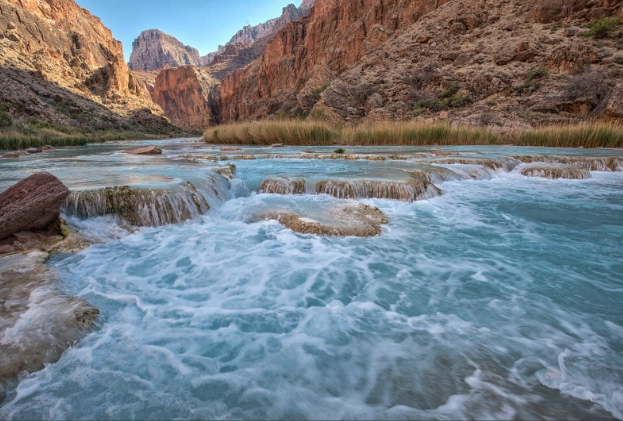
Beyond the Turquoise: The Cultural Heart of the River
This is the part most online guides skip, and it's the most important. For the Navajo (Diné) and Hopi peoples, the Little Colorado River Arizona is not a scenic Instagram spot. It's a living entity central to their origin stories, spirituality, and way of life. The Hopi call it the *Paayu*. It's mentioned in their emergence narrative. For the Navajo, it's a boundary and a blessing, associated with stories of the Holy People.
When you visit with a Navajo guide, you might hear these stories. You'll learn why certain places are left undisturbed. This context transforms a beautiful landscape into a meaningful one. It's the difference between taking a photo and understanding a place. I felt this shift deeply on a guided tour. The guide pointed out a rock formation and told a brief story about the Hero Twins. Suddenly, the whole canyon felt different—more alive, more layered. It's a reminder that we're just visitors in a story that's been unfolding for millennia.
Putting It All Together: Your Trip Planning Checklist
- Decide on your experience: Easy view (Grand Canyon viewpoint) or river-level access (hike or tour)? Be honest about your fitness and comfort level.
- Check the season and water flow: Aim for spring or fall for the best chance at the turquoise color and good weather.
- Secure permissions/booking:
- For the viewpoint: Get your Grand Canyon National Park pass.
- For hiking: Apply for your Navajo Nation backcountry permit well in advance.
- For a tour: Research and book a reputable Navajo-owned tour operator early.
- Gear up appropriately: See the safety list above. If hiking, test your gear on local trails first.
- Plan your logistics: Where are you staying? Flagstaff and Cameron are the main gateways. Fill your gas tank; services are sparse. Tell someone your detailed itinerary and expected return time.
Common Questions (The Stuff You're Actually Wondering)
Final Thoughts
The Little Colorado River in Arizona is a place that sticks with you. It's more than a photo op. The journey to see it—whether that's a drive along the rim, a grueling hike, or a bumpy ride with a guide—is part of the story. It teaches you about the raw power of desert landscapes, the importance of preparation, and the deep, living history of the people who call this region home.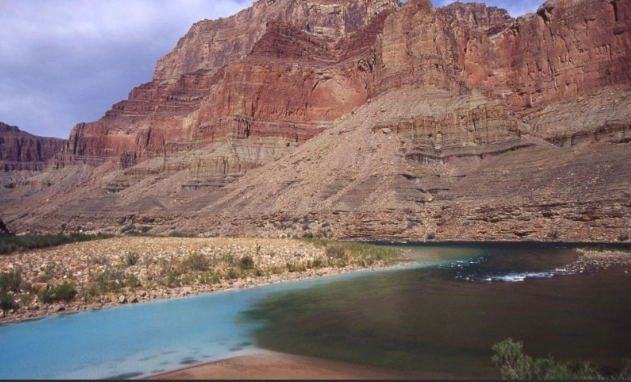
My advice? Don't just chase the picture. Understand the place. Choose the access method that's right for you, not just the most hardcore. Go in the right season. Listen to the stories. Pack out your trash. And when you finally see that impossible blue-green water cutting through the red rock, take a minute to just be there. It's one of Arizona's most powerful sights, and it deserves your respect as much as your wonder.
Safe travels.
Reader Comments