What You’ll Find Here
Let's talk about Independence Pass weather. If you're planning a trip over Colorado's State Highway 82 between Aspen and Twin Lakes, this isn't just small talk. The weather up there isn't just "nice" or "bad" – it's a deciding factor for whether your drive is breathtaking or downright terrifying, whether your hike is epic or cut miserably short. I've driven it in brilliant sunshine that made the views look fake, and I've also white-knuckled it through a sudden whiteout in late May that came out of nowhere. Trust me, checking a generic weather app for "Aspen" just doesn't cut it.
The pass soars to 12,095 feet. That's above tree line. At that altitude, the weather has its own rulebook, one that changes pages every few hours. One minute you're looking at postcard-perfect peaks, the next you're enveloped in a cloud that reduces visibility to your car's hood. Understanding the Independence Pass weather patterns isn't about being paranoid; it's about being prepared so you can actually enjoy one of the most stunning drives in the Rockies.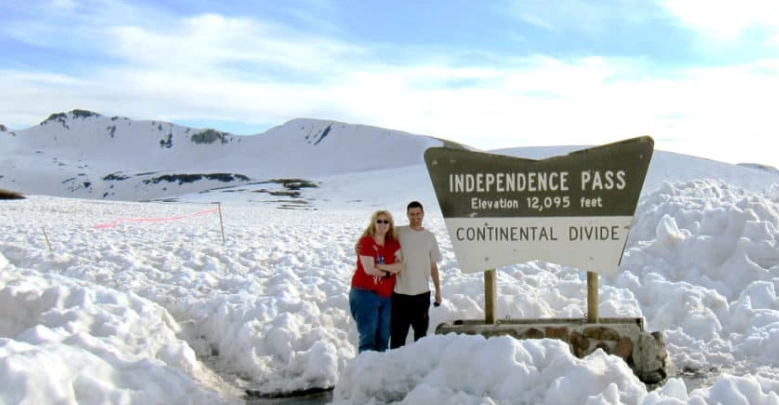
Why Independence Pass Weather is Unpredictable (The Science Bit, Simplified)
Okay, let's get into why the forecast seems to have a mind of its own up there. It's not magic, it's geography and physics. Independence Pass sits on the Continental Divide. That giant mountain ridge acts like a wall for weather systems moving across the country.
Moist air gets forced up the slopes, cools down rapidly, and – bam – clouds form, and precipitation happens. This is called orographic lift. It means storms can develop locally and intensely right over the pass, even if areas just 20 miles away are clear. The high altitude also means thinner air. It holds less heat, so temperatures plummet once the sun dips behind a ridge or a cloud rolls in. A sunny, 65-degree afternoon at the base can turn into a windy, 45-degree situation at the summit in under an hour. That's the Independence Pass weather curveball.
So when you see "scattered afternoon thunderstorms" in the forecast for the region, you can almost guarantee the Independence Pass weather will feature those thunderstorms, and they'll be more potent.
Decoding the Forecast: What Those Terms Really Mean for Your Trip
Weather forecasts can be vague. Here’s my translation guide, born from a few too many surprises.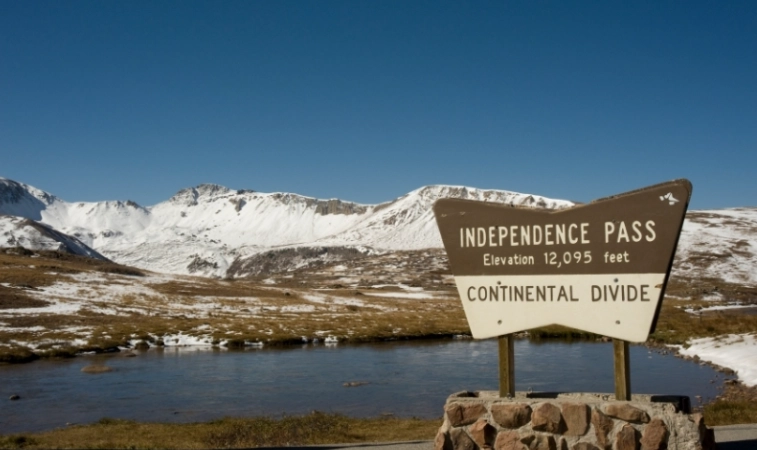
"Sunny and Clear": The golden ticket. Visibility for miles, perfect for photos. But even then, pack a jacket. The wind chill at the summit overlook can be fierce.
"Partly Cloudy": This is the most common summer forecast. It usually means beautiful, dynamic skies with puffy clouds. However, those puffy clouds can be the building blocks for afternoon storms. Keep a keen eye on them growing taller and darker.
"Chance of Afternoon Showers/Thunderstorms": Read this as: Plan to be off the pass and done with high-elevation hiking by 1-2 PM. These aren't gentle drizzles. These are often intense, with lightning, gusty winds, hail, and a rapid temperature drop. This is the most critical Independence Pass weather forecast to respect.
"Windy": At 12,000 feet, "windy" often means gusts strong enough to rock your car, especially on exposed sections or at the pull-offs. Be extra careful opening car doors and hold onto your hat (and small children).
"Snow Possible" (Late Spring/Early Fall): This is a major red flag, even if it's just a "chance." A dusting at that altitude can make the road, especially the shaded, steep sections near the summit, slick with black ice. This drastically changes the Independence Pass road conditions.
Independence Pass Weather by Season: A Month-by-Month Breakdown
This is where planning gets real. The experience of the pass is completely dictated by the season.
Late Spring (May - Early June)
The pass usually opens Memorial Day weekend, but it feels nothing like summer. This is the shoulder season on steroids. You'll find massive snow walls lining the road near the summit, remnants of the winter plowing. The Independence Pass weather is highly volatile. Sunny mornings give way to cold afternoons with snow squalls. The hiking trails? Mostly buried or slushy messes.
What to expect: Dramatic snow scenery, very few people, and highly unpredictable conditions. Road crews are still clearing final debris. Chains might still be a wise thing to have in your trunk, especially if you're driving early or late in the day.
Summer (Late June - August)
This is peak season. The wildflowers are out, the trails are (mostly) clear, and the pass is buzzing. But don't let the bluebird morning skies fool you. The Independence Pass weather pattern is famously consistent: clear mornings, building clouds by late morning, and a high likelihood of intense but brief afternoon thunderstorms between 1 PM and 4 PM.
What to expect: Crowded pull-outs, especially at the summit. The key is the morning. Start your drive or hike early. Aim to be descending from the highest elevations by lunchtime. The thunderstorms bring lightning risk—the worst place to be is on an exposed ridge or at the treeless summit.
Fall (September - October)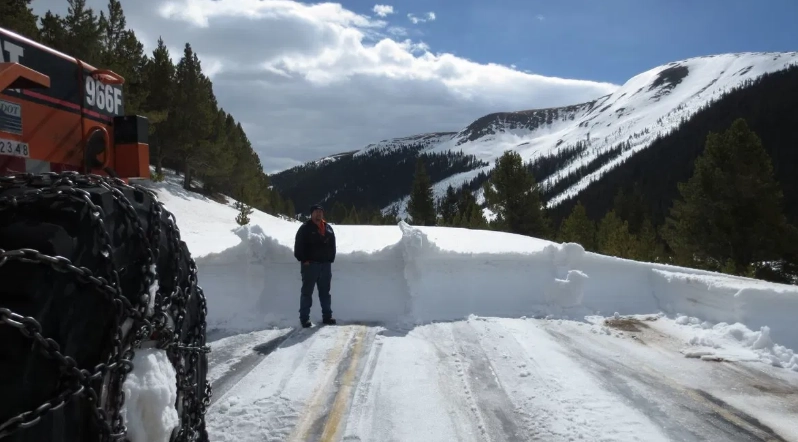
My absolute favorite time. The crowds thin, the aspen trees put on a legendary golden show, and the afternoon storm cycle lessens. However, the Independence Pass weather now introduces a new variable: cold. Nighttime and early morning temperatures regularly drop below freezing. The first significant snowstorms can (and do) happen in September, often closing the pass temporarily.
What to expect: Stunning fall colors, crisp air, and a greater risk of sudden winter-like storms. Morning ice on the road is a real possibility. Closures for snow become more frequent as October progresses.
Winter (November - April)
The pass is closed. Full stop. No amount of checking the Independence Pass weather matters because you can't drive it. The road is buried under many feet of snow and is not maintained. Some areas are avalanche-prone. This is backcountry ski and snowmobile territory only, for experts with proper knowledge and gear.
| Season | Typical Weather & Conditions | Key Things to Pack | Driving Difficulty |
|---|---|---|---|
| Late Spring (May-Jun) | Unpredictable mix of sun, cold, snow squalls. Massive snowbanks. | Winter coat, gloves, tire chains, sunglasses (snow glare!). | Moderate to High. Icy patches, debris. |
| Summer (Jul-Aug) | Clear mornings, strong afternoon T-storms. Warm at base, cool up top. | Layers, rain jacket, hiking boots, hat, sunscreen. | Moderate (due to traffic & weather vigilance). |
| Fall (Sep-Oct) | Crisp, fewer storms. Risk of early snow & morning ice. Epic colors. | Warm layers, beanie, traction for hiking, camera. | Moderate to High (ice risk). |
| Winter (Nov-Apr) | Closed. Heavy snow, avalanche danger. Backcountry only. | Expert-level backcountry ski/snowmobile gear. | Not Possible for Vehicles |
Essential Resources for Real-Time Independence Pass Weather & Road Info
You need better info than your standard weather app. Here’s where I look, in this order, the morning of any trip:
- National Weather Service (NWS) Forecast: This is your foundation. Go to their site and search for the forecast for "Independence Pass, CO." The NWS forecast discussion (geeky but informative) often mentions specific concerns for high passes. They also issue warnings (High Wind, Winter Weather) you need to heed.
- CDOT's COtrip.org & Specific Pass Page: This is non-negotiable. COtrip shows real-time road conditions, webcams, and closures. The Independence Pass page has vital info on hours, vehicle restrictions (RVs and large trailers are prohibited), and status. I once avoided a 3-hour wasted drive because the webcam showed it was snowing at the summit despite a clear forecast.
- Local Webcams: Seeing is believing. CDOT has webcams. Also, check webcams in Aspen and Leadville to see the conditions approaching the pass.
- Mountain-Forecast.com: This site gives a detailed, elevation-based forecast for the summit of Independence Pass. It's great for seeing the temperature and wind speed difference between the base and the top, which is huge for hikers.
Driving the Pass: Weather-Specific Strategies
Driving here is an active sport, not a passive cruise. The Independence Pass weather directly controls the rules of the game.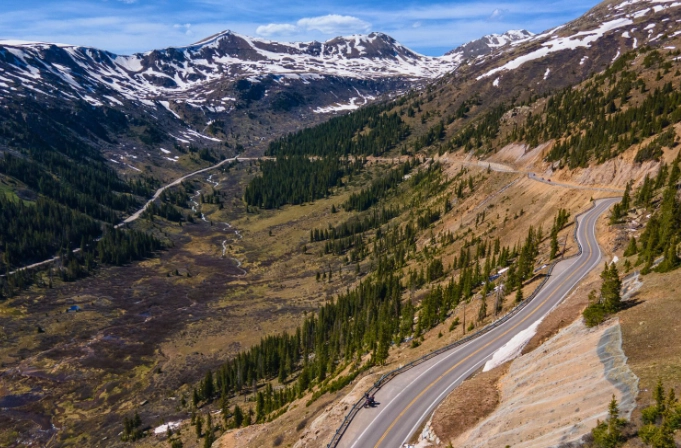
General Rules: The road is narrow, winding, with steep drop-offs and no guardrails in many sections. Take your time. Use pull-outs to let faster local traffic pass. Don't stop in the middle of the road for photos—it's dangerous and infuriating for everyone behind you.
When Thunderstorms are Forecast:
- Timing is everything. Cross early. If you see dark clouds building, don't think "I can make it." Turn around or find a safe spot to wait it out lower down.
- Heavy rain reduces visibility and can cause rockfalls. Hail can dent your car.
- If you're caught in it, slow way down, turn on headlights and hazards if needed, and focus on the road. Pull over only in designated areas, not on a blind curve.
When Cold Temperatures or Snow are Possible:
- This changes everything. The road surface can be wet, then turn to ice in shaded corners.
- Test your brakes gently on straightaways to feel the traction.
- Increase following distance massively.
- If it's actively snowing and sticking, consider turning back unless you have 4WD/AWD and solid winter tires. The plows don't come instantly.
I learned the hard way about shaded corners in fall. A beautiful dry road, then a sharp turn in the shadows was a sheet of black ice. A gentle tap on the brakes did nothing. We just slid. Thankfully, there was no oncoming traffic and the shoulder was wide. It was a silent, heart-in-throat moment that lasted five seconds but felt like an hour. Now I'm paranoid about shaded areas when it's near freezing.
Hiking and Exploring: Weather Wisdom for the Trails
The Independence Pass weather is even more critical for hikers. You're exposed, moving slower, and farther from shelter.
The 10 AM Rule: I live by this. Be at the trailhead by 10 AM at the latest for any hike that goes above tree line (like the popular Linkins Lake or the scramble up to the old mine ruins). This gives you a buffer to summit and get back below tree line before the afternoon lightning factory kicks in.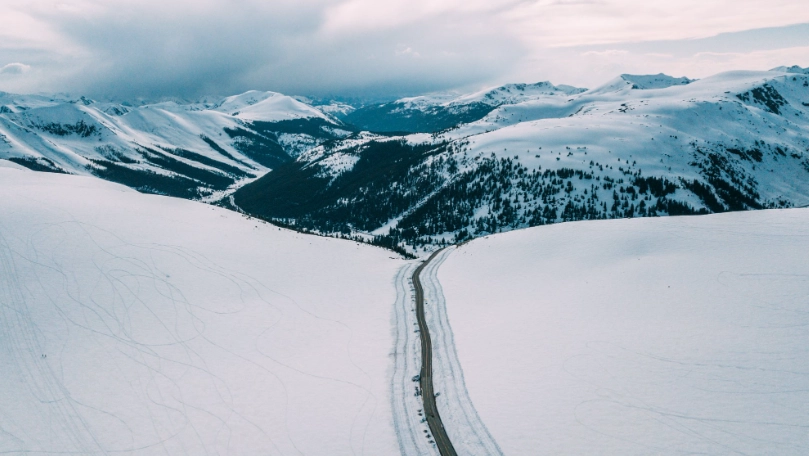
Gear is Non-Negotiable: Even on a sunny summer forecast, your daypack must have:
- Layers: A moisture-wicking base, an insulating mid-layer (fleece/puffy), and a waterproof/windproof shell. Cotton kills.
- Extra Food & Water: Altitude and cold increase dehydration and calorie burn.
- Map & Compass/GPS: Trails can be faint above tree line, and clouds can roll in, eliminating landmarks.
- Headlamp: In case you're delayed.
- First Aid Kit: Include blister care.
Reading the Sky: If you see clouds building vertically, growing taller and darker, that's your cue to turn around. Don't wait for thunder. If you hear thunder, you're already in lightning danger. Get off ridges and peaks immediately. Crouch in a low area away from isolated trees.
The Independence Pass hiking weather can be perfect one hour and dangerous the next. Your turn-around time should be based on the weather, not on reaching the destination.
Your Independence Pass Weather Questions, Answered
The Final Word: Respect is the Key
Independence Pass isn't just a road; it's a high-alpine environment. Treating the Independence Pass weather with respect isn't about fear, it's about unlocking the best possible experience. A little preparation—checking the right sources, packing the right gear, and having the humility to turn around—is what separates a great adventure from a miserable or dangerous one.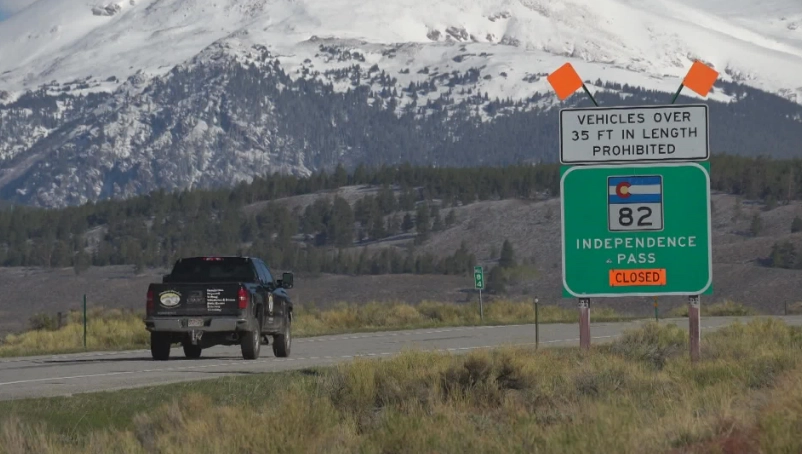
The mountains don't care about your plans. But with the right knowledge, you can make plans that work with the mountains, not against them. That’s when you get to enjoy the sheer magic of this place: the endless views, the quiet tundra, the feeling of being on top of the world. Just keep one eye on the sky.
Safe travels.
Reader Comments