In This Guide
Look, if you're typing "Douglas Spring Trailhead camping" into Google, you're probably not looking for a fluffy, inspirational piece about sunsets over the saguaros. You want the gritty details. The stuff that actually makes or breaks a trip into the Rincon Mountains. Where do you get a permit? Is there actually water at Douglas Spring? Can you even have a fire? I've been there, scratched my head over the same questions, and learned a few things the hard way. This guide is my attempt to save you from those headaches.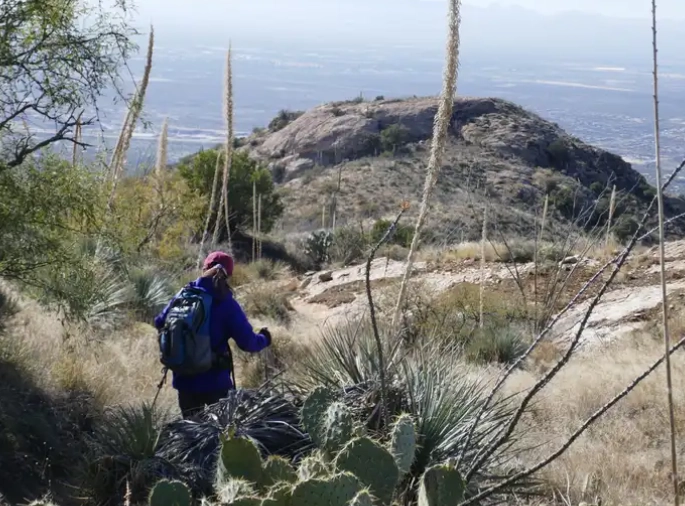
Let's cut to the chase. The Douglas Spring Trailhead is the main eastern gateway for backpacking into Saguaro National Park East's wilderness. It's not a cushy car-camping spot. It's a launchpad. Your adventure starts on foot, and your planning starts right here. Forget what some generic travel blogs say—this area has specific, non-negotiable rules you need to know.
The Core Truth: Planning a Douglas Spring Trailhead camping trip is 90% about logistics and 10% about hiking. Get the logistics wrong, and the rangers will turn you around at the trailhead. I've seen it happen.
First Things First: The Absolute Must-Knows Before You Go
You can't just show up. This isn't a national forest where you can wander off and pitch a tent. Saguaro National Park has a managed backcountry system for good reason—to protect a fragile desert environment that gets a lot of love (and foot traffic).
The Permit Situation: Non-Negotiable
All overnight camping requires a backcountry permit. Full stop. These aren't the kind you get at a self-service kiosk. You need to reserve them in advance through Recreation.gov. The key is planning ahead, especially for weekends between October and April. I made the mistake of trying to book a month out for a November weekend once—everything was gone. The system opens up 90 days in advance, and for popular spots like the Douglas Spring Campground (the first-come, first-served sites near the trailhead are a myth, by the way), they go fast.
You pick up your physical permit at the Saguaro National Park East Visitor Center. Don't blow past it. They'll give you the latest info on trail conditions, water reports, and wildlife activity. This step is crucial. The rangers there are genuinely helpful and want you to be safe.
Water: The Great Desert Question
This is the biggest variable and the most common source of anxiety. The name "Douglas Spring" is promising, but it's not a guaranteed faucet. Its flow is entirely dependent on recent rainfall. I've seen it trickle and I've seen it dry.
My Personal Rule: I always plan to carry ALL the water I need for my entire trip from the trailhead. Treating the spring as a possible bonus, not a plan. The park's official Backcountry Water Sources page is your best friend. Check it religiously in the days leading up to your trip. It's updated by rangers and is far more reliable than hiker comments from three months ago.
You need a reliable water treatment method. A filter (like a Sawyer Squeeze) plus chemical treatment (like Aquamira) as a backup is my go-to. Giardia doesn't care about your beautiful views.
Camping Zones vs. Designated Sites
This is a critical distinction many first-timers miss. When you book your permit on Recreation.gov, you're not just booking "Douglas Spring." You're booking a specific backcountry zone or site.
- Douglas Spring Campground (Zone D1): This is the main, designated camping area about 2.5 miles from the trailhead. It has maybe 4-5 established sites with tent clearings and metal food-storage boxes. It's perfect for a first night if you're starting late.
- Backcountry Zones (e.g., D2, D3): Further up the trail. These are larger areas where you can choose your own discreet spot (following Leave No Trace principles, of course). They offer more solitude but require more hiking.
Your permit will specify your zone. You must camp within it. Rangers do patrol.
Gearing Up: What You Actually Need (And What You Don't)
Packing for desert backpacking is a unique beast. It's not the Rockies. The temperature swing is insane—balmy afternoons can give way to freezing nights, especially at higher elevations. And the sun is relentless.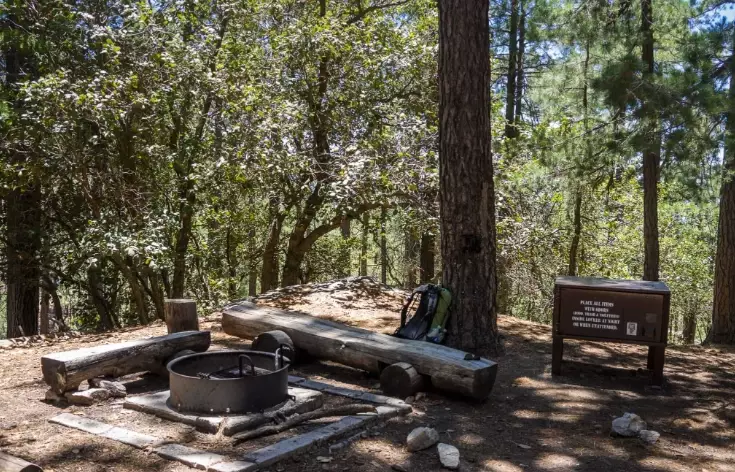
Here’s my tried-and-true packing philosophy for a Douglas Spring Trailhead camping trip, broken down by priority.
| Category | Essential Items (Non-Negotiable) | Why It's Critical Here |
|---|---|---|
| Hydration | Water bladder/bottles (4L capacity min), water filter & chemicals, electrolyte tabs | See above. Dehydration is the #1 danger. Electrolytes prevent cramps on steep climbs. |
| Sun & Heat Protection | Wide-brim hat, UPF-rated long-sleeve shirt, sunglasses, sunscreen (high SPF), lip balm | There is zero shade on the first few miles of trail. You will bake without these. |
| Temperature Management | Insulating layer (puffy jacket), beanie, gloves, sleeping bag rated for freezing | I've woken up to frost in my campsite at 6000 ft. in April. Don't underestimate the cold. |
| Critter Security | Park-approved bear-proof container | Required by law for all food, trash, and scented items. Not just for bears—raccoons and mice are master thieves. |
| Footwear & Comfort | Broken-in hiking boots, trekking poles, blister kit | The trail is rocky and rugged. Poles save your knees on descents. Blisters can ruin a trip fast. |
A Gear Mistake I Made: I once brought a cheap, bulky sleeping bag to save money. It was rated for 40°F, and the temp dropped to 28°F. I spent the night wearing every piece of clothing I had, shivering. Never again. Invest in a proper bag or quilt.
What can you leave behind? A massive camp chair, a giant lantern, extra pairs of jeans, glass containers, and anything with a strong scent (scented wipes, lotions). You want your pack light and your scent profile minimal.
Hitting the Trail: A Mile-by-Mile Reality Check
The trail from Douglas Spring Trailhead is beautiful but honest. It doesn't mess around. Let's walk through what you're in for.
Trailhead to Douglas Spring Campground (Mile 0 - 2.5)
The first section is a steady, exposed climb through classic Sonoran Desert. Saguaros stand like sentinels. It's stunning, but there's no water and little shade. Start early. I mean, really early. A 7 AM start feels late in season. By 10 AM, that sun is punishing.
You'll gain about 1,200 feet in elevation here. It's not technical, but it's a constant upward grind on a rocky path. This is where you'll be glad you packed light and have those trekking poles. After about 2.5 miles, you'll see the sign for the Douglas Spring Campground spur trail on your left. If you're staying at D1, this is your turnoff.
Beyond the Campground: Into the High Country
If you're heading to zones like Three Tank (D2) or Cowhead Saddle (further up), the trail keeps climbing. The vegetation changes from desert to oak woodland. The views back over Tucson and the valley are incredible. The trail gets a bit rougher, more narrow. This is where you feel you've truly left the world behind.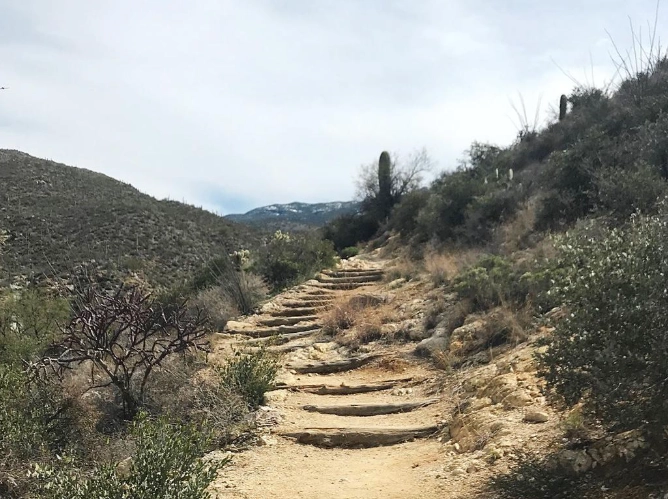
Water sources like Three Tank are just that—old metal tanks that catch runoff. They can be algae-filled. Your filter is essential. Always check the park's water report for the status of these tanks.
Setting Up Camp: Doing It Right
You've sweated, you've climbed, you've found your zone. Now what?
- Site Selection: In a designated zone (not D1), find a durable surface like bare ground or rock, at least 200 feet from any trail or water source (spring, tank). Look for natural windbreaks.
- The Bear Box Ritual: If you're at D1, use the metal box. Everywhere else, your personal bear canister is your kitchen. Cook and eat away from your sleeping area. After dinner, all food, trash, toothpaste, even your stove fuel goes into the canister, and you place it at least 100 feet from camp. Not next to your tent. Not even kinda close.
- Fires: Forget it. Wood and charcoal fires are prohibited in the Saguaro National Park backcountry. Period. A portable gas stove for cooking is allowed. That's it. This is a major bummer for some, but it's a critical fire-prevention rule in this tinder-dry landscape.
- Waste: Pack out all trash. For human waste, dig a cathole 6-8 inches deep at least 200 feet from water, trails, and camp. Pack out your toilet paper in a zip-lock bag. Yes, really. It's the standard for arid environments where things don't decompose.
This isn't glamorous, but it's what keeps these places wild and open for us.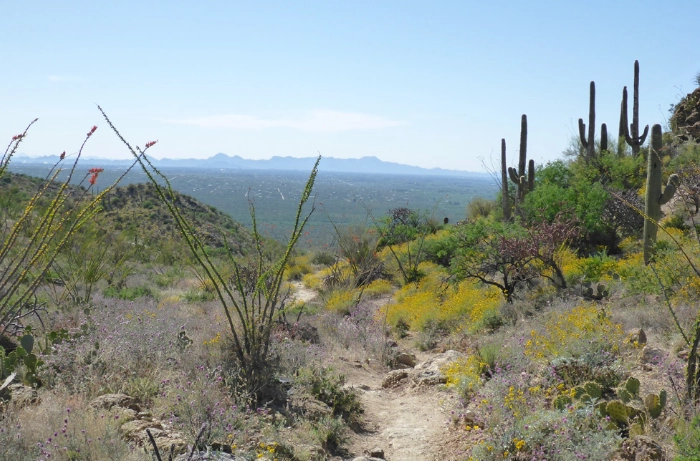
Common Questions (The Stuff You're Actually Wondering)
Is there car camping at Douglas Spring Trailhead?
No. The trailhead parking lot is for day use and overnight backpacker parking only. You cannot sleep in your car or set up a tent there. The closest real car-camping is at nearby campgrounds like Molino Basin in the Coronado National Forest, about a 30-minute drive away. If you want to car camp the night before your hike, that's your spot.
How difficult is the hike to Douglas Spring?
It's moderate to strenuous, depending on your load and fitness. The first 2.5 miles to the campground are a sustained climb. If you're not used to desert hiking with a full pack, it will kick your butt. Train with a weighted pack on hills if you can. The altitude at the trailhead is around 2,800 ft., going up to over 4,000 ft. at the campground—some people feel that.
What about wildlife? Are there bears?
Black bears are present in the Rincons, but encounters are rare. They are shy. The bigger nuisances are the "mini-bears"—raccoons, ringtails, and especially mice. They are bold and will chew through your pack in minutes for a crumb. That's why the bear canister is non-negotiable. I've had a mouse try to share my tent one night because I left an empty snack wrapper in my pocket. Lesson learned.
You might see snakes (they're more afraid of you), deer, and tons of birds. Give them space.
What's the best time of year for Douglas Spring Trailhead camping?
Fall (October-November) and Spring (March-April) are prime. Winters can be cold and snowy at higher elevations. Summer (June-Sept) is a hard no for most—extreme heat, monsoon lightning storms, and flash flood risk in washes. I wouldn't attempt it.
Can I bring my dog?
No. Pets are not allowed on trails or in the backcountry of Saguaro National Park. It's for the protection of wildlife, your pet, and other visitors.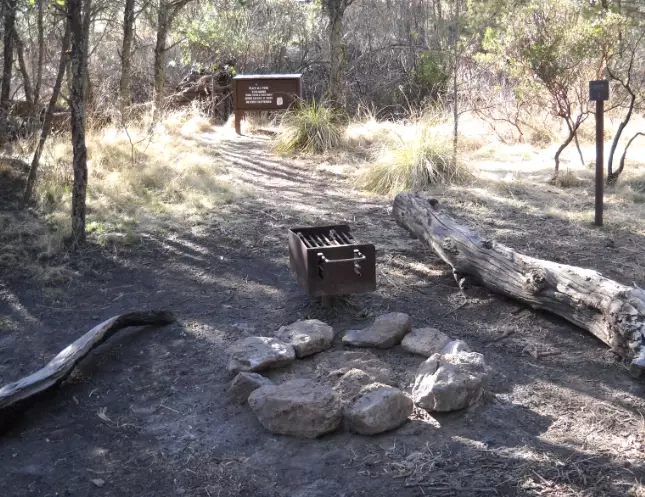
Making It a Great Trip: Final Pro-Tips
Okay, you've got the hard facts. Here's the soft stuff that turns a good trip into a great one.
- Break in Your Boots: I know I said it, but it's worth repeating. New boots + rocky trail = misery.
- Download Maps: Cell service is nonexistent for most of the trail. Use an app like Gaia GPS or AllTrails to download the area map for offline use. And have a paper map/compass as a backup. Knowing how to use them is even better.
- Tell Someone Your Plan: Leave a detailed itinerary with a friend or family member: trailhead name, your camping zone, and your expected return time. The park's own trip planning form is perfect for this.
- Embrace the Early Start: Hike in the cool morning light. Set up camp with hours of daylight to spare. It's so much more pleasant than rushing as the sun sets.
- Slow Down and Look: The desert is full of tiny details—a blooming cactus flower, intricate rock patterns, animal tracks. The goal isn't just to get to camp; it's to be there.
Douglas Spring Trailhead camping is a privilege. It's access to a rugged, beautiful, and demanding piece of the Arizona backcountry. It asks for preparation and respect in return for incredible solitude and stark beauty. Do the homework, pack smart, and leave no trace. The saguaros will thank you, and you'll have a story that's better than any postcard.
See you on the trail.
Reader Comments