Explore This Guide
- The Official Definition: What the U.S. Government Says
- The Expanded, Real-World Southwest
- Deep Dive: The Core Southwest States
- The "Partial" Southwest States
- The "Fringe" or "Desert" Southwest States
- Why Does Knowing What States Are in the Southwest Even Matter?
- Common Questions About the Southwest States
- Final Answer: What's on the List?
I grew up in Texas, and we always called ourselves part of the Southwest. Then I moved to Colorado for a while, and folks there seemed a bit more confused—are they Mountain West? Southwest? A bit of both? It turns out, the answer to "what states are in the southwest" isn't as simple as you'd think. It's not like the Midwest, where you can draw a pretty clear box. The Southwest is more of a feeling, a vibe of deserts, canyons, and a unique blend of cultures, but it's also defined by some official lines.
If you're planning a road trip, studying geography, or just curious, you've probably run into conflicting lists online. Some say four states, some say five, and others throw in parts of California and even Utah. It's enough to make your head spin. Let's clear it up. I've spent a lot of time driving through this region, from the Sonoran Desert to the high plains, and I've dug into the maps and definitions to give you the straight story.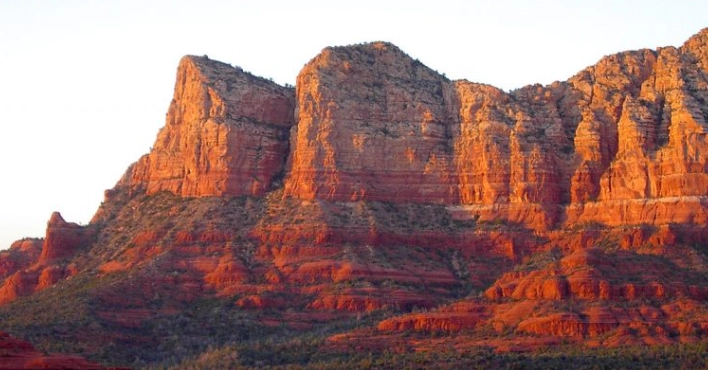
Bottom Line Up Front: Most experts agree on a "core" group of states when defining the Southwest region of the United States. But depending on who you ask—the U.S. Census Bureau, geographers, historians, or just regular people—the list can grow. The heart of it is Arizona and New Mexico. From there, it expands outwards.
The Official Definition: What the U.S. Government Says
For things like data collection and federal reporting, the government needs clear boundaries. The U.S. Census Bureau is the go-to source for this. They divide the country into regions and divisions. According to the Census Bureau, the Southwest Region consists of four states.
That's their official answer to "what states are in the southwest." It's clean, simple, and used for all sorts of economic and population statistics. You can see this classification used in countless reports on the U.S. Census Bureau website. It's the baseline.
But here's where it gets interesting, and where the government view feels a little... limited. Anyone who's been to El Paso, Texas, knows it has way more in common with New Mexico than it does with Houston. And western Oklahoma has a landscape that shouts "Southwest" more than "South." So while the Census gives us a solid starting point, the real-world Southwest is bigger.
The Expanded, Real-World Southwest
This is where cultural and geographic definitions take over. When most people picture the Southwest, they're thinking about a certain look and feel. We're talking arid and semi-arid climates, iconic landscapes like mesas and buttes, a strong Native American and Hispanic cultural influence, and a history tied to Spanish colonization and the Old West.
Using that lens, the list of states in the southwest expands. The most commonly accepted "cultural Southwest" includes parts of states that the Census leaves out. It's less about lines on a map and more about shared identity.
Fun Fact: The term "Southwest" really gained traction in the mid-1800s during the era of westward expansion and the Mexican-American War. It described the lands acquired from Mexico. That historical footprint still shapes the region's identity today.
Let's break this down into a clearer picture. I think a table helps visualize the difference between the strict government list and the common cultural understanding.
| State | In Census Southwest? | Commonly in Cultural SW? | Key Southwest Traits Present |
|---|---|---|---|
| Arizona | Yes | Yes (Core) | Desert (Sonoran, Mojave), Grand Canyon, strong Native influence (Navajo, Hopi), Spanish colonial history. |
| New Mexico | Yes | Yes (Core) | High desert, Pueblo culture, major Hispanic influence, art scenes (Santa Fe, Taos). |
| Texas | Yes* | Yes (Mostly Western/Northern parts) | Big Bend desert, Hill Country, strong Tex-Mex culture, cattle ranching history. *Only western/northern parts culturally SW. |
| Oklahoma | Yes* | Yes (Mostly Western parts) | Prairie, Dust Bowl history, significant Native American nations (Cherokee, Choctaw, etc.). *Panhandle & western parts culturally SW. |
| Nevada | No (Census West) | Yes (Southern tip) | Mojave Desert (around Las Vegas), mining history, arid landscape. |
| California | No (Census West) | Yes (Southeastern deserts) | Mojave & Colorado Deserts (Palm Springs, Death Valley), Anza-Borrego State Park. |
| Utah | No (Census West) | Debatable (Southern portion) | Colorado Plateau scenery (similar to N. AZ), "Color Country," Native sites, but distinct cultural history. |
| Colorado | No (Census West) | Debatable (Southern/Western portions) | Mesa Verde, canyons in the west, but more associated with Rocky Mountains. |
See what I mean? The simple question of what states are in the southwest gets layered fast. Texas and Oklahoma are only partially Southwestern. Nevada, California, Utah, and Colorado only have slices that fit the bill. It's messy, but it's real.
Deep Dive: The Core Southwest States
Okay, let's get to know the heart of the region. If you want to understand the Southwest, these are the non-negotiable states.
Arizona: The Desert Poster Child
For many, Arizona is the Southwest. It's got everything. The Sonoran Desert with its giant saguaro cacti is iconic. The Grand Canyon needs no introduction—it's a geologic wonder that defines the Colorado Plateau. Then you have the red rocks of Sedona, the college town vibe of Flagstaff (with actual snow!), and the sprawling metro area of Phoenix.
The cultural mix is deep. You can visit incredible Navajo Nation parks like Monument Valley or Antelope Canyon. The Heard Museum in Phoenix is a world-class institution dedicated to Native American art. And the Spanish mission history is visible in places like Tumacácori or San Xavier del Bac near Tucson. If you ask someone to picture a state in the southwest, they're probably picturing Arizona.
My Take: I love Arizona, but Phoenix in July is a special kind of hell. It's a dry heat, they say. Sure, but 115°F (46°C) is still an oven. Plan your desert hikes for sunrise, seriously.
New Mexico: The Soul of the Region
New Mexico calls itself the "Land of Enchantment," and it's not wrong. It feels different from Arizona—higher, older, with a palpable artistic and spiritual energy. Santa Fe is the oldest state capital in the U.S., with its distinctive Pueblo Revival architecture. The whole city feels like an art gallery.
The Pueblo communities here are some of the oldest continuously inhabited places in North America. Taos Pueblo is a UNESCO World Heritage Site. And the food! New Mexican cuisine is its own glorious thing, centered around Hatch green chile. It's not just a topping; it's a way of life. The vast, empty landscapes of the high desert, like the view from the top of Sandia Peak, have a quiet, powerful beauty. When you're trying to list the states in the southwest, New Mexico is the cultural anchor.
The "Partial" Southwest States
This is where the debate lives. These states have significant areas that are undeniably Southwestern, but other parts that are something else entirely.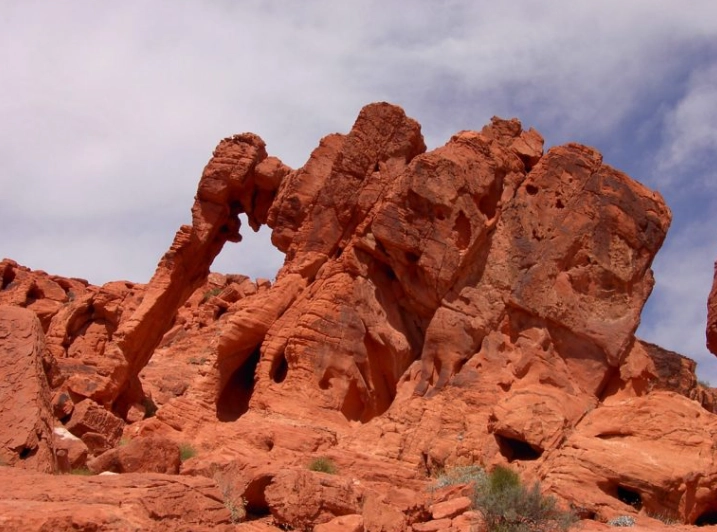
Texas: Where the South Meets the Southwest
Texas is huge, and it straddles multiple regions. East Texas is pure Deep South—pine forests and humidity. But west of I-35, the landscape dries out and the culture shifts. The Hill Country (west of Austin) with its limestone and scrub is a transition zone. Get out to Far West Texas, around El Paso, Marfa, and Big Bend National Park, and you are in the heart of the Chihuahuan Desert.
This area shares a border and a deep cultural connection with Mexico. The architecture, the food, the wide-open skies—it's classic Southwest. So, is Texas a southwestern state? Part of it absolutely is, and a big part at that. But the eastern half isn't. That's why it's always on the list, but with an asterisk.
Oklahoma: Plains with a Southwest Edge
Oklahoma surprises people. Its eastern half is green and hilly, more aligned with the South. But drive west, and the land flattens into prairies and shortgrass plains. The Oklahoma Panhandle and areas like the Wichita Mountains feel rugged and dry. The history here is profoundly tied to the Trail of Tears and the forced resettlement of dozens of Native American nations.
This connection to Native cultures (Oklahoma has the second-highest Native population percentage in the U.S.) and the western landscape of the Panhandle earn parts of Oklahoma a spot in the broader Southwest conversation. It's not the first state that comes to mind, but it belongs in the discussion when you're figuring out what states are in the southwest.
The "Fringe" or "Desert" Southwest States
These states are rarely included in the official Southwest region, but significant portions of their land have the climate, geography, and sometimes culture of the Southwest.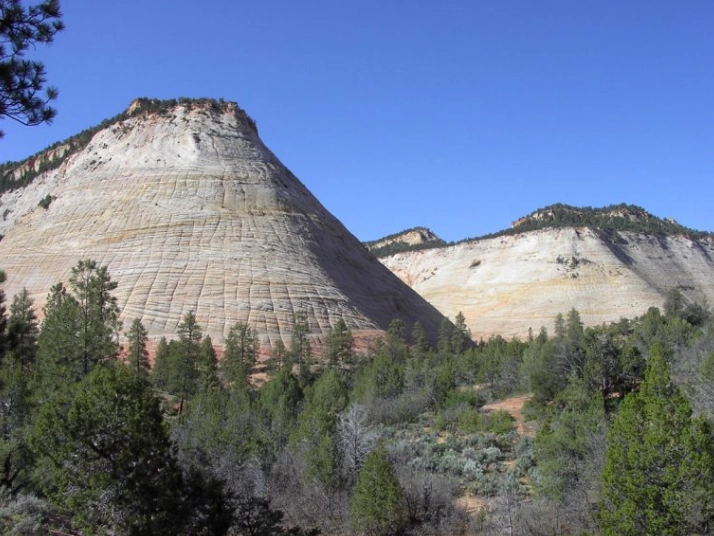
Southern Nevada & Southeastern California
Las Vegas sits in the Mojave Desert. The landscape surrounding it—barren, mountainous, and arid—is textbook Southwest. Drive from Vegas to the California border, and you're in the same ecosystem. Similarly, the southeastern chunk of California, including Death Valley, the Mojave National Preserve, and the area around Palm Springs, is pure desert. Joshua Tree National Park is a perfect example of this Mojave/Colorado desert transition zone.
While the bustling coasts of California and the gambling mecca of Vegas have their own identities, the land itself is geographically Southwestern. So when people include these states in discussions about the southwest states, they're talking about these specific desert areas.
Southern Utah & Southwestern Colorado
This is the shakiest part of the list, often called the "Four Corners" region. The scenery here is undeniably connected: the red rock canyons of southern Utah (Zion, Bryce, Arches) are part of the same Colorado Plateau as the Grand Canyon. Mesa Verde in Colorado is an Ancestral Puebloan site, sharing deep cultural roots with New Mexico.
However, the dominant culture and history in Utah (Latter-day Saint settlement) and Colorado (mining and mountain culture) are distinct from the Hispanic/Native American blend that defines the core Southwest. Geographically, they share a plate. Culturally, they're cousins, not siblings. Many travel guides and road trip itineraries lump them together because the natural attractions flow seamlessly, which is fair for a visitor.
Travel Tip: The best way to experience the Southwest is a loop road trip. You can easily start in Phoenix, hit Sedona, the Grand Canyon (AZ), swing through Monument Valley (UT), down to Mesa Verde (CO), over to Santa Fe (NM), and back through El Paso (TX). That trip shows you how these states are connected, regardless of official labels.
Why Does Knowing What States Are in the Southwest Even Matter?
You might be thinking, "This is just semantics." For planning, though, it's super practical. If you're looking for a specific type of vacation—one filled with desert hikes, Native American history, adobe architecture, and spicy cuisine—knowing the southwestern states list is your roadmap.
It matters for understanding climate and ecology. Plants and animals in the Sonoran Desert are different from those in the Mojave. It matters for history buffs tracing Spanish trails or the expansion of the United States. The National Park Service manages sites across all these states that tell this interconnected story.
And honestly, it's just interesting. The way we define regions says a lot about culture versus bureaucracy, about shared landscapes versus political borders.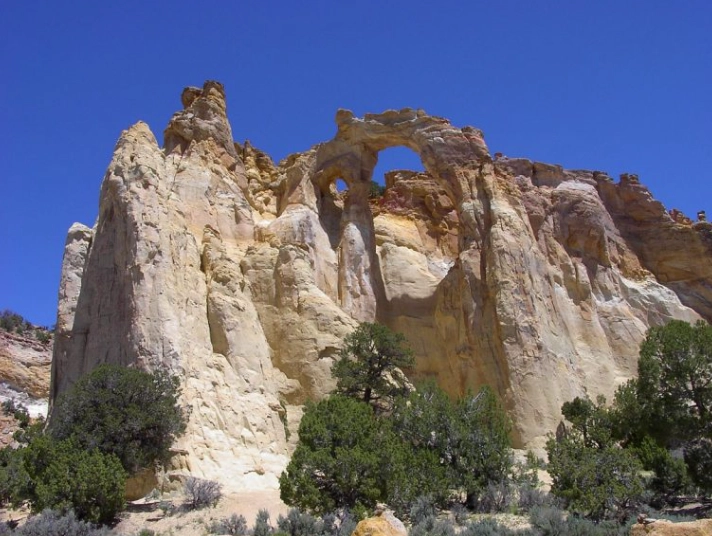
Common Questions About the Southwest States
- Grand Canyon National Park (AZ)
- Petrified Forest National Park (AZ)
- Saguaro National Park (AZ)
- Carlsbad Caverns National Park (NM)
- White Sands National Park (NM)
- Big Bend National Park (TX)
- Guadalupe Mountains National Park (TX)
- Death Valley National Park (CA)
- Joshua Tree National Park (CA)
- The "Mighty 5" in Utah (Zion, Bryce, Arches, Canyonlands, Capitol Reef) for the expanded definition.
Final Answer: What's on the List?
So, after all that, here's my take, trying to balance official definitions with how people actually use and experience the region.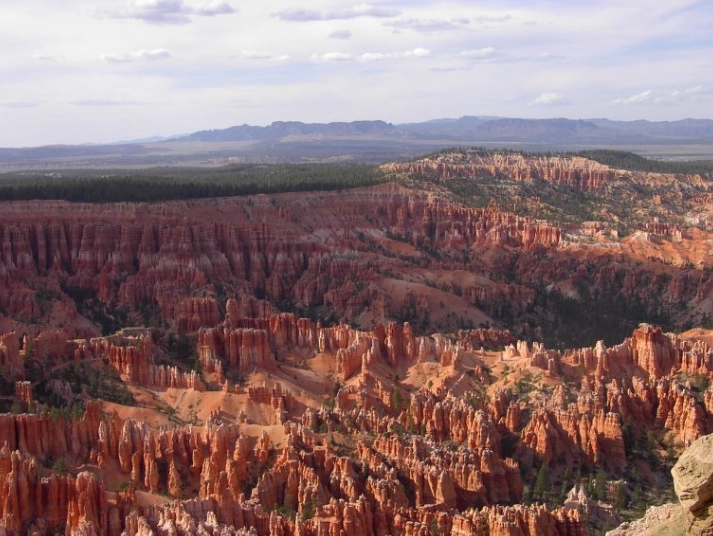
The Uncontested Core (Always included):
- Arizona
- New Mexico
The Almost-Always Included (Major portions are SW):
- Texas (Western/Northern parts)
- Oklahoma (Western part/Panhandle)
The Frequently Included for Geography/Travel (Their desert regions):
- Nevada (Southern tip)
- California (Southeastern deserts)
The "Four Corners" Associates (Often grouped in for scenic travel):
- Utah (Southern portion)
- Colorado (Southwestern corner)
That gives you a solid list of states to consider when you're exploring everything the Southwest has to offer. It's not one-size-fits-all. If you're a data scientist, you'll use the Census four. If you're planning the ultimate desert road trip, you're looking at all eight.
The beauty of the Southwest is in its diversity—within each state and across the region. From the saguaro forests of Arizona to the high art of Santa Fe, from the river canyons of Texas to the painted deserts, knowing what states are in the southwest is your first step into a vast, colorful, and deeply American landscape. Just remember your sunscreen and a lot of water.
Reader Comments